This collection of hanging indoor plants includes 48 choices that can create trailing, arching or elevated displays. It suits readers who want to use vertical space, soften a shelf edge or keep foliage away from busy surfaces. Asparagus Fern, Boston Fern, Burro's Tail and Creeping Fig are among the listed members, with care levels ranging from Easy to Intermediate. Light needs differ considerably, and an elevated pot may dry differently from one at floor level. Use the individual profiles to match each plant with the room, then make sure the hook, shelf or hanger is secure and that the container can be reached safely for watering and inspection.
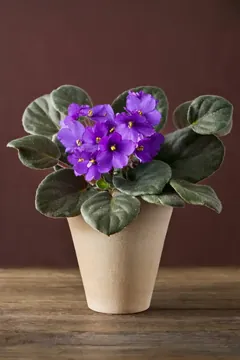
Saintpaulia ionantha
- LightAfrican Violet flowers best in bright, indirect light…
- WaterWater African Violet when the topsoil feels dry. Bottom…
- ToxicitySafe for cats & dogs
- Mature sizeA full-grown plant generally reaches 6…
African Violet is a compact perennial that forms a neat rosette of soft, velvety leaves. Colorful flowers rise above the foliage and may appear in many shades. Its small size suits shelves, desks, and bright windowsills. It can bloom for long periods when light, moisture, and temperature remain stable. Beginners can grow it, although careful watering helps prevent marked or damaged leaves.
Full care guide →
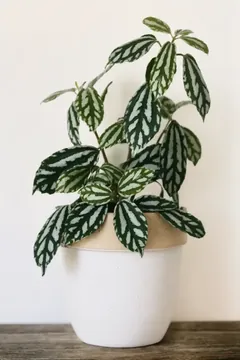
Pilea cadierei
- LightAluminum Plant prefers bright, indirect light between 150…
- WaterWater Aluminum Plant when the topsoil feels dry. Check the…
- ToxicitySafe for cats & dogs
- Mature sizeIt reaches about 1 ft / 30 cm tall and…
Aluminum Plant is a compact evergreen perennial with bushy, upright growth. Its green leaves carry bright silver markings that resemble brushed metal. Stems may spread or droop as they lengthen, making the plant useful in pots or mixed displays. It is easy to maintain under stable indoor conditions. Regular pinching keeps growth dense, while filtered light preserves the strong contrast in its patterned foliage.
Full care guide →
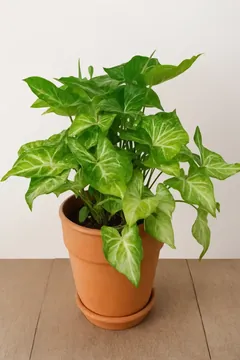
Syngonium podophyllum
- LightArrowhead Plant accepts low to medium light between 50 to…
- WaterKeep Arrowhead Plant consistently moist, but never soggy…
- ToxicityToxic to pets
- Mature sizeIt can reach 1 to 2 ft / 30 to 60 cm…
Arrowhead Plant is a tropical vine with glossy leaves that begin in a clear arrow shape. Foliage may be solid green or patterned with white, cream, or pink. Young plants stay compact, while older stems climb or trail. It is adaptable and easy to grow in lower indoor light. This plant suits shelves, hanging pots, or supports, but its toxic tissues require careful placement around pets and children.
Full care guide →
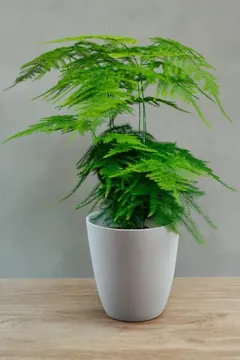
Asparagus setaceus
- LightAsparagus Fern grows best in bright, indirect light…
- WaterKeep Asparagus Fern evenly moist, but do not leave the…
- ToxicityToxic to pets
- Mature sizeDepending on support and pruning, it…
Asparagus Fern has fine, lacy foliage carried on long arching or trailing stems. Although it resembles a fern, it belongs to the asparagus family. Its airy shape works in hanging baskets, tabletop pots, or larger floor displays. It is fairly easy to grow with steady moisture and filtered light. Mature stems may become long and tangled, while dry conditions can make the delicate foliage shed.
Full care guide →
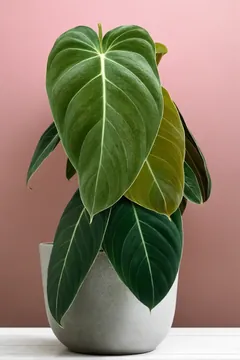
Philodendron melanochrysum
- LightBlack Gold Philodendron grows best in bright indirect light…
- WaterWater Black Gold Philodendron when the topsoil feels dry…
- ToxicityToxic to pets
- Mature sizeIts stated eventual height is 2 ft / 30…
Black Gold Philodendron is a climbing vine with large, heart-shaped leaves. The foliage has a soft velvet surface and deep green to nearly black coloring. Golden veins and highlights become more striking as leaves mature. Give the vine a support if you want larger foliage and a tidy upright shape. It suits collectors who can provide bright filtered light, warmth, humidity, and careful watering.
Full care guide →
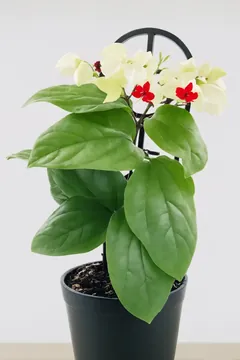
Clerodendrum thomsoniae
- LightBleeding Heart Vine performs best in bright indirect light…
- WaterKeep Bleeding Heart Vine evenly moist, but never leave its…
- ToxicityNot ASPCA-listed
- Mature sizeIts stems may reach 6 to 10 ft / 1
Bleeding Heart Vine is an evergreen climber with glossy green leaves and showy, heart-shaped flowers. Its contrasting blooms appear in clusters and stand out clearly against the foliage. Flexible stems can climb a support or be trained around a frame. This plant suits growers who want a flowering indoor vine and can provide filtered light, steady moisture, and regular shaping as the stems lengthen.
Full care guide →
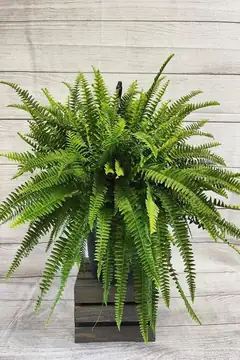
Nephrolepis exaltata
- LightBoston Fern needs bright indirect light at 150 to 250…
- WaterKeep Boston Fern soil consistently moist without leaving it…
- ToxicitySafe for cats & dogs
- Mature sizeIts fronds can stand or trail 1 to 3 ft…
Boston Fern forms a lush fountain of arching fronds covered with many fine leaflets. Mature foliage spills over the pot, making this fern useful on plant stands or in hanging planters. Its soft green texture adds volume without a rigid outline. It suits growers who enjoy full, cascading foliage and can maintain consistent moisture, filtered light, and moderate to high humidity throughout the year.
Full care guide →
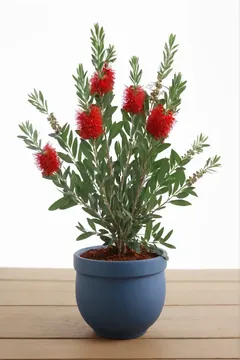
Callistemon citrinus
- LightBottle Brush Plant requires bright direct light at 250 to…
- WaterKeep Bottle Brush Plant soil consistently moist, but not…
- ToxicitySafe for cats & dogs
- Mature sizeIndoors, it may eventually reach 3 to 6…
Bottle Brush Plant is an evergreen shrub with narrow leaves that release a lemon scent. Its dense, cylindrical flower spikes resemble brushes used to clean bottles. The colorful blooms create the plant’s main display, while woody growth gives it a small-shrub form. Indoors, it suits a bright window and needs room for branching. Choose it if you can provide long periods of direct sun and regular shaping.
Full care guide →
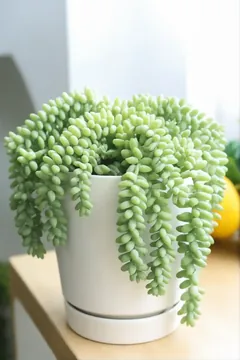
Sedum morganianum
- LightBurro's Tail prefers bright indirect light at 150 to 250…
- WaterAllow the soil to dry completely before watering Burro's…
- ToxicitySafe for cats & dogs
- Mature sizeThe plant spreads about 10 to 12 in /…
Burro's Tail is a trailing succulent with long stems packed tightly with bluish-green leaves. Each fleshy leaf has a rounded tear-drop shape and stores water for dry periods. Mature stems may carry clusters of small, star-shaped flowers. The plant looks best spilling from a hanging pot or high shelf. It suits bright rooms and infrequent watering, but the leaves detach easily when bumped or handled.
Full care guide →
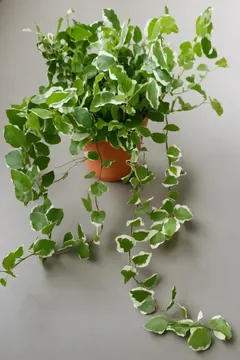
Ficus pumila
- LightCreeping Fig grows in medium to bright indirect light of…
- WaterWater Creeping Fig when the topsoil feels dry. Check before…
- ToxicityToxic to pets
- Mature sizeSupported vines can reach 10 to 15 ft /…
Creeping Fig is a vigorous vine with small, glossy green leaves and a fast growth habit. Adhesive aerial rootlets let its stems cling tightly to walls, supports, and other surfaces. Indoors, it can trail from a pot or cover a frame, but regular pruning keeps it manageable. It suits growers who want dense greenery and can guide its spreading stems.
Full care guide →
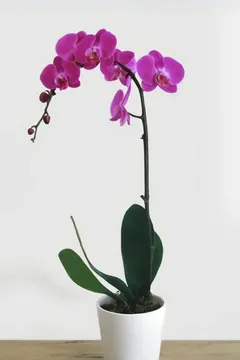
Dendrobium
- LightDendrobium Orchid prefers bright indirect light of 150 to…
- WaterWater Dendrobium Orchid when the top of the potting medium…
- ToxicitySafe for cats & dogs
- Mature sizeIt reaches 1 to 2 ft / 30 to 60 cm tall…
Dendrobium Orchid refers to a diverse group of epiphytic orchids with showy, long-lasting flowers. Blooms may be white, purple, yellow, or pink, depending on the species or cultivar. Their upright or arching canes create a strong shape even when flowers are absent. They suit growers with some experience because temperature and seasonal needs can differ across the group.
Full care guide →
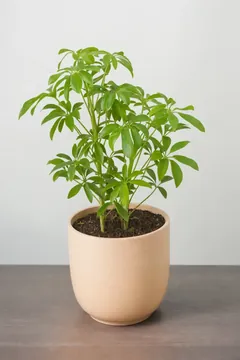
Schefflera arboricola
- LightDwarf Umbrella Tree grows best in bright indirect light at…
- WaterWater Dwarf Umbrella Tree when the topsoil feels dry. Test…
- ToxicityToxic to pets
- Mature sizeIndoors, it can grow 4 to 8 ft / 1
Dwarf Umbrella Tree is a glossy-leaved houseplant with leaflets that spread like the ribs of an umbrella. Its finger-like foliage forms a dense canopy above branching stems. It can grow as a bushy floor plant or be trained into a small tree shape. This plant suits growers who can offer bright filtered light and regular care without keeping the soil constantly wet.
Full care guide →
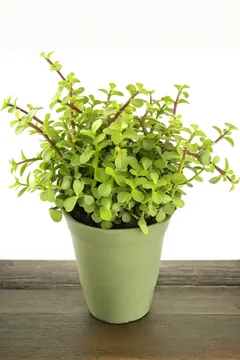
Portulacaria afra
- LightElephant Bush prefers bright indirect light at 150 to 250…
- WaterLet the soil dry completely before watering Elephant Bush…
- ToxicitySafe for cats & dogs
- Mature sizeIndoors, it may reach 2 to 4 ft / 0
Elephant Bush is a succulent shrub with small, fleshy oval leaves on reddish woody stems. Its flexible branches may trail from a basket or be pruned into a compact, tree-like form. The fine foliage also makes it useful for bonsai. It suits growers who want a forgiving plant but can still provide bright filtered light and let the soil dry fully between waterings.
Full care guide →
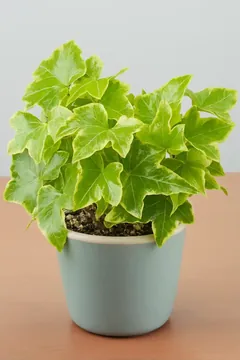
Hedera helix
- LightEnglish Ivy prefers medium to bright indirect light at 150…
- WaterWater English Ivy when the topsoil feels dry to the touch…
- ToxicityToxic to pets
- Mature sizesee care guide
English Ivy is a climbing or trailing vine with glossy, lobed leaves. Cultivars offer many leaf shapes and combinations of green, white, gray, or yellow. Its flexible stems can spill from baskets or climb a support. It suits growers who can provide cool conditions, bright filtered light, and regular pruning. Its toxic foliage makes careful placement important in homes with children or pets.
Full care guide →
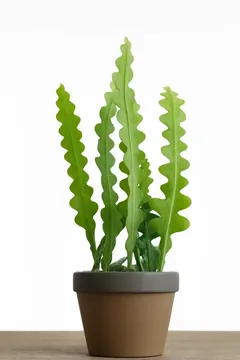
Epiphyllum anguliger
- LightFishbone Cactus prefers bright indirect light at 150 to 250…
- WaterWater Fishbone Cactus when the topsoil feels dry. Although…
- ToxicitySafe for cats & dogs
- Mature sizeIts trailing growth can reach 1 to 2 ft…
Fishbone Cactus is an epiphytic cactus with long, flattened stems that trail from its container. Deep, regular lobes give each stem the outline of a fish skeleton. Unlike desert cacti, it prefers filtered light and somewhat more moisture and humidity. Its cascading habit makes it well suited to hanging baskets, high shelves, and containers where the patterned stems can remain visible.
Full care guide →
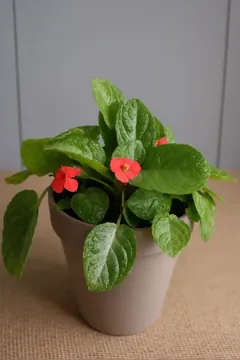
Episcia cupreata
- LightFlame Violet prefers bright indirect light at 150 to 250…
- WaterWater Flame Violet when the topsoil feels dry to the touch…
- ToxicitySafe for cats & dogs
- Mature sizeIt stays 4 to 8 in / 10 to 20 cm tall…
Flame Violet is a trailing evergreen perennial that forms rosettes of soft, velvety leaves. Its stems cascade over container edges, while bright red, funnel-shaped flowers add color. Under suitable conditions, blooming can continue throughout the year. The plant works well in hanging baskets but suits growers who can provide warm air, raised humidity, bright filtered light, and careful watering.
Full care guide →
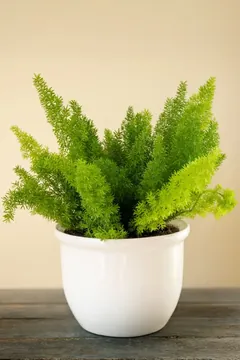
Asparagus densiflorus
- LightFoxtail Fern performs best under bright, indirect light…
- WaterWater Foxtail Fern after the topsoil feels dry. Check the…
- ToxicityToxic to pets
- Mature sizeIts eventual height is 2 to 3 ft / 60…
Foxtail Fern is an airy plant with soft, needle-like foliage arranged on plump, upright stems. Each stem resembles a fluffy fox tail, creating a fine texture without the look of a typical broad-leaf houseplant. Despite its common name, it is an asparagus relative rather than a true fern. It suits growers who can provide filtered light, regular watering and room for a rounded mature clump.
Full care guide →
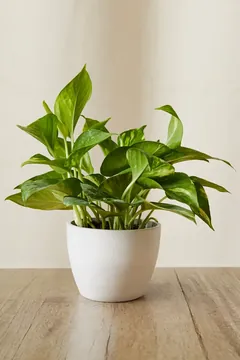
Epipremnum aureum
- LightGolden Pothos prefers bright, indirect light between 150…
- WaterLet Golden Pothos become almost dry before watering. Test…
- ToxicityToxic to pets
- Mature sizeIts eventual spread is 2 to 3 ft / 0
Golden Pothos is a flexible climbing or trailing houseplant with glossy, heart-shaped foliage. Its green leaves are usually streaked or splashed with yellow and cream. The vines can hang from a shelf or climb a support, making the plant useful in many room layouts. It tolerates some missed care, but brighter filtered light keeps growth fuller and preserves the colorful leaf pattern.
Full care guide →
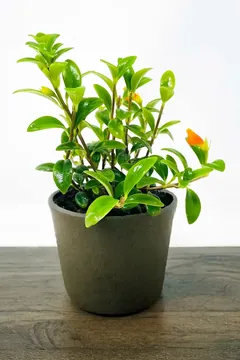
Nematanthus gregarius
- LightGoldfish Plant flowers best in bright, indirect light at…
- WaterKeep Goldfish Plant soil consistently moist but never…
- ToxicitySafe for cats & dogs
- Mature sizeIts trailing stems can reach 2 to 3 ft…
Goldfish Plant is a trailing houseplant with glossy green leaves and bright tubular flowers. Its orange or yellow blooms resemble small goldfish along the stems. The hanging habit works well on a shelf or in a suspended pot. This plant suits growers who can provide bright filtered light, steady moisture and moderate humidity without allowing the roots to remain soggy.
Full care guide →
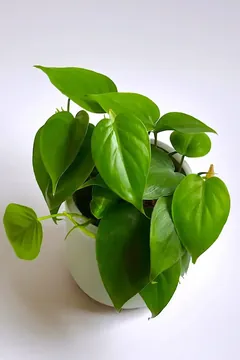
Philodendron hederaceum
- LightHeartleaf Philodendron prefers medium to bright indirect…
- WaterWater Heartleaf Philodendron when the topsoil feels dry…
- ToxicityToxic to pets
- Mature sizesee care guide
Heartleaf Philodendron is an evergreen tropical vine with glossy, heart-shaped leaves in several shades of green. Its flexible stems can trail from a shelf or climb a support. The plant adapts well to ordinary indoor rooms and responds to basic pruning. It suits beginners who want easy foliage, provided the roots receive drainage and the leaves are protected from harsh direct sun.
Full care guide →
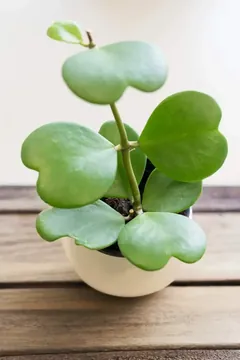
Hoya kerrii
- LightHoya Hearts prefers bright, indirect light at 150 to 250…
- WaterAllow Hoya Hearts soil to dry completely before watering…
- ToxicitySafe for cats & dogs
- Mature sizeMature vines can reach 6 to 10 ft / 1
Hoya Hearts is a succulent vine with thick leaves shaped like hearts. Mature plants carry the leaves along climbing or trailing stems, while single-leaf cuttings are also commonly seen. The waxy foliage stores moisture and remains attractive between growth periods. This hoya suits a bright room and a patient grower, since it develops slowly and needs its potting mix to dry fully.
Full care guide →
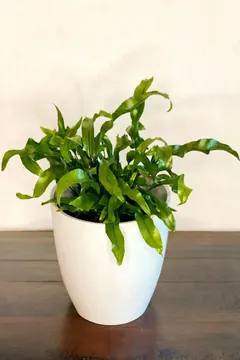
Zealandia pustulata
- LightKangaroo Paw Fern prefers bright, indirect light at 150 to…
- WaterWater Kangaroo Paw Fern when the surface of the potting mix…
- ToxicityNot ASPCA-listed
- Mature sizeIt eventually stands 1 to 2 ft / 30 to…
Kangaroo Paw Fern is a creeping or climbing fern with glossy, dark green leaves divided into single lobes. Its black rhizomes carry brown hairs, giving them a paw-like look. The spreading habit works well in a broad pot or raised display. It is an easy foliage plant for growers who can provide indirect light and regular moisture without leaving the roots waterlogged.
Full care guide →
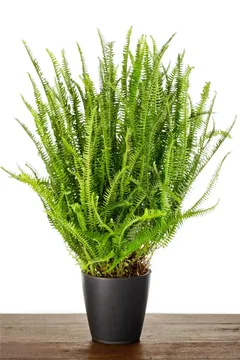
Nephrolepis obliterata
- LightKimberly Queen Fern performs best in bright, indirect light…
- WaterKeep Kimberly Queen Fern evenly moist, but never leave the…
- ToxicityNot ASPCA-listed
- Mature sizeIt can become 2 to 4 ft / 60 to 120 cm…
Kimberly Queen Fern is an evergreen fern with large, sword-shaped fronds that arch from a dense center. Its growth stays more upright and bushy than that of many trailing ferns. The rich foliage can fill a floor pot or plant stand without sprawling immediately. It suits an easy to intermediate grower who can maintain steady moisture, indirect light, and humid air.
Full care guide →
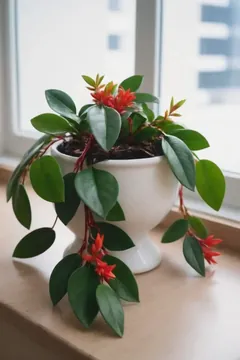
Aeschynanthus pulcher
- LightLipstick Plant performs best in bright, indirect light…
- WaterKeep Lipstick Plant soil consistently moist without leaving…
- ToxicityNot ASPCA-listed
- Mature sizeIts trailing growth can reach 2 to 3 ft…
Lipstick Plant is an evergreen perennial with glossy green leaves carried along trailing stems. Bright red tubular blooms emerge with the look of lipstick rising from a tube. The cascading growth works well in a hanging pot or raised position. It suits an easy to intermediate grower who wants flowering foliage and can supply indirect light, steady moisture, and moderate humidity.
Full care guide →
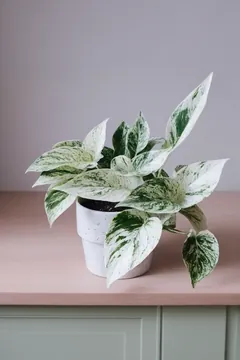
Epipremnum aureum
- LightMarble Queen Pothos needs medium to bright indirect light…
- WaterWater Marble Queen Pothos after the topsoil becomes dry to…
- ToxicityToxic to pets
- Mature sizeIts eventual spread is 2 to 3 ft / 0
Marble Queen Pothos is a trailing or climbing houseplant with heart-shaped foliage. Each leaf carries a different blend of green and creamy white marbling. Its long vines suit hanging baskets, shelves, or a climbing support. It tolerates normal indoor conditions, though the pale areas need useful light. Choose it for bold variegation and flexible growth, but keep it away from children and pets.
Full care guide →
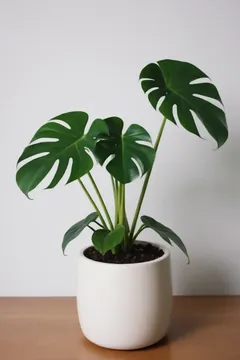
Rhaphidophora tetrasperma
- LightMini Monstera prefers bright, indirect light measuring 150…
- WaterWater Mini Monstera when the topsoil feels dry. Check the…
- ToxicityToxic to pets
- Mature sizeSupported vines can grow 6 to 10 ft / 1
Mini Monstera is a fast-climbing tropical vine with glossy green leaves and deep natural splits. Its foliage resembles a smaller Monstera deliciosa, though the plants are not the same species. The vine benefits from a pole, trellis, or other vertical support. It suits growers who want a dramatic climber without the huge leaves of a mature Swiss Cheese Plant, but its sap and foliage are toxic.
Full care guide →
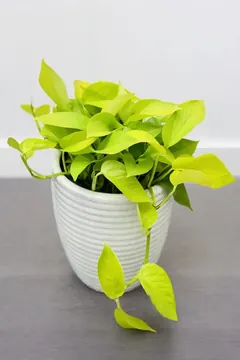
Epipremnum aureum
- LightNeon Pothos prefers bright, indirect light but tolerates…
- WaterLet Neon Pothos become almost dry before watering again…
- ToxicityToxic to pets
- Mature size4 m, with an eventual spread of 3 to 6…
Neon Pothos is a trailing or climbing vine grown for its vivid neon-green leaves. Its bright foliage adds color without flowers and looks striking in hanging baskets or on a support. The plant tolerates lower light, though useful indirect light keeps growth fuller and the color stronger. It suits many indoor spaces, but regular soil checks are important because prolonged wetness can damage its roots.
Full care guide →
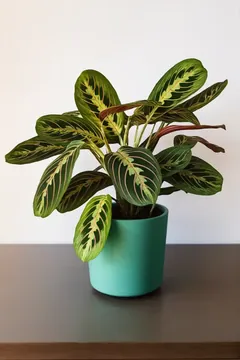
Maranta leuconeura
- LightPrayer Plant thrives in bright, indirect light from 150 to…
- WaterWater Prayer Plant when the topsoil feels dry. Check before…
- ToxicitySafe for cats & dogs
- Mature sizeIts height is usually 12 to 18 inches /…
Prayer Plant is a tropical foliage plant with bold patterns across low, spreading leaves. The leaves lift and fold upward at night, creating the effect of praying hands. Its changing posture and colorful markings make it appealing on shelves or in hanging displays. It suits growers who can supply warm temperatures, filtered light, regular moisture, and moderate humidity without leaving the roots waterlogged.
Full care guide →
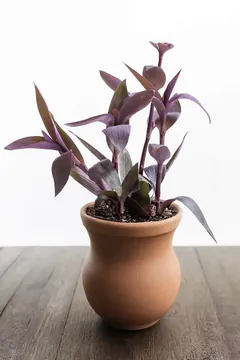
Tradescantia pallida
- LightPurple Heart Plant needs bright, direct light from 250 to…
- WaterWater Purple Heart Plant when the topsoil feels dry. Check…
- ToxicityToxic to pets
- Mature sizeIt grows 1 to 2 ft / 30 to 60 cm tall…
Purple Heart Plant is a trailing evergreen with narrow, boat-shaped leaves in a rich purple shade. Its stems spread readily, creating a dense cascade in pots or hanging containers. Strong light helps maintain the deepest foliage color. It suits growers seeking a fast-growing vine, but its toxic and irritating plant material makes placement important around pets and children.
Full care guide →
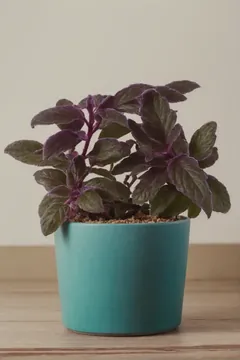
Gynura aurantiaca
- LightPurple Passion Plant develops strong color in bright…
- WaterWater Purple Passion Plant when the top third of the soil…
- ToxicitySafe for cats & dogs
- Mature sizeIt reaches 1 to 2 ft / 30 to 60 cm tall…
Purple Passion Plant is a fast-growing houseplant with velvety foliage covered in deep purple hairs. Green undersides add contrast when the leaves turn or trail over a pot. Its spreading habit works especially well in hanging baskets. It suits growers who want bold color and can provide bright filtered light, careful watering, and regular feeding during the main growing season.
Full care guide →
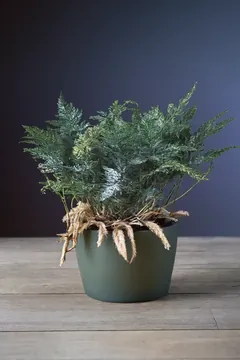
Davallia fejeensis
- LightRabbit’s Foot Fern prefers low to medium indirect light at…
- WaterKeep Rabbit’s Foot Fern evenly moist, but never leave its…
- ToxicitySafe for cats & dogs
- Mature size5 to 3 ft / 0
Rabbit’s Foot Fern is an evergreen fern grown for two distinct features. Its fine green fronds create a soft, lacy canopy. Fuzzy brown rhizomes creep across the pot and resemble small animal feet. It suits shelves, hanging pots, and shaded rooms. This easy fern is a good choice for growers who can provide steady moisture without leaving the soil waterlogged.
Full care guide →
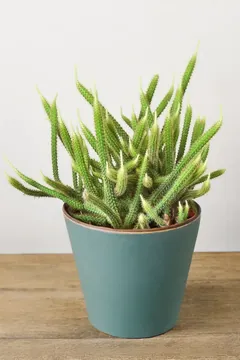
Aporocactus flagelliformis
- LightRattail Cactus needs bright direct light at 250 to 1000…
- WaterLet the potting mix dry completely before watering Rattail…
- ToxicitySafe for cats & dogs
- Mature sizeIts hanging stems can reach an eventual…
Rattail Cactus forms slender, whip-like stems that trail over the edge of a pot or hanging basket. Short spines cover each long green stem. In spring and summer, established plants can produce vivid pink or red tubular flowers. It suits sunny indoor spaces and growers who prefer a drought-tolerant plant. Its hanging stems need room to extend without being handled often.
Full care guide →
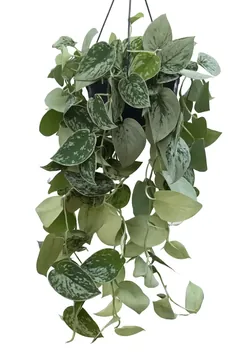
Scindapsus pictus
- LightSatin Pothos grows best in bright indirect light at 150 to…
- WaterWater Satin Pothos when the topsoil feels dry. Check below…
- ToxicityToxic to pets
- Mature sizeIts climbing or trailing stems can…
Satin Pothos is a trailing vine with soft-looking, heart-shaped leaves. The dark green foliage has a velvety surface and silvery-grey splashes that catch the light. Stems can trail from a shelf or hanging planter, or climb a support. It is easy to grow when drainage is good. This plant suits beginners seeking patterned foliage, but it must be kept away from children and pets because it is toxic.
Full care guide →
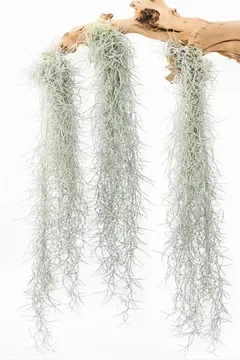
Tillandsia usneoides
- LightSpanish Moss prefers bright indirect light at 150 to 250…
- WaterSoak the entire Spanish Moss plant in rainwater for 20 to…
- ToxicitySafe for cats & dogs
- Mature sizeA hanging mass may spread about 12 to…
Spanish Moss is an epiphytic air plant with long, cascading strands of silvery-green foliage. It grows without soil and takes moisture from the air and regular soaking. Although often seen hanging from trees in tropical and subtropical areas, it is non-parasitic and does not feed on its support. Indoors, it suits hanging displays where air can move freely through the strands and excess water can drain away.
Full care guide →
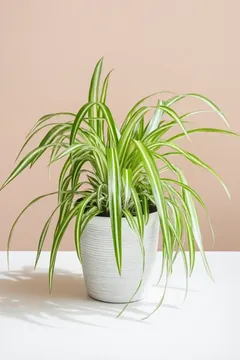
Chlorophytum comosum
- LightSpider Plant prefers bright indirect light but tolerates…
- WaterKeep Spider Plant consistently moist, but never leave the…
- ToxicitySafe for cats & dogs
- Mature sizeThe central foliage reaches about 1 to…
Spider Plant forms a fountain of narrow, arching leaves that are often striped with white. Mature plants send out long stems bearing small white flowers and young plantlets called spiderettes. These offsets make the plant especially useful in hanging baskets or on high shelves. It tolerates a range of indoor light and is easy to propagate, making it a practical choice for beginners and busy growers.
Full care guide →
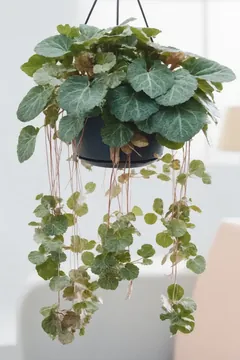
Saxifraga stolonifera
- LightStrawberry Begonia prefers bright indirect light at 150 to…
- WaterWater Strawberry Begonia when the top third of its soil has…
- ToxicitySafe for cats & dogs
- Mature sizeIts low foliage reaches 3 to 9 in / 7
Strawberry Begonia forms low rosettes of rounded, hairy leaves. The upper surfaces are dark green with silver markings, while the undersides are reddish. Slender stems carry tiny white, star-shaped flowers in summer. The plant also produces trailing growth that works well near a pot edge. Despite its common name, it is not a true begonia. It suits growers who can balance filtered light with moderate, even moisture.
Full care guide →
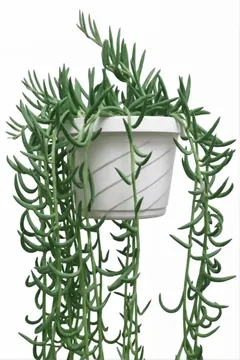
Senecio radicans
- LightString of Bananas needs bright indirect light at 150 to 250…
- WaterAllow the potting mix to dry completely before watering…
- ToxicityToxic to pets
- Mature sizeIts stems reach 1 to 2 ft / 30 to 60 cm…
String of Bananas is a trailing succulent with glossy leaves shaped like tiny bananas. Its long tendrils cascade over shelves and hanging planters, creating a dense curtain of green growth. Small white or light pink flowers may appear in spring. The plant suits bright rooms and growers who prefer the soil to dry fully between waterings. Its toxicity requires placement beyond the reach of children and pets.
Full care guide →
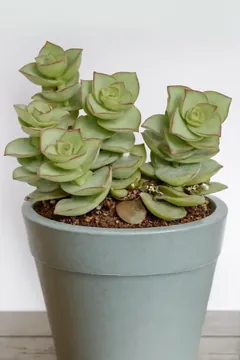
Crassula perforata
- LightString of Buttons prefers bright indirect light but…
- WaterAllow the soil to dry completely before watering String of…
- ToxicityToxic to pets
- Mature sizeIts stems can create an eventual height…
String of Buttons is a trailing succulent with plump blue-green leaves arranged closely along cascading stems. The small, rounded leaves resemble stacked buttons and create a geometric texture. It works well in hanging containers or near a shelf edge where the stems can spread. This easy plant suits growers who can offer filtered light and let the soil dry completely. Its toxicity makes careful indoor placement necessary.
Full care guide →
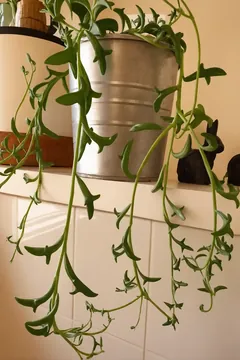
Senecio peregrinus
- LightString of Dolphins requires bright direct light at 250 to…
- WaterAllow the potting mix to dry completely before watering…
- ToxicityToxic to pets
- Mature sizeIts trailing growth reaches an eventual…
String of Dolphins is a trailing succulent known for leaves shaped like leaping dolphins. The unusual leaves line long, hanging tendrils that show best from a shelf or suspended planter. Its sculptural form remains compact at the crown while the stems extend downward. This easy plant suits very bright indoor spaces and growers who prefer infrequent watering. Keep it away from children and pets because the foliage is toxic.
Full care guide →

Ceropegia woodii
- LightString of Hearts grows best in bright, indirect light…
- WaterLet the potting mix dry completely before watering String…
- ToxicitySafe for cats & dogs
- Mature sizeIts trailing stems eventually measure 1…
String of Hearts is a trailing succulent grown for its long, cascading stems. Each stem carries plump, heart-shaped leaves with green upper surfaces. Pinkish-purple coloring appears beneath the leaves and along the stems. Its flowing habit suits hanging baskets, tall shelves, and plant stands. This easy-care choice works well for anyone who can provide bright filtered light and let the soil dry fully between waterings.
Full care guide →
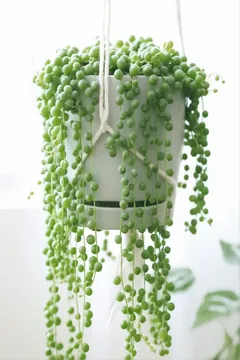
Senecio rowleyanus
- LightString of Pearls prefers bright, indirect light at 150 to…
- WaterWait until the soil has dried completely before watering…
- ToxicityToxic to pets
- Mature sizeThe plant eventually spreads about 1 to…
String of Pearls is a trailing succulent with long stems covered in rounded, pearl-like leaves. The bead-shaped foliage stores water and gives the plant its unusual texture. It looks best spilling from a hanging basket or raised shelf. This easy-care houseplant suits growers who have bright filtered light and can resist watering too often. Its delicate stems need gentle handling during watering and repotting.
Full care guide →
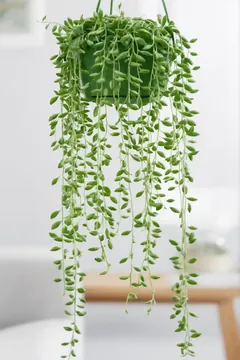
Senecio herreianus
- LightGive String of Tears bright, indirect light in the 150 to…
- WaterAllow the entire potting mix to dry before watering String…
- ToxicitySafe for cats & dogs
- Mature sizesee care guide
String of Tears is a trailing succulent known for fleshy, tear-shaped leaves arranged along slender stems. Its cascading form works well in hanging baskets and on shelves where the growth can fall freely. The leaves store moisture, making this an easy plant for careful waterers. It is a practical choice for smaller indoor spaces with bright filtered light, though the fragile stems should be handled gently.
Full care guide →
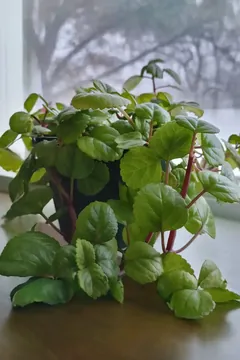
Plectranthus australis
- LightSwedish Ivy performs best in bright, indirect light of 150…
- WaterLet the soil become almost dry before watering Swedish Ivy…
- ToxicitySafe for cats & dogs
- Mature sizeIts eventual height is 2 to 3 ft / 60…
Swedish Ivy is a trailing evergreen perennial with glossy green foliage and softly scalloped edges. Flexible stems spread outward and spill over container rims, making it useful for hanging baskets and high shelves. Small purple flowers may appear during fall. This easy houseplant offers quick visual coverage without needing complex care. It suits growers who can provide bright filtered light and allow the soil to become nearly dry.
Full care guide →
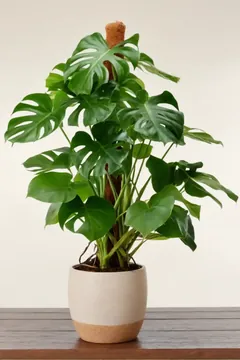
Monstera deliciosa
- LightSwiss Cheese Plant prefers bright, indirect light between…
- WaterWater Swiss Cheese Plant after the topsoil becomes dry to…
- ToxicityToxic to pets
- Mature sizeIndoors, it can reach 6 to 8 ft / 1
Swiss Cheese Plant is a tropical climbing vine with large, glossy green leaves. As the foliage matures, it forms deep splits and internal holes called fenestrations. A support allows the stems to climb and display larger leaves. This easy houseplant creates a bold indoor feature, but its eventual size needs planning. It suits a bright room where there is enough floor space and vertical support for mature growth.
Full care guide →
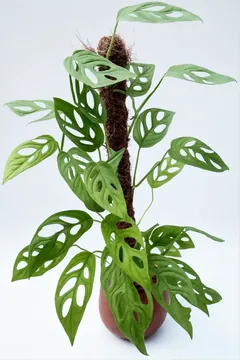
Monstera adansonii
- LightSwiss Cheese Vine grows well under bright, indirect light…
- WaterWater Swiss Cheese Vine when the topsoil feels dry. Check…
- ToxicityToxic to pets
- Mature sizeDepending on its support, it can grow 3…
Swiss Cheese Vine is a tropical climber with green leaves pierced by natural holes. These fenestrations give the foliage its familiar Swiss cheese appearance. The ‘Narrow Form’ has smooth, elongated leaves and a lighter visual texture. Stems can climb a support or trail from a hanging container. This easy houseplant suits smaller rooms better than larger Monsteras, though it still needs bright filtered light and regular pruning or guidance.
Full care guide →
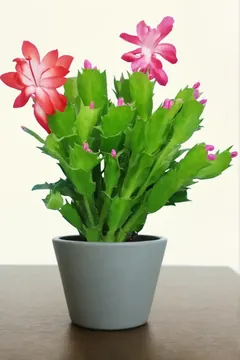
Schlumbergera truncata
- LightThanksgiving Cactus prefers bright, indirect light of 150…
- WaterWater Thanksgiving Cactus when the topsoil feels dry…
- ToxicitySafe for cats & dogs
- Mature sizeIts eventual height is 6 to 12 in / 15…
Thanksgiving Cactus is a tropical cactus grown for colorful tubular flowers that open around Thanksgiving. Instead of desert spines and rounded stems, it forms flat, linked segments with pointed edges that resemble crab claws. Its arching growth works well in pots and hanging containers. This easy houseplant offers seasonal flowers without needing desert-dry treatment. It prefers filtered light, regular drainage, and less water during slower winter growth.
Full care guide →
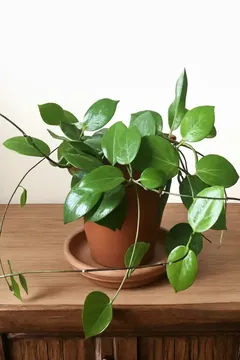
Hoya carnosa
- LightWax Plant prefers bright, indirect light from 150 to 250…
- WaterWater Wax Plant when the topsoil feels dry. Its thick…
- ToxicitySafe for cats & dogs
- Mature sizeIts eventual height is listed as 1 to 2…
Wax Plant is a climbing or trailing vine with thick, glossy leaves that have a polished look. Mature plants can form rounded clusters of sweet-smelling, star-shaped flowers. The flexible stems may be trained on a support or allowed to trail. This easy houseplant appeals to growers who want lasting foliage with the chance of fragrant blooms. It performs best with bright filtered light and careful, moderate watering.
Full care guide →
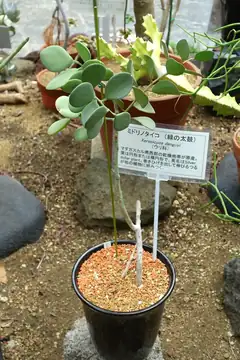
Xerosicyos danguyi
- LightVery bright light with at least four hours of direct sun at…
- WaterSoak the pot until water runs from the drainage holes, then…
- ToxicityNot ASPCA-listed
- Mature sizeStems can reach 5 m (16 ft) in habitat…
Silver Dollar Vine is a climbing succulent with flat, round, silver-green leaves about the size of a coin, spaced along thin grey stems. It comes from dry parts of Madagascar and is grown indoors for the coin-shaped foliage and its habit of trailing from a shelf or climbing a frame.
Full care guide →
Common questions
Where should I hang an indoor plant?
Choose a secure position that receives the species’ required light and allows safe access for watering. Keep trailing growth clear of heaters, draughts and busy walkways.
Do hanging plants dry out faster?
They can dry differently because warmer air and greater exposure may affect the pot. Check the mix rather than assuming the same schedule as nearby floor plants.
Which listed hanging plants have an Easy care level?
Aluminum Plant, Arrowhead Plant and Burro's Tail are among the listed choices marked Easy.