This indoor plant soil guide explains how potting mix structure, drainage, moisture retention and aeration affect roots grown in containers. It covers how to recognise a mix that stays too wet, becomes compacted or dries at the wrong rate, as well as how amendments can change those properties. Use the overview to understand the principles, then open the associated plant pages for species-specific care. A mix suitable for a moisture-loving plant may be unsuitable for a succulent or carnivorous plant, so avoid treating one recipe as universal. The linked profiles help you connect soil choices with each plant’s watering, light and care requirements before repotting.
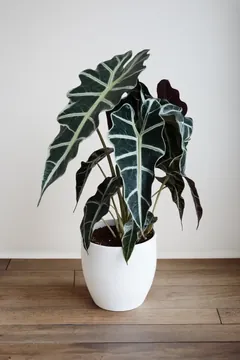
LightAfrican Mask Plant grows best in bright, indirect light…
WaterKeep African Mask Plant evenly moist, but never leave the…
ToxicityToxic to pets
Mature sizeIndoors, it can grow 2 to 3 ft / 60 to…
African Mask Plant is a bold tropical foliage plant with broad, glossy, arrow-shaped leaves. Deep green surfaces highlight strong silver-white veins. Its upright form brings structure and contrast to an indoor collection. It suits growers who can provide steady moisture, warmth, humidity, and filtered light. Care is more demanding than for many common houseplants, especially during winter dormancy.
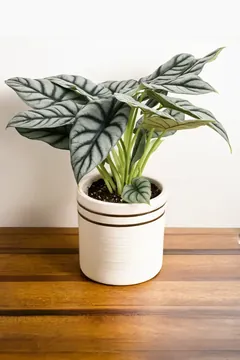
WaterWater Alocasia Silver Dragon when the topsoil feels dry…
ToxicityToxic to pets
Mature sizesee care guide
Alocasia Silver Dragon is grown for thick, heart-shaped leaves with a metallic silvery-green surface. Dark green veins form a raised pattern across each blade. Its compact, sculptural foliage stands out on a table or plant shelf. This Alocasia suits experienced growers who can maintain warmth, high humidity, filtered light, and careful watering. Sudden changes in moisture or temperature may quickly affect its leaves.
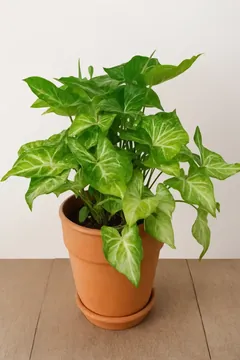
LightArrowhead Plant accepts low to medium light between 50 to…
WaterKeep Arrowhead Plant consistently moist, but never soggy…
ToxicityToxic to pets
Mature sizeIt can reach 1 to 2 ft / 30 to 60 cm…
Arrowhead Plant is a tropical vine with glossy leaves that begin in a clear arrow shape. Foliage may be solid green or patterned with white, cream, or pink. Young plants stay compact, while older stems climb or trail. It is adaptable and easy to grow in lower indoor light. This plant suits shelves, hanging pots, or supports, but its toxic tissues require careful placement around pets and children.
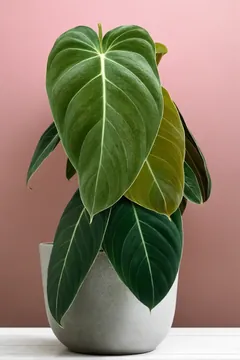
LightBlack Gold Philodendron grows best in bright indirect light…
WaterWater Black Gold Philodendron when the topsoil feels dry…
ToxicityToxic to pets
Mature sizeIts stated eventual height is 2 ft / 30…
Black Gold Philodendron is a climbing vine with large, heart-shaped leaves. The foliage has a soft velvet surface and deep green to nearly black coloring. Golden veins and highlights become more striking as leaves mature. Give the vine a support if you want larger foliage and a tidy upright shape. It suits collectors who can provide bright filtered light, warmth, humidity, and careful watering.
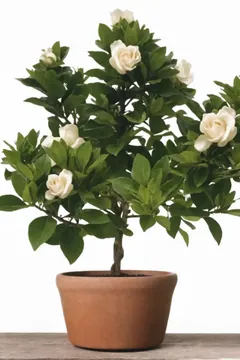
LightCape Jasmine needs bright indirect light at 150 to 250…
WaterKeep Cape Jasmine soil consistently moist, but not soggy…
ToxicityToxic to pets
Mature sizeIndoors, it may eventually reach 3 to 6…
Cape Jasmine is a compact, bushy evergreen shrub with glossy green leaves. Its fragrant white flowers provide the main attraction and stand out against the dark foliage. The plant can become a refined indoor specimen when its light, moisture, acidity, warmth, and humidity remain stable. It suits experienced growers who enjoy fragrant blooms and do not mind monitoring conditions closely. Sudden environmental changes can affect buds and leaves.
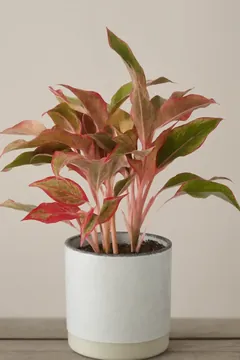
LightChinese Evergreen grows in low to medium indirect light of…
WaterWater Chinese Evergreen after the topsoil feels dry. Check…
ToxicityToxic to pets
Mature sizeIt reaches about 12 to 18 in / 30 to 45…
Chinese Evergreen is a slow-growing, clump-forming houseplant valued for its lush patterned foliage. Depending on the cultivar, its leaves may show green, cream, silver, pink, or red markings. Its compact shape works well on desks, shelves, and shaded room corners. It tolerates lower light than many colorful plants, making it suitable for beginners who can avoid overwatering.
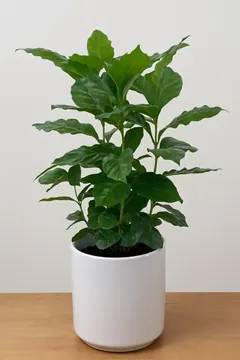
LightCoffee Plant needs bright indirect light of 150 to 250…
WaterKeep Coffee Plant soil consistently moist but not soggy…
ToxicityToxic to pets
Mature sizeIt can grow 3 to 6 ft / 1 to 2 m tall…
Coffee Plant is an evergreen shrub with glossy green leaves and a neat, upright form. Mature specimens may produce fragrant white flowers followed by red fruits called coffee cherries. It brings rich foliage and an unusual crop plant story indoors. Care is moderately demanding because the roots need steady moisture, while the leaves prefer bright filtered light and higher humidity.
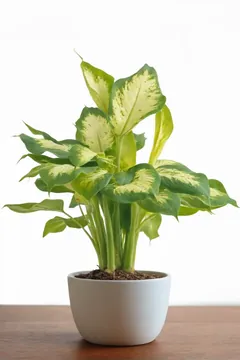
LightDumb Cane prefers bright indirect light at 150 to 250…
WaterWater Dumb Cane once the topsoil feels dry. Check the…
ToxicityToxic to pets
Mature sizeIts eventual height is 3 to 6 ft / 0
Dumb Cane is a tropical perennial valued for its broad, patterned foliage. Depending on the selection, its leaves combine green with cream or white. The bold markings brighten rooms without requiring direct sun. It develops an upright, leafy form that can become a sizable floor plant. Grow it only where its toxic foliage will remain safely beyond the reach of children and pets.
LightDwarf Elephant Ear prefers bright indirect light at 150 to…
WaterWater Dwarf Elephant Ear when the topsoil becomes dry to…
ToxicityToxic to pets
Mature sizeIt can eventually reach 3 to 4 ft / 90…
Dwarf Elephant Ear is an evergreen perennial with broad leaves shaped like elephant ears. Each leaf rises on a green petiole, creating a full tropical clump. Its smaller scale makes it easier to place indoors than many large Alocasias. It suits attentive growers who can maintain warm conditions, high humidity, bright filtered light, and evenly managed soil moisture.
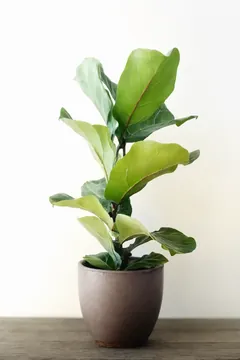
LightFiddle Leaf Fig needs bright indirect light at 150 to 250…
WaterDuring active growth, water Fiddle Leaf Fig when the top…
ToxicityToxic to pets
Mature sizeIndoors, it can grow 6 to 10 ft / 1
Fiddle Leaf Fig is an upright, single-stemmed indoor tree with large, glossy leaves. Their broad shape narrows through the middle, resembling a fiddle. Deep green foliage and a strong vertical form make it a dramatic floor plant. It suits experienced growers who can provide consistent light, careful watering, stable warmth, and enough room for its broad canopy.
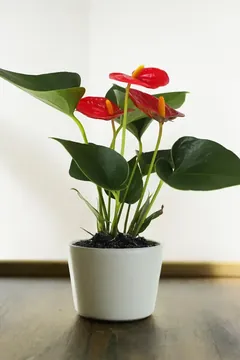
LightFlamingo Flower prefers bright, indirect light at 150 to…
WaterWater Flamingo Flower once the topsoil feels dry. Test the…
ToxicityToxic to pets
Mature sizeIndoors, its eventual height is 1 to 2…
Flamingo Flower is an upright tropical plant that naturally grows as an epiphyte. It has broad, glossy leaves with a clear heart shape. Colorful spathes rise above the foliage and provide its main indoor display. This plant suits someone who can offer bright filtered light, an airy root mix and steady moisture without leaving the roots waterlogged.
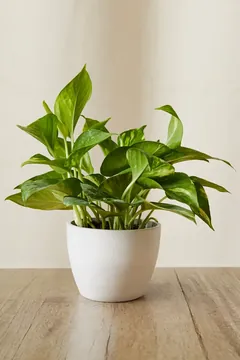
LightGolden Pothos prefers bright, indirect light between 150…
WaterLet Golden Pothos become almost dry before watering. Test…
ToxicityToxic to pets
Mature sizeIts eventual spread is 2 to 3 ft / 0
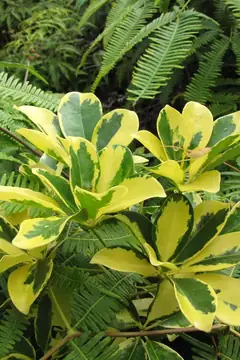
Golden Pothos is a flexible climbing or trailing houseplant with glossy, heart-shaped foliage. Its green leaves are usually streaked or splashed with yellow and cream. The vines can hang from a shelf or climb a support, making the plant useful in many room layouts. It tolerates some missed care, but brighter filtered light keeps growth fuller and preserves the colorful leaf pattern.
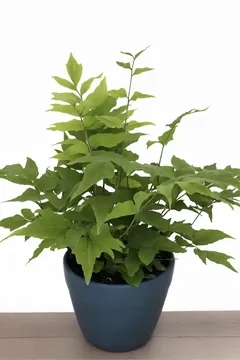
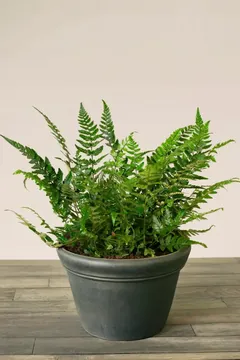
LightHolly Fern prefers bright, indirect light between 150 and…
WaterWater Holly Fern when the topsoil feels dry. Check the…
ToxicitySafe for cats & dogs
Mature sizeIts eventual height is 1 to 2 ft / 30…
Holly Fern forms a sturdy crown of large, glossy fronds. Each frond carries broad leaflets that resemble holly leaves, giving this fern a bolder texture than fine, feathery species. New growth rises from the center and gradually creates a wide clump. It suits an indoor gardener seeking a structured fern that can handle average room humidity with consistent care.
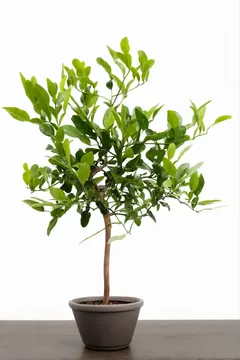
LightKaffir Lime grows best in bright, indirect light measuring…
WaterWater Kaffir Lime after the topsoil becomes dry to the…
ToxicityNot ASPCA-listed
Mature size5 m, with a spread of 3 to 4 ft / 0
Kaffir Lime is an evergreen citrus shrub grown indoors for its glossy, double leaves and strong citrus scent. Small, bumpy fruits may follow fragrant white flowers when care is suitable. The aromatic foliage is its main indoor attraction. This plant suits growers who can provide bright light, careful watering, and enough room for a compact shrub.
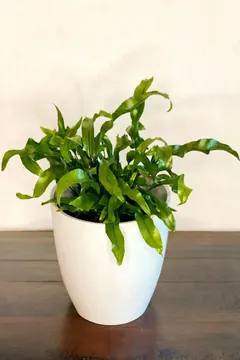
LightKangaroo Paw Fern prefers bright, indirect light at 150 to…
WaterWater Kangaroo Paw Fern when the surface of the potting mix…
ToxicityNot ASPCA-listed
Mature sizeIt eventually stands 1 to 2 ft / 30 to…
Kangaroo Paw Fern is a creeping or climbing fern with glossy, dark green leaves divided into single lobes. Its black rhizomes carry brown hairs, giving them a paw-like look. The spreading habit works well in a broad pot or raised display. It is an easy foliage plant for growers who can provide indirect light and regular moisture without leaving the roots waterlogged.
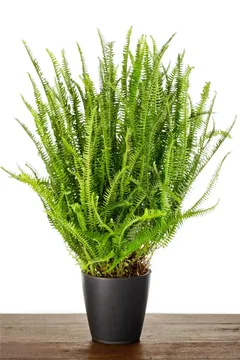
LightKimberly Queen Fern performs best in bright, indirect light…
WaterKeep Kimberly Queen Fern evenly moist, but never leave the…
ToxicityNot ASPCA-listed
Mature sizeIt can become 2 to 4 ft / 60 to 120 cm…
Kimberly Queen Fern is an evergreen fern with large, sword-shaped fronds that arch from a dense center. Its growth stays more upright and bushy than that of many trailing ferns. The rich foliage can fill a floor pot or plant stand without sprawling immediately. It suits an easy to intermediate grower who can maintain steady moisture, indirect light, and humid air.
LightKorean Rock Fern prefers medium to bright indirect light at…
WaterWater Korean Rock Fern once the topsoil feels dry. Test the…
ToxicityNot ASPCA-listed
Mature sizeIts eventual height is 1 to 2 ft / 30…
Korean Rock Fern is a small evergreen fern that develops a neat, tufted shape. Its broad, lance-shaped fronds are leathery, glossy, and blue-green. The compact outline works well where a larger fern would overwhelm the space. This easy plant suits indoor growers seeking year-round foliage, provided the roots receive regular water and the fronds stay out of direct sun.
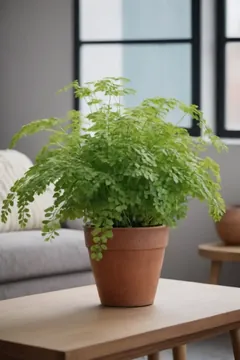
WaterKeep Maidenhair Fern soil consistently moist but never…
ToxicityNot ASPCA-listed
Mature size5 ft / 30 to 75 cm tall
Maidenhair Fern has airy, fan-shaped fronds held on thin, black, wiry stems. The delicate foliage creates a soft texture but reacts quickly when the root zone becomes dry. It favors warm rooms with humid air and steady moisture. This intermediate plant suits attentive growers who can monitor its pot often and protect the fragile fronds from direct sunlight and dry drafts.
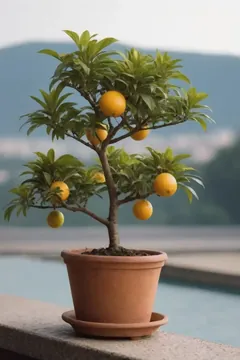
LightMeyer Lemon Tree needs bright direct light at 250 to 1000…
WaterWater a Meyer Lemon Tree when the topsoil feels dry. Check…
ToxicityToxic to pets
Mature sizeIts eventual indoor height is 5 to 10…
Meyer Lemon Tree is a compact evergreen citrus with glossy dark green leaves and some spines. Fragrant white blossoms can develop into rounded orange-yellow fruit. Its lemons taste sweeter and less acidic than common lemons. The tree can grow in a large indoor container, but fruiting demands abundant direct sun. It suits growers who can provide a bright window, seasonal feeding, and room for a small tree.
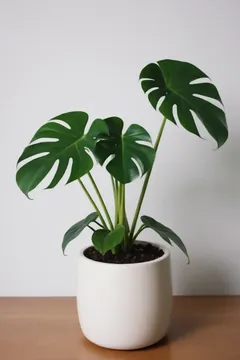
WaterWater Mini Monstera when the topsoil feels dry. Check the…
ToxicityToxic to pets
Mature sizeSupported vines can grow 6 to 10 ft / 1
Mini Monstera is a fast-climbing tropical vine with glossy green leaves and deep natural splits. Its foliage resembles a smaller Monstera deliciosa, though the plants are not the same species. The vine benefits from a pole, trellis, or other vertical support. It suits growers who want a dramatic climber without the huge leaves of a mature Swiss Cheese Plant, but its sap and foliage are toxic.
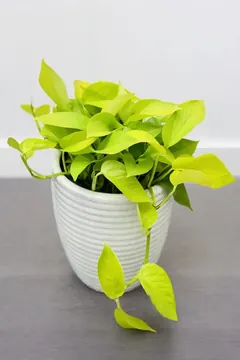
LightNeon Pothos prefers bright, indirect light but tolerates…
WaterLet Neon Pothos become almost dry before watering again…
ToxicityToxic to pets
Mature size4 m, with an eventual spread of 3 to 6…
Neon Pothos is a trailing or climbing vine grown for its vivid neon-green leaves. Its bright foliage adds color without flowers and looks striking in hanging baskets or on a support. The plant tolerates lower light, though useful indirect light keeps growth fuller and the color stronger. It suits many indoor spaces, but regular soil checks are important because prolonged wetness can damage its roots.
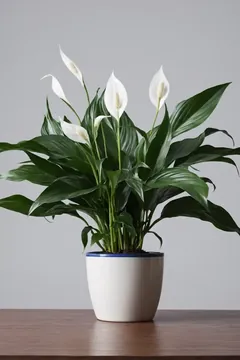
LightPeace Lily performs best in bright, indirect light…
WaterKeep Peace Lily soil consistently moist without making it…
ToxicityToxic to pets
Mature sizeDepending on the variety, it may grow 1…
The Peace Lily is a leafy tropical grown for glossy, dark green foliage and upright white spathes. These flower-like structures are modified leaves surrounding the true flowers. Its full shape works well on floors, desks, and shaded indoor displays. It is easy to maintain when moisture stays steady, though its toxicity makes careful placement important in homes with pets or young children.
Schefflera arboricola (also listed as Heptapleurum arboricola)
LightBright, indirect light, ideally three to four hours of…
WaterWater deeply, then let the top 3 to 4 cm (about 1.5 in) dry…
ToxicityToxic to pets
Mature sizeIndoors in a container, 120 to 180 cm…
Umbrella Plant carries glossy leaflets arranged in a circle at the end of each stalk, like the ribs of an umbrella, on an upright woody stem. It is grown indoors as a small tree or bonsai that copes with ordinary rooms and can be kept to size by pruning.
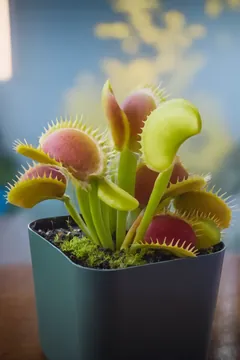
LightVenus Flytrap needs bright, direct light measuring 250 to…
WaterKeep the Venus Flytrap growing medium wet at all times…
ToxicitySafe for cats & dogs
Mature sizeA mature plant can measure 15 to 30 cm…
Venus Flytrap is a small carnivorous plant with a low rosette of flat green leaves. Each leaf ends in hinged lobes that form an insect-catching trap. When triggered, the lobes close around suitable prey. Its unusual feeding method makes it popular with curious growers, but it needs intense direct light and mineral-free water. It suits anyone prepared to keep the growing medium wet and avoid normal houseplant fertilizer.
How can I tell if indoor plant soil drains too slowly?
Water may remain on the surface, the pot may stay heavy for a long time, or the mix may smell stale. Check that the drainage hole is open before changing the mix.
What should I do with compacted potting mix?
Repot into a fresh, appropriately structured mix and gently remove loose exhausted material without unnecessarily damaging healthy roots. Use a container with working drainage.
Why does potting soil stay wet for too long?
The mix may hold too much water, the pot may be oversized, drainage may be blocked, or the plant may be using water slowly because of low light or cool conditions.
Can I use the same potting mix for every indoor plant?
No. Root aeration and moisture needs differ, so check the individual plant page before selecting or modifying a mix.
How can I prevent soil problems after repotting?
Match the mix and container to the plant, keep drainage holes clear and water according to the moisture in the pot. Do not assume a fixed schedule suits every season.
Should old potting mix be reused?
Inspect it first for compaction, pests, disease symptoms and poor structure. If its condition is doubtful, replace it rather than transferring a possible problem.
Care data checked 25 September 2026 · Dany · A-Z Plants