6 indoor plants begin with K: Kaffir Lime, Kangaroo Paw Fern, Kentia Palm, Kimberly Queen Fern, King of Air Plants, Korean Rock Fern. Every entry below shows the facts you came for first: light, water, toxicity and mature size, with the full care guide one click away.
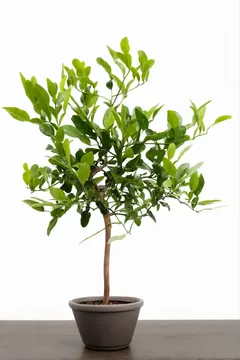
Citrus hystrix
- LightKaffir Lime grows best in bright, indirect light measuring…
- WaterWater Kaffir Lime after the topsoil becomes dry to the…
- ToxicityNot ASPCA-listed
- Mature size5 m, with a spread of 3 to 4 ft / 0
Kaffir Lime is an evergreen citrus shrub grown indoors for its glossy, double leaves and strong citrus scent. Small, bumpy fruits may follow fragrant white flowers when care is suitable. The aromatic foliage is its main indoor attraction. This plant suits growers who can provide bright light, careful watering, and enough room for a compact shrub.
Shop this plant
Full care guide →
Care notes
Kaffir Lime grows best in bright, indirect light measuring 150 to 250 μmol·m⁻²·s⁻¹.
- Place it 5 ft / 1.5 m from a south, west, or east-facing window.
- The plant should not have a clear view of the sky. Filter unavoidable direct sun with a sheer curtain.
- Too much light can scorch or bleach the glossy leaves. Too little light may limit growth, flowers, and fruit.
- A PAR meter or PAR meter app can measure photosynthetically active radiation as PPFD (μmol·m⁻²·s⁻¹).
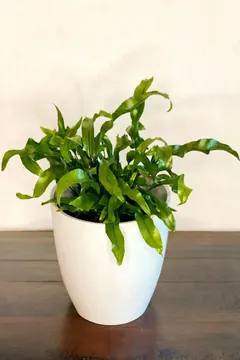
Zealandia pustulata
- LightKangaroo Paw Fern prefers bright, indirect light at 150 to…
- WaterWater Kangaroo Paw Fern when the surface of the potting mix…
- ToxicityNot ASPCA-listed
- Mature sizeIt eventually stands 1 to 2 ft / 30 to…
Kangaroo Paw Fern is a creeping or climbing fern with glossy, dark green leaves divided into single lobes. Its black rhizomes carry brown hairs, giving them a paw-like look. The spreading habit works well in a broad pot or raised display. It is an easy foliage plant for growers who can provide indirect light and regular moisture without leaving the roots waterlogged.
Shop this plant
Full care guide →
Care notes
Kangaroo Paw Fern prefers bright, indirect light at 150 to 250 μmol·m⁻²·s⁻¹, although it tolerates lower light with slower growth.
- Set it 5 ft / 1.5 m from a south, west, or east-facing window.
- Avoid an unobstructed view of the sky. If sun reaches the fronds, soften it with a sheer curtain.
- Excess direct light can scorch the foliage. Deep shade reduces the fern's growth rate.
- Check photosynthetically active radiation with a PAR meter or PAR meter app, reported as PPFD (μmol·m⁻²·s⁻¹).
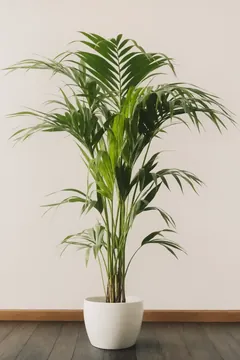
Howea forsteriana
- LightKentia Palm favors bright, indirect light between 150 and…
- WaterWater Kentia Palm when the topsoil is dry to the touch…
- ToxicityNot ASPCA-listed
- Mature sizeA mature specimen can reach 6 to 10…
Kentia Palm is a tall indoor palm with arching fronds and glossy, dark green leaflets. Its graceful outline brings height and soft texture to a room without dense, bushy foliage. It tolerates lower light better than many palms, although growth becomes slower there. This resilient plant suits growers who want a substantial floor specimen and can give it space to mature.
Shop this plant
Full care guide →
Care notes
Kentia Palm favors bright, indirect light between 150 and 250 μmol·m⁻²·s⁻¹. Lower light is tolerated, but it slows an already measured growth rate.
- Position the palm 5 ft / 1.5 m from a south, west, or east-facing window.
- Keep it from having a direct view of the sky. Use a sheer curtain when direct sun cannot be avoided.
- Harsh light can mark or scorch the fronds. Too little light leads to weak, slow development.
- A PAR meter or PAR meter app can check photosynthetically active radiation as PPFD (μmol·m⁻²·s⁻¹).
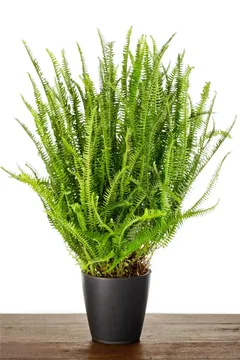
Nephrolepis obliterata
- LightKimberly Queen Fern performs best in bright, indirect light…
- WaterKeep Kimberly Queen Fern evenly moist, but never leave the…
- ToxicityNot ASPCA-listed
- Mature sizeIt can become 2 to 4 ft / 60 to 120 cm…
Kimberly Queen Fern is an evergreen fern with large, sword-shaped fronds that arch from a dense center. Its growth stays more upright and bushy than that of many trailing ferns. The rich foliage can fill a floor pot or plant stand without sprawling immediately. It suits an easy to intermediate grower who can maintain steady moisture, indirect light, and humid air.
Shop this plant
Full care guide →
Care notes
Kimberly Queen Fern performs best in bright, indirect light at 150 to 250 μmol·m⁻²·s⁻¹. It can handle lower light, although its growth may slow.
- Place it 5 ft / 1.5 m from a south, west, or east-facing window.
- Do not give the plant an open view of the sky. Filter unavoidable sun through a sheer curtain.
- Strong direct light may scorch the fronds. Dim conditions produce slower, thinner growth.
- Use a PAR meter or PAR meter app to measure photosynthetically active radiation as PPFD (μmol·m⁻²·s⁻¹).
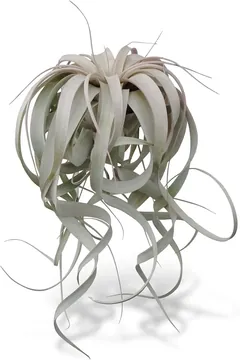
Tillandsia xerographica
- LightKing of Air Plants needs bright, indirect light measuring…
- WaterKing of Air Plants needs a full soak rather than soil…
- ToxicityNot ASPCA-listed
- Mature sizeIt eventually reaches 12 to 24 inches /…
King of Air Plants forms a broad rosette of curling, silvery-green leaves with an octopus-like shape. It needs no potting soil, so it can become a sculptural display on its own. A mature plant may flower once during its lifetime, producing striking red and purple blooms. It suits growers who want an unusual specimen and can maintain a regular soaking routine.
Shop this plant
Full care guide →
Care notes
King of Air Plants needs bright, indirect light measuring 150 to 250 μmol·m⁻²·s⁻¹.
- Keep it about 5 ft / 1.5 m from a south, west, or east-facing window.
- The rosette should not have a direct view of the sky. Place a sheer curtain between the plant and any unavoidable direct sun.
- Excess light can scorch or bleach the silvery leaves. Insufficient light may slow growth and reduce flowering potential.
- A PAR meter or PAR meter app can measure photosynthetically active radiation as PPFD (μmol·m⁻²·s⁻¹).
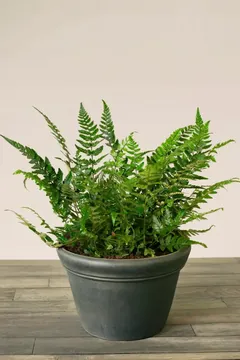
Polystichum tsus-simense
- LightKorean Rock Fern prefers medium to bright indirect light at…
- WaterWater Korean Rock Fern once the topsoil feels dry. Test the…
- ToxicityNot ASPCA-listed
- Mature sizeIts eventual height is 1 to 2 ft / 30…
Korean Rock Fern is a small evergreen fern that develops a neat, tufted shape. Its broad, lance-shaped fronds are leathery, glossy, and blue-green. The compact outline works well where a larger fern would overwhelm the space. This easy plant suits indoor growers seeking year-round foliage, provided the roots receive regular water and the fronds stay out of direct sun.
Shop this plant
Full care guide →
Care notes
Korean Rock Fern prefers medium to bright indirect light at 150 to 200 μmol·m⁻²·s⁻¹.
- Place the pot 6 ft / 1.8 m from a south, west, or east-facing window.
- Keep the fern from having a direct view of the sky. A sheer curtain can filter any direct sunlight that reaches the fronds.
- Too much sun can scorch its leathery foliage. Too little light may slow new frond production.
- Measure photosynthetically active radiation with a PAR meter or PAR meter app, using PPFD (μmol·m⁻²·s⁻¹).
Questions about plants that start with K
How many indoor plants start with K?
6, as listed on this page.
Is Kaffir Lime safe for cats and dogs?
Not ASPCA-listed. The supplied safety information classifies Kaffir Lime as non-toxic to people and pets. No ASPCA listing is provided here, so there is no ASPCA safety ruling for this species. It cannot be called pet safe on that basis. Keep it away from pets that chew plants.
How much light does a Kaffir Lime need?
Kaffir Lime grows best in bright, indirect light measuring 150 to 250 μmol·m⁻²·s⁻¹.Place it 5 ft / 1.5 m from a south, west, or east-facing window. The plant should not have a clear view of the sky. Filter unavoidable direct sun with a sheer curtain. Too much light can scorch or bleach the glossy le
How do I know which of these plants suits my room?
Sort by the facts strip: low-light plants for north-facing rooms, pet-safe names if you have a cat or dog, and the smaller species for shelves and desks.