This guide to how often to water indoor plants explains why the answer depends on the species, potting mix, container, light, temperature and season. It shows how to assess moisture and plant condition instead of relying on a universal calendar. Use the general method to decide when a pot needs attention, then open the relevant plant page for its preferred moisture pattern. Aloe Vera, Boston Fern, African Violet and Coffee Plant illustrate why one schedule cannot suit every plant. Recheck conditions whenever a plant is moved, repotted or exposed to seasonal changes, since the rate at which it uses water may change even when the species stays the same.
LightAfrican Mask Plant grows best in bright, indirect light…
WaterKeep African Mask Plant evenly moist, but never leave the…
ToxicityToxic to pets
Mature sizeIndoors, it can grow 2 to 3 ft / 60 to…
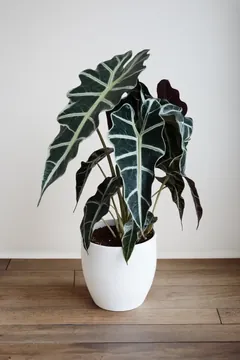
African Mask Plant is a bold tropical foliage plant with broad, glossy, arrow-shaped leaves. Deep green surfaces highlight strong silver-white veins. Its upright form brings structure and contrast to an indoor collection. It suits growers who can provide steady moisture, warmth, humidity, and filtered light. Care is more demanding than for many common houseplants, especially during winter dormancy.
LightAfrican Violet flowers best in bright, indirect light…
WaterWater African Violet when the topsoil feels dry. Bottom…
ToxicitySafe for cats & dogs
Mature sizeA full-grown plant generally reaches 6…
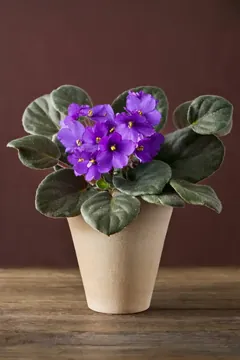
African Violet is a compact perennial that forms a neat rosette of soft, velvety leaves. Colorful flowers rise above the foliage and may appear in many shades. Its small size suits shelves, desks, and bright windowsills. It can bloom for long periods when light, moisture, and temperature remain stable. Beginners can grow it, although careful watering helps prevent marked or damaged leaves.
LightAloe Vera needs bright, direct light between 250 to 1000…
WaterAllow Aloe Vera's soil to dry completely before watering…
ToxicityToxic to pets
Mature sizeIndoors, it can grow 1 to 2 ft / 30 to…
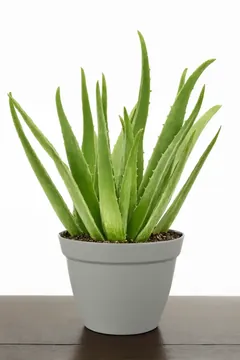
Aloe Vera is a sturdy succulent that forms a rosette of thick green leaves. Each fleshy leaf has small spikes along its edges and stores water for dry periods. Its clean shape works well on sunny windowsills and in bright rooms. It is easy to grow when given strong light, a draining mix, and infrequent watering. Owners should also consider its toxicity before placing it near pets or children.
LightAluminum Plant prefers bright, indirect light between 150…
WaterWater Aluminum Plant when the topsoil feels dry. Check the…
ToxicitySafe for cats & dogs
Mature sizeIt reaches about 1 ft / 30 cm tall and…
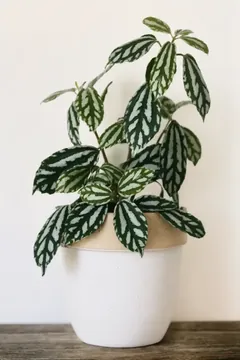
Aluminum Plant is a compact evergreen perennial with bushy, upright growth. Its green leaves carry bright silver markings that resemble brushed metal. Stems may spread or droop as they lengthen, making the plant useful in pots or mixed displays. It is easy to maintain under stable indoor conditions. Regular pinching keeps growth dense, while filtered light preserves the strong contrast in its patterned foliage.
LightArrowhead Plant accepts low to medium light between 50 to…
WaterKeep Arrowhead Plant consistently moist, but never soggy…
ToxicityToxic to pets
Mature sizeIt can reach 1 to 2 ft / 30 to 60 cm…
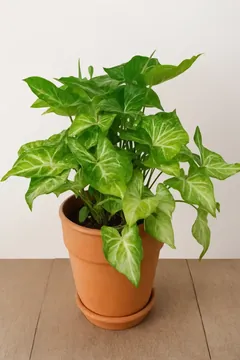
Arrowhead Plant is a tropical vine with glossy leaves that begin in a clear arrow shape. Foliage may be solid green or patterned with white, cream, or pink. Young plants stay compact, while older stems climb or trail. It is adaptable and easy to grow in lower indoor light. This plant suits shelves, hanging pots, or supports, but its toxic tissues require careful placement around pets and children.
Artillery Plant is a small, spreading Pilea with many rounded leaves on fine stems. Its foliage may combine green and white, creating a soft, textured mound. Tiny flowers release pollen with a sudden burst, which inspired the common name. The plant fits terrariums, small pots, and mixed displays. It is easy to grow when kept warm, evenly moist, and protected from harsh direct sunlight.
LightAsparagus Fern grows best in bright, indirect light…
WaterKeep Asparagus Fern evenly moist, but do not leave the…
ToxicityToxic to pets
Mature sizeDepending on support and pruning, it…
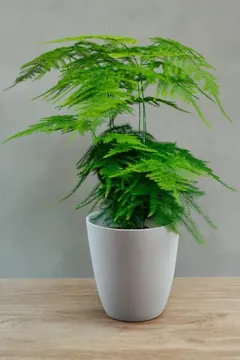
Asparagus Fern has fine, lacy foliage carried on long arching or trailing stems. Although it resembles a fern, it belongs to the asparagus family. Its airy shape works in hanging baskets, tabletop pots, or larger floor displays. It is fairly easy to grow with steady moisture and filtered light. Mature stems may become long and tangled, while dry conditions can make the delicate foliage shed.
LightAzalea prefers bright, indirect light measuring 150 to 250…
WaterWater Azalea when the topsoil feels dry. Check moisture…
ToxicityToxic to pets
Mature sizeIndoors, it can grow 2 to 4 ft / 60 to…
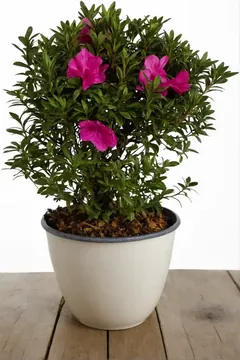
Azalea is an evergreen shrub grown indoors for its abundant spring flowers. Some plants produce a smaller second display in fall. Glossy, dark green leaves create a dense background for blooms in several colors. It suits cool, bright rooms where moisture and soil acidity can be managed. Warm, dry conditions shorten flowering, so it may require more attention than a typical foliage houseplant.
WaterWater Baby Rubber Plant when the topsoil feels dry. Check…
ToxicitySafe for cats & dogs
Mature sizesee care guide
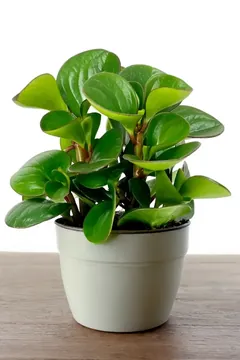
Baby Rubber Plant is a compact houseplant with thick, glossy leaves shaped like rounded spoons. The fleshy foliage stores some moisture, helping the plant handle an occasional missed watering. Its tidy, upright form fits shelves, desks, and small rooms. It is easy to maintain under bright filtered light and normal indoor conditions. Several cultivars add white, yellow, or lime markings to the leaves.
WaterKeep Baby’s Tears consistently moist, but not soggy. Check…
ToxicitySafe for cats & dogs
Mature sizesee care guide
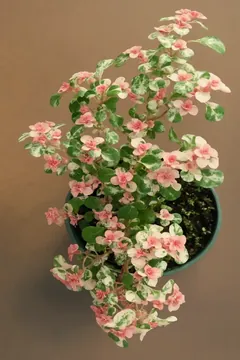
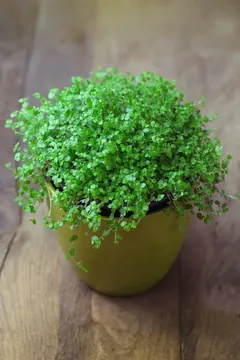
Baby’s Tears is a mat-forming tropical perennial with countless small leaves. Each round or bean-shaped leaf grows on a short, fleshy stem, creating a dense carpet. The plant spills gently over pot edges and also suits humid terrariums. It is easy to grow when moisture never swings too far. Dry soil can damage the fine growth quickly, while poor drainage may cause stems and roots to rot.
LightBanana Plant prefers bright, indirect light between 150 to…
WaterKeep Banana Plant's soil consistently moist, but never…
ToxicitySafe for cats & dogs
Mature sizeIndoors, it may grow 6 to 8 feet / 1
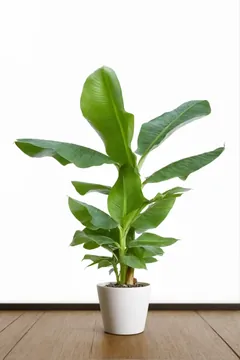
Banana Plant is a large tropical perennial with huge, glossy leaves shaped like paddles. The foliage rises from a sturdy central form and gives a room a bold canopy. Mature indoor plants may produce orange or purple flowers followed by small, inedible bananas. It needs generous space, warmth, humidity, and steady moisture. Its fast, substantial growth suits bright rooms better than cramped shelves or narrow walkways.
LightBlack Bat Flower needs bright indirect light at 150 to 250…
WaterBlack Bat Flower needs consistently moist soil, but its…
ToxicityNot ASPCA-listed
Mature sizeIts eventual height is 2 to 3 ft / 60…
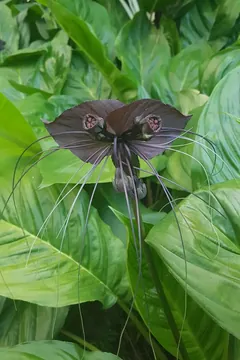
Black Bat Flower is an upright perennial grown for its extraordinary blooms. Broad, dark bracts spread like a bat’s wings around the true flowers, while long whisker-like structures add drama. Green foliage creates a lush base beneath the blooms. This tropical plant appeals to collectors seeking an unusual flowering specimen. It is more demanding than a typical houseplant and needs stable warmth, moisture, humidity, and filtered light.
LightBlue Star Fern prefers bright indirect light at 150 to 250…
WaterKeep the soil consistently moist for Blue Star Fern, but do…
ToxicityNot ASPCA-listed
Mature sizeIt can eventually reach 2 to 3 feet /…
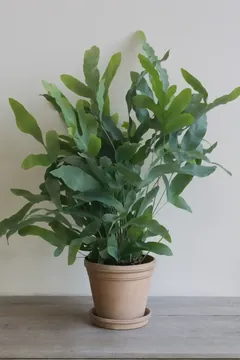
Blue Star Fern is an evergreen fern that spreads from creeping rhizomes and forms a broad clump. Its arching fronds have an unusual blue-green cast and softly divided outlines. The foliage looks less delicate than many traditional ferns. This easy indoor plant suits shelves, stands, or wide pots. It works well for growers who can maintain light moisture while keeping the rhizomes above dense, soggy soil.
LightBoston Fern needs bright indirect light at 150 to 250…
WaterKeep Boston Fern soil consistently moist without leaving it…
ToxicitySafe for cats & dogs
Mature sizeIts fronds can stand or trail 1 to 3 ft…
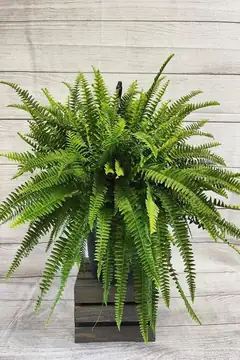
Boston Fern forms a lush fountain of arching fronds covered with many fine leaflets. Mature foliage spills over the pot, making this fern useful on plant stands or in hanging planters. Its soft green texture adds volume without a rigid outline. It suits growers who enjoy full, cascading foliage and can maintain consistent moisture, filtered light, and moderate to high humidity throughout the year.
LightBottle Brush Plant requires bright direct light at 250 to…
WaterKeep Bottle Brush Plant soil consistently moist, but not…
ToxicitySafe for cats & dogs
Mature sizeIndoors, it may eventually reach 3 to 6…
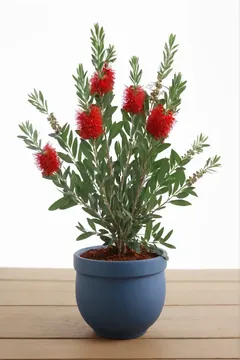
Bottle Brush Plant is an evergreen shrub with narrow leaves that release a lemon scent. Its dense, cylindrical flower spikes resemble brushes used to clean bottles. The colorful blooms create the plant’s main display, while woody growth gives it a small-shrub form. Indoors, it suits a bright window and needs room for branching. Choose it if you can provide long periods of direct sun and regular shaping.
LightCape Jasmine needs bright indirect light at 150 to 250…
WaterKeep Cape Jasmine soil consistently moist, but not soggy…
ToxicityToxic to pets
Mature sizeIndoors, it may eventually reach 3 to 6…
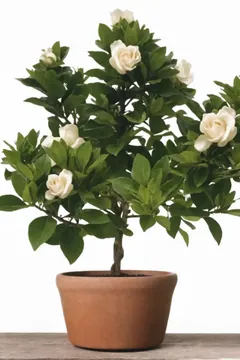
Cape Jasmine is a compact, bushy evergreen shrub with glossy green leaves. Its fragrant white flowers provide the main attraction and stand out against the dark foliage. The plant can become a refined indoor specimen when its light, moisture, acidity, warmth, and humidity remain stable. It suits experienced growers who enjoy fragrant blooms and do not mind monitoring conditions closely. Sudden environmental changes can affect buds and leaves.
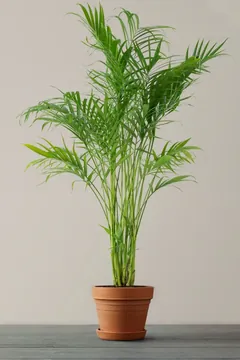
LightCat Palm prefers bright indirect light at 150 to 250…
WaterWater Cat Palm when the topsoil feels dry. Check below the…
ToxicitySafe for cats & dogs
Mature sizeThe clump can spread 3 to 5 ft / 0
Cat Palm is a small, clustering palm with many arching, feathery fronds. Its bushy growth rises from the base rather than forming one tall, bare trunk. The foliage brings a soft tropical look to floors and broad plant stands. This palm suits a bright room with space for its widening crown. It needs more moisture and humidity than drought-tolerant palms, so regular checks are important.
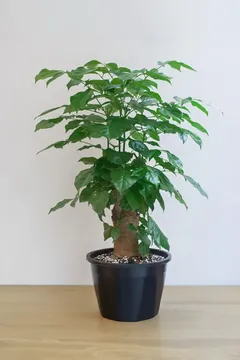
LightThe China Doll Plant needs bright direct light measuring…
WaterKeep the China Doll Plant evenly moist, but never leave its…
ToxicitySafe for cats & dogs
Mature sizeIt can reach 4 to 6 ft / 1
The China Doll Plant is a compact evergreen tree with a dense, bushy shape. Its glossy emerald leaves are compound, with deeply veined leaflets that give the canopy a fine texture. Indoors, it suits growers who want the look of a small tree without a broad spread. It is fairly easy, but stable light and moisture help prevent leaf drop.
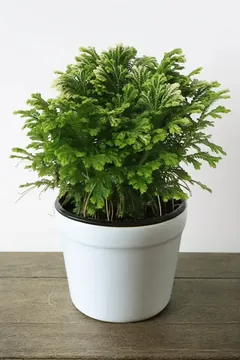
LightClubmoss prefers low to medium indirect light of 50 to 150…
WaterKeep Clubmoss consistently moist without making the soil…
ToxicitySafe for cats & dogs
Mature sizeIt reaches 4 to 6 in / 10 to 15 cm…
Clubmoss is a low-growing relative of ferns with tiny, bright green leaves that resemble moss. Its creeping stems knit together into dense mats, adding soft texture without much height. It fits humid terrariums, shallow containers, and mixed indoor displays. This easy plant is best for growers who can provide steady moisture and moderate humidity.
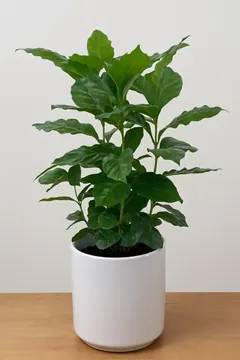
LightCoffee Plant needs bright indirect light of 150 to 250…
WaterKeep Coffee Plant soil consistently moist but not soggy…
ToxicityToxic to pets
Mature sizeIt can grow 3 to 6 ft / 1 to 2 m tall…
Coffee Plant is an evergreen shrub with glossy green leaves and a neat, upright form. Mature specimens may produce fragrant white flowers followed by red fruits called coffee cherries. It brings rich foliage and an unusual crop plant story indoors. Care is moderately demanding because the roots need steady moisture, while the leaves prefer bright filtered light and higher humidity.
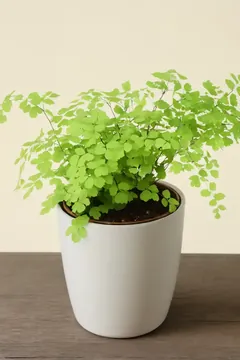
Delta Maidenhair Fern forms delicate triangular fronds carried on arching black stems. Its finely laced foliage creates a soft look while the plant remains naturally compact. It works well on a shaded stand, in a bright bathroom, or inside a humid plant display. Care is intermediate because the thin fronds react quickly to dry soil and dry air.
LightDwarf Umbrella Tree grows best in bright indirect light at…
WaterWater Dwarf Umbrella Tree when the topsoil feels dry. Test…
ToxicityToxic to pets
Mature sizeIndoors, it can grow 4 to 8 ft / 1
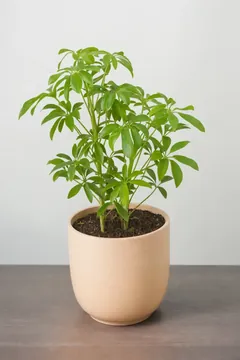
Dwarf Umbrella Tree is a glossy-leaved houseplant with leaflets that spread like the ribs of an umbrella. Its finger-like foliage forms a dense canopy above branching stems. It can grow as a bushy floor plant or be trained into a small tree shape. This plant suits growers who can offer bright filtered light and regular care without keeping the soil constantly wet.
LightMing Aralia grows best in bright, indirect light at 150 to…
WaterKeep Ming Aralia’s soil consistently moist, but never…
ToxicityToxic to pets
Mature sizeIndoors, it may reach 6 to 8 ft / 1
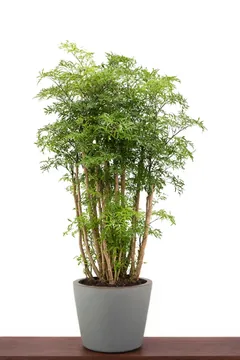
Ming Aralia is an elegant indoor tree with glossy leaves divided into many fern-like segments. Its narrow trunk often twists and may be sold braided for added structure. The airy foliage gives rooms a soft, finely textured look without forming a broad canopy. It needs steadier moisture and humidity than many easy houseplants, so it best suits growers who check soil regularly and avoid sudden changes.
LightRex Begonia needs bright indirect light at 150 to 250…
WaterKeep Rex Begonia evenly moist, but do not leave its soil…
ToxicityToxic to pets
Mature sizeIt eventually reaches 12 to 18 in / 30…
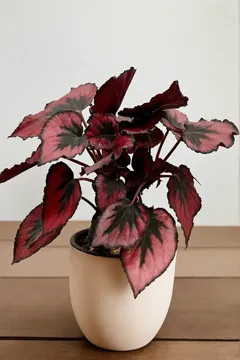
Rex Begonia is grown mainly for dramatic foliage rather than flowers. Its leaves vary widely in shape, color, and surface texture. Depending on the cultivar, they may show metallic highlights, velvet-like surfaces, or sharp graphic patterns. This compact plant adds strong color to shelves and tabletops. It suits attentive growers who can provide filtered light, steady moisture, and good humidity without soaking the roots.
Check the potting mix at an appropriate depth and notice the pot’s weight, leaf condition and recent environment. Compare what you find with the moisture preference on the plant page.
What are signs of overwatering?
Persistently wet mix, yellowing, soft growth, an unpleasant smell or declining roots can indicate excess moisture. Similar symptoms may have other causes, so inspect the whole plant.
How do I help an overwatered plant?
Stop automatic watering, empty standing water and check drainage, mix condition and roots. Repot into a suitable fresh mix if root damage or severe compaction is present.
What are signs of underwatering?
Dry mix, a very light pot, wilting and crisp leaf edges may indicate insufficient water. Confirm the soil condition because root damage can also cause wilting.
Should I water indoor plants on a fixed schedule?
Use a schedule as a reminder to check, not as an instruction to pour water. Drying rates change with light, growth, pot size and season.
How can I prevent watering problems?
Use a draining container and suitable mix, learn the plant’s moisture preference and check before watering. Review the routine after repotting or moving the plant.
Care data checked 25 September 2026 · Dany · A-Z Plants