This plant propagation guide explains how new indoor plants can be produced through methods such as cuttings, division, offsets and plantlets. It covers choosing suitable material, keeping tools and containers clean, providing appropriate moisture and light, and recognising whether a cutting or division is establishing successfully. Use the overview to select a method, then consult the associated plant page because propagation depends on the species and growth habit. Spider Plant, Hoya Hearts, Lady Palm and Mother of Thousands illustrate the range of structures involved. Follow the plant-specific guidance before cutting, and avoid assuming that a leaf, stem or root section can produce a complete plant in every species.
LightAfrican Mask Plant grows best in bright, indirect light…
WaterKeep African Mask Plant evenly moist, but never leave the…
ToxicityToxic to pets
Mature sizeIndoors, it can grow 2 to 3 ft / 60 to…
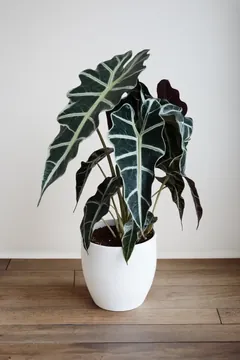
African Mask Plant is a bold tropical foliage plant with broad, glossy, arrow-shaped leaves. Deep green surfaces highlight strong silver-white veins. Its upright form brings structure and contrast to an indoor collection. It suits growers who can provide steady moisture, warmth, humidity, and filtered light. Care is more demanding than for many common houseplants, especially during winter dormancy.
LightAfrican Milk Tree prefers bright, indirect light at 150 to…
WaterLet the potting mix dry completely before watering African…
ToxicityToxic to pets
Mature sizeIndoors, it can eventually reach 6 to 9…
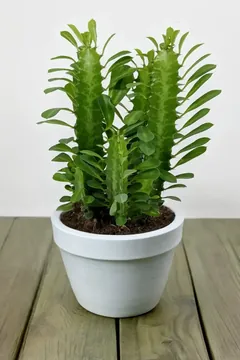
African Milk Tree is a tall succulent with upright, branching stems. Each stem has three angled sides, raised ridges, and small leaves that do not last long. Mature plants may also produce small white flowers. Its sculptural shape works well in bright rooms with limited floor space. It is easy to maintain when given strong filtered light, dry soil, and careful handling.
WaterWater Alocasia Silver Dragon when the topsoil feels dry…
ToxicityToxic to pets
Mature sizesee care guide
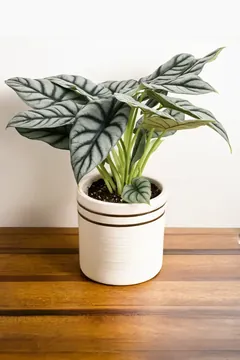
Alocasia Silver Dragon is grown for thick, heart-shaped leaves with a metallic silvery-green surface. Dark green veins form a raised pattern across each blade. Its compact, sculptural foliage stands out on a table or plant shelf. This Alocasia suits experienced growers who can maintain warmth, high humidity, filtered light, and careful watering. Sudden changes in moisture or temperature may quickly affect its leaves.
LightAluminum Plant prefers bright, indirect light between 150…
WaterWater Aluminum Plant when the topsoil feels dry. Check the…
ToxicitySafe for cats & dogs
Mature sizeIt reaches about 1 ft / 30 cm tall and…
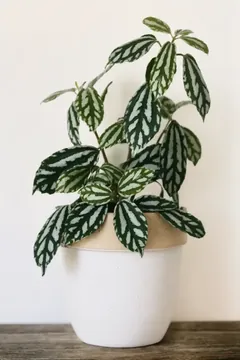
Aluminum Plant is a compact evergreen perennial with bushy, upright growth. Its green leaves carry bright silver markings that resemble brushed metal. Stems may spread or droop as they lengthen, making the plant useful in pots or mixed displays. It is easy to maintain under stable indoor conditions. Regular pinching keeps growth dense, while filtered light preserves the strong contrast in its patterned foliage.
LightAreca Palm thrives in bright, indirect light measuring 150…
WaterWater Areca Palm when the topsoil feels dry. Check below…
ToxicitySafe for cats & dogs
Mature sizeIndoors, it can reach 6 to 10 feet / 1
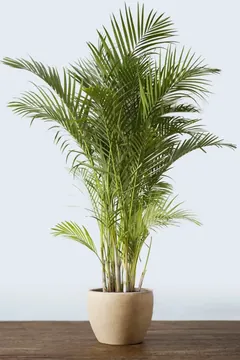
Areca Palm grows as a dense clump of smooth, ringed trunks with a golden-yellow tone. Long, arching fronds divide into narrow green leaflets, creating a soft, feathery look similar to bamboo. It can become a large floor plant and needs room to spread. This palm suits bright interiors where moisture remains steady. Dry air, excess salts, and poor drainage can damage the leaf tips.
LightArrowhead Plant accepts low to medium light between 50 to…
WaterKeep Arrowhead Plant consistently moist, but never soggy…
ToxicityToxic to pets
Mature sizeIt can reach 1 to 2 ft / 30 to 60 cm…
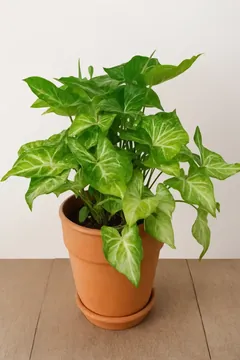
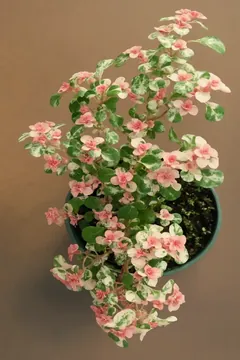
Arrowhead Plant is a tropical vine with glossy leaves that begin in a clear arrow shape. Foliage may be solid green or patterned with white, cream, or pink. Young plants stay compact, while older stems climb or trail. It is adaptable and easy to grow in lower indoor light. This plant suits shelves, hanging pots, or supports, but its toxic tissues require careful placement around pets and children.
Artillery Plant is a small, spreading Pilea with many rounded leaves on fine stems. Its foliage may combine green and white, creating a soft, textured mound. Tiny flowers release pollen with a sudden burst, which inspired the common name. The plant fits terrariums, small pots, and mixed displays. It is easy to grow when kept warm, evenly moist, and protected from harsh direct sunlight.
LightAsparagus Fern grows best in bright, indirect light…
WaterKeep Asparagus Fern evenly moist, but do not leave the…
ToxicityToxic to pets
Mature sizeDepending on support and pruning, it…
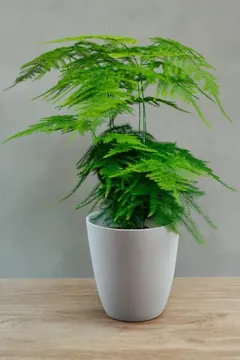
Asparagus Fern has fine, lacy foliage carried on long arching or trailing stems. Although it resembles a fern, it belongs to the asparagus family. Its airy shape works in hanging baskets, tabletop pots, or larger floor displays. It is fairly easy to grow with steady moisture and filtered light. Mature stems may become long and tangled, while dry conditions can make the delicate foliage shed.
WaterKeep Baby’s Tears consistently moist, but not soggy. Check…
ToxicitySafe for cats & dogs
Mature sizesee care guide
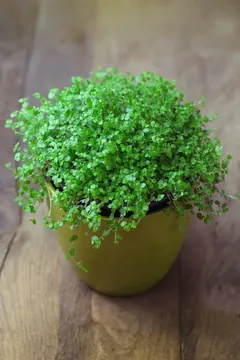
Baby’s Tears is a mat-forming tropical perennial with countless small leaves. Each round or bean-shaped leaf grows on a short, fleshy stem, creating a dense carpet. The plant spills gently over pot edges and also suits humid terrariums. It is easy to grow when moisture never swings too far. Dry soil can damage the fine growth quickly, while poor drainage may cause stems and roots to rot.
LightBird’s Nest Fern prefers medium to bright indirect light at…
WaterKeep the mix evenly moist for Bird’s Nest Fern, but never…
ToxicitySafe for cats & dogs
Mature sizeThe fern may eventually stand 3 to 6 ft…
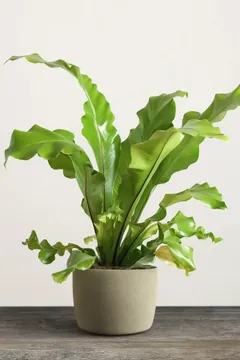
Bird’s Nest Fern forms a neat rosette of bright green, sword-shaped fronds. New growth rises from the central crown and gradually opens outward. Its smooth, undivided leaves give it a cleaner look than many feathery ferns. This plant suits shelves, tables, and shaded rooms with steady warmth. It is manageable for beginners who can provide consistent moisture without soaking the crown or roots.
LightBleeding Heart Vine performs best in bright indirect light…
WaterKeep Bleeding Heart Vine evenly moist, but never leave its…
ToxicityNot ASPCA-listed
Mature sizeIts stems may reach 6 to 10 ft / 1
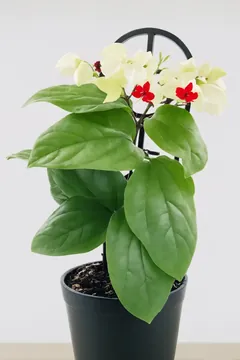
Bleeding Heart Vine is an evergreen climber with glossy green leaves and showy, heart-shaped flowers. Its contrasting blooms appear in clusters and stand out clearly against the foliage. Flexible stems can climb a support or be trained around a frame. This plant suits growers who want a flowering indoor vine and can provide filtered light, steady moisture, and regular shaping as the stems lengthen.
LightBlue Star Fern prefers bright indirect light at 150 to 250…
WaterKeep the soil consistently moist for Blue Star Fern, but do…
ToxicityNot ASPCA-listed
Mature sizeIt can eventually reach 2 to 3 feet /…
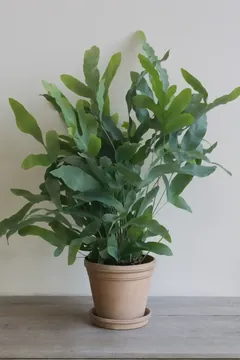
Blue Star Fern is an evergreen fern that spreads from creeping rhizomes and forms a broad clump. Its arching fronds have an unusual blue-green cast and softly divided outlines. The foliage looks less delicate than many traditional ferns. This easy indoor plant suits shelves, stands, or wide pots. It works well for growers who can maintain light moisture while keeping the rhizomes above dense, soggy soil.
LightBottle Brush Plant requires bright direct light at 250 to…
WaterKeep Bottle Brush Plant soil consistently moist, but not…
ToxicitySafe for cats & dogs
Mature sizeIndoors, it may eventually reach 3 to 6…
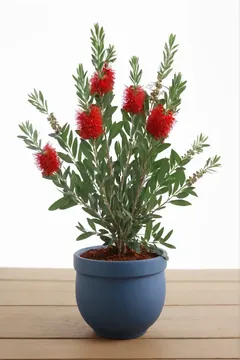
Bottle Brush Plant is an evergreen shrub with narrow leaves that release a lemon scent. Its dense, cylindrical flower spikes resemble brushes used to clean bottles. The colorful blooms create the plant’s main display, while woody growth gives it a small-shrub form. Indoors, it suits a bright window and needs room for branching. Choose it if you can provide long periods of direct sun and regular shaping.
LightBurro's Tail prefers bright indirect light at 150 to 250…
WaterAllow the soil to dry completely before watering Burro's…
ToxicitySafe for cats & dogs
Mature sizeThe plant spreads about 10 to 12 in /…
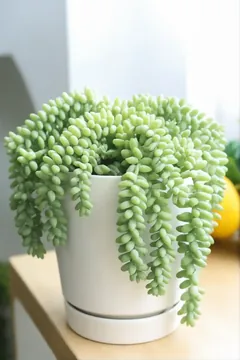
Burro's Tail is a trailing succulent with long stems packed tightly with bluish-green leaves. Each fleshy leaf has a rounded tear-drop shape and stores water for dry periods. Mature stems may carry clusters of small, star-shaped flowers. The plant looks best spilling from a hanging pot or high shelf. It suits bright rooms and infrequent watering, but the leaves detach easily when bumped or handled.
LightChinese Fan Palm grows best in bright indirect light of 150…
WaterWater the Chinese Fan Palm when the topsoil feels dry…
ToxicitySafe for cats & dogs
Mature sizeIt may eventually reach 6 to 10 feet / 1
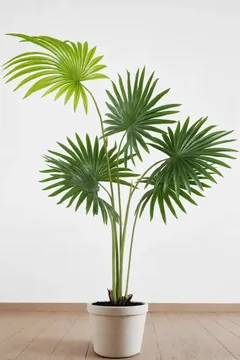
The Chinese Fan Palm has large, glossy fronds divided into broad fan-like sections. A mature frond can measure up to 2 ft / 60 cm across, creating a bold tropical outline. Indoors, it becomes a substantial floor plant without needing complicated care. It suits bright rooms with enough space for its widening crown and arching foliage.
LightChinese Money Plant prefers bright indirect light of 150 to…
WaterWater Chinese Money Plant when the topsoil feels dry. Check…
ToxicitySafe for cats & dogs
Mature sizeIts eventual height is about 12 in / 30…
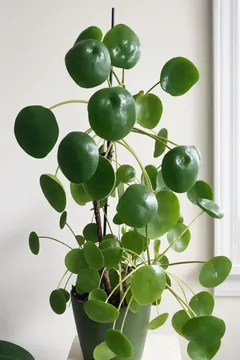
Chinese Money Plant is a compact evergreen perennial with round leaves held on slender stems. The disk-shaped foliage resembles small lily pads and gives the plant a clean, modern outline. It stays low enough for shelves, tables, and windowsills. This easy houseplant suits beginners, although balanced indirect light helps it maintain even, sturdy growth.
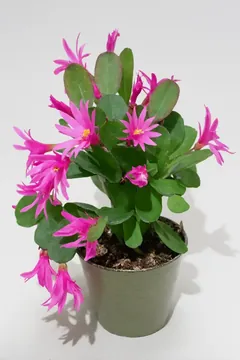
LightChristmas Cactus performs best in bright indirect light of…
WaterWater Christmas Cactus when the topsoil feels dry. Although…
ToxicitySafe for cats & dogs
Mature sizeIt can reach 1 to 2 ft / 30 to 60 cm…
Christmas Cactus is a tropical jungle cactus rather than a desert species. It forms long, flat stems made from linked segments, with bright flowers appearing near the tips. Blooms may be red, pink, or white and usually arrive around the winter holidays. It is easy to grow indoors and works well in pots where its arching stems can hang freely.
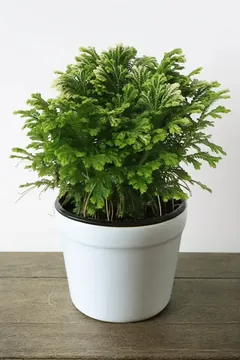
LightClubmoss prefers low to medium indirect light of 50 to 150…
WaterKeep Clubmoss consistently moist without making the soil…
ToxicitySafe for cats & dogs
Mature sizeIt reaches 4 to 6 in / 10 to 15 cm…
Clubmoss is a low-growing relative of ferns with tiny, bright green leaves that resemble moss. Its creeping stems knit together into dense mats, adding soft texture without much height. It fits humid terrariums, shallow containers, and mixed indoor displays. This easy plant is best for growers who can provide steady moisture and moderate humidity.
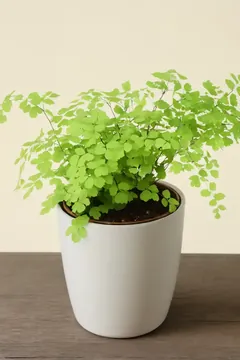
Delta Maidenhair Fern forms delicate triangular fronds carried on arching black stems. Its finely laced foliage creates a soft look while the plant remains naturally compact. It works well on a shaded stand, in a bright bathroom, or inside a humid plant display. Care is intermediate because the thin fronds react quickly to dry soil and dry air.
LightHoya Hearts prefers bright, indirect light at 150 to 250…
WaterAllow Hoya Hearts soil to dry completely before watering…
ToxicitySafe for cats & dogs
Mature sizeMature vines can reach 6 to 10 ft / 1
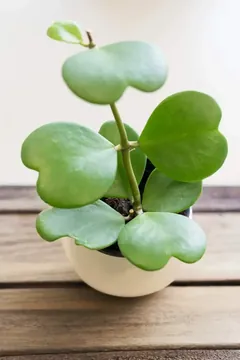
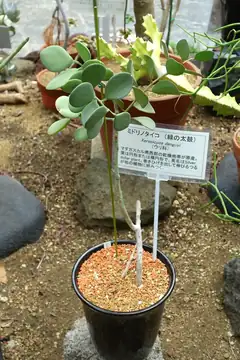
Hoya Hearts is a succulent vine with thick leaves shaped like hearts. Mature plants carry the leaves along climbing or trailing stems, while single-leaf cuttings are also commonly seen. The waxy foliage stores moisture and remains attractive between growth periods. This hoya suits a bright room and a patient grower, since it develops slowly and needs its potting mix to dry fully.
LightLady Palm prefers bright, indirect light between 150 and…
WaterWater Lady Palm after the topsoil feels dry. Check the mix…
ToxicityNot ASPCA-listed
Mature sizesee care guide
Lady Palm is a shade-tolerant palm that grows as a cluster of slender stems. Large, glossy leaves divide into broad fan-shaped segments, creating a full and orderly outline. Its upright form works well as a floor plant where softer tropical foliage is wanted. This easy palm suits indoor growers who can offer indirect light, regular watering, and enough space for a wide clump.
LightMother of Thousands prefers bright, indirect light at 150…
WaterAllow the soil around Mother of Thousands to dry out…
ToxicityToxic to pets
Mature sizeIt can reach 2 to 3 ft / 60 to 90 cm…
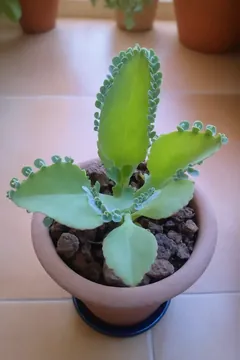
Mother of Thousands is a succulent with upright, lance-shaped leaves and scalloped edges. Tiny plantlets form along those edges and drop readily, allowing the plant to spread into nearby pots. The leaves are emerald green, and small grayish-lavender flowers may appear in winter. It is easy to propagate and tolerate dry soil, but its toxicity and prolific plantlets require careful placement around children, pets, and other containers.
LightSpider Plant prefers bright indirect light but tolerates…
WaterKeep Spider Plant consistently moist, but never leave the…
ToxicitySafe for cats & dogs
Mature sizeThe central foliage reaches about 1 to…
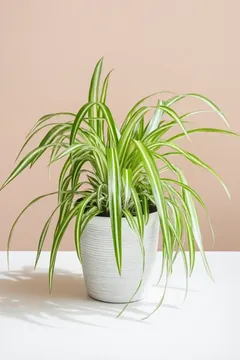
Spider Plant forms a fountain of narrow, arching leaves that are often striped with white. Mature plants send out long stems bearing small white flowers and young plantlets called spiderettes. These offsets make the plant especially useful in hanging baskets or on high shelves. It tolerates a range of indoor light and is easy to propagate, making it a practical choice for beginners and busy growers.
LightVery bright light with at least four hours of direct sun at…
WaterSoak the pot until water runs from the drainage holes, then…
ToxicityNot ASPCA-listed
Mature sizeStems can reach 5 m (16 ft) in habitat…
Silver Dollar Vine is a climbing succulent with flat, round, silver-green leaves about the size of a coin, spaced along thin grey stems. It comes from dry parts of Madagascar and is grown indoors for the coin-shaped foliage and its habit of trailing from a shelf or climbing a frame.
Identify the plant and examine whether it naturally produces stems, offsets, divisions or plantlets. Use the species page to confirm which material can form a complete new plant.
Why is my cutting not rooting?
The cutting may be unsuitable, damaged, too wet, too dry, cold or receiving inappropriate light. Some species also root more slowly than others.
How can I fix a rotting cutting?
Remove affected tissue with a clean tool and restart with healthy material if enough remains. Correct excessive moisture, poor airflow or contaminated equipment before trying again.
When should a rooted cutting be potted?
Pot it when it has developed enough healthy roots to support itself in an appropriate mix. Handle new roots gently and avoid an abrupt change in conditions.
Should propagations be fertilised immediately?
Usually wait until roots are established and active growth is evident, then follow species-specific guidance. Unrooted material cannot use feeding in the same way as an established plant.
How can I prevent propagation failure?
Start with healthy material, use clean tools, match the method to the species and control moisture carefully. Label each propagation and inspect it regularly for rot or drying.
Care data checked 25 September 2026 · Dany · A-Z Plants