This indoor plant fertilizer guide explains when feeding can support growth and when adding more may make a problem worse. It covers the roles of light, active growth, potting mix and watering in a feeding routine, along with warning signs linked to overfeeding or salt build-up. Use this overview for general principles, then consult the associated plant pages for species-specific needs. Aloe Vera, African Violet, Banana Plant and Venus Flytrap have very different growing habits, so one feeding approach cannot suit them all. Check the individual profile before applying fertilizer, especially for plants adapted to nutrient-poor conditions or those growing slowly indoors.
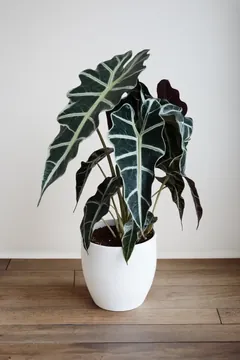
LightAfrican Mask Plant grows best in bright, indirect light…
WaterKeep African Mask Plant evenly moist, but never leave the…
ToxicityToxic to pets
Mature sizeIndoors, it can grow 2 to 3 ft / 60 to…
African Mask Plant is a bold tropical foliage plant with broad, glossy, arrow-shaped leaves. Deep green surfaces highlight strong silver-white veins. Its upright form brings structure and contrast to an indoor collection. It suits growers who can provide steady moisture, warmth, humidity, and filtered light. Care is more demanding than for many common houseplants, especially during winter dormancy.
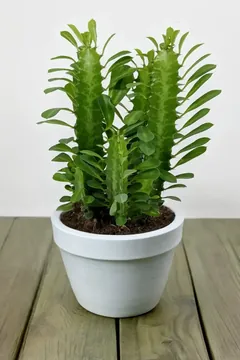
LightAfrican Milk Tree prefers bright, indirect light at 150 to…
WaterLet the potting mix dry completely before watering African…
ToxicityToxic to pets
Mature sizeIndoors, it can eventually reach 6 to 9…
African Milk Tree is a tall succulent with upright, branching stems. Each stem has three angled sides, raised ridges, and small leaves that do not last long. Mature plants may also produce small white flowers. Its sculptural shape works well in bright rooms with limited floor space. It is easy to maintain when given strong filtered light, dry soil, and careful handling.
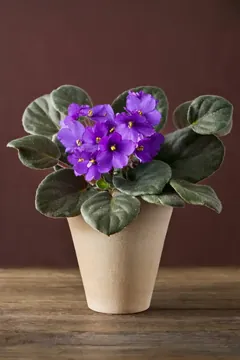
LightAfrican Violet flowers best in bright, indirect light…
WaterWater African Violet when the topsoil feels dry. Bottom…
ToxicitySafe for cats & dogs
Mature sizeA full-grown plant generally reaches 6…
African Violet is a compact perennial that forms a neat rosette of soft, velvety leaves. Colorful flowers rise above the foliage and may appear in many shades. Its small size suits shelves, desks, and bright windowsills. It can bloom for long periods when light, moisture, and temperature remain stable. Beginners can grow it, although careful watering helps prevent marked or damaged leaves.
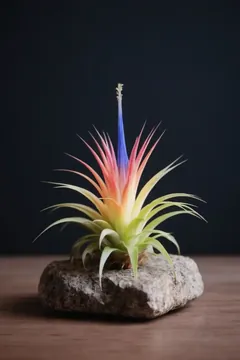
LightAir Plant prefers bright, indirect light at 150 to 250…
WaterAir Plant needs a complete soak rather than conventional…
ToxicitySafe for cats & dogs
Mature sizeIt may grow 6 to 8 in / 15 to 20 cm…
Air Plant is a small bromeliad that forms a tidy rosette without growing in soil. Its narrow, silvery-green leaves absorb moisture and nutrients from the air. The foliage turns red as flowering approaches, adding seasonal color. It suits open displays, mounted arrangements, and small spaces. Care is simple if the plant receives bright filtered light, regular soaking, and enough airflow to dry fully afterward.
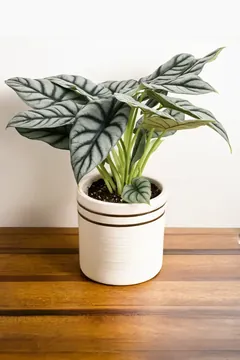
WaterWater Alocasia Silver Dragon when the topsoil feels dry…
ToxicityToxic to pets
Mature sizesee care guide
Alocasia Silver Dragon is grown for thick, heart-shaped leaves with a metallic silvery-green surface. Dark green veins form a raised pattern across each blade. Its compact, sculptural foliage stands out on a table or plant shelf. This Alocasia suits experienced growers who can maintain warmth, high humidity, filtered light, and careful watering. Sudden changes in moisture or temperature may quickly affect its leaves.
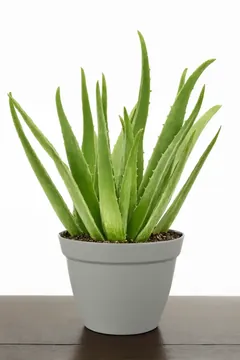
LightAloe Vera needs bright, direct light between 250 to 1000…
WaterAllow Aloe Vera's soil to dry completely before watering…
ToxicityToxic to pets
Mature sizeIndoors, it can grow 1 to 2 ft / 30 to…
Aloe Vera is a sturdy succulent that forms a rosette of thick green leaves. Each fleshy leaf has small spikes along its edges and stores water for dry periods. Its clean shape works well on sunny windowsills and in bright rooms. It is easy to grow when given strong light, a draining mix, and infrequent watering. Owners should also consider its toxicity before placing it near pets or children.
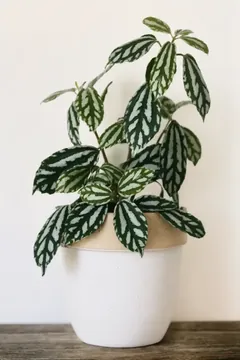
LightAluminum Plant prefers bright, indirect light between 150…
WaterWater Aluminum Plant when the topsoil feels dry. Check the…
ToxicitySafe for cats & dogs
Mature sizeIt reaches about 1 ft / 30 cm tall and…
Aluminum Plant is a compact evergreen perennial with bushy, upright growth. Its green leaves carry bright silver markings that resemble brushed metal. Stems may spread or droop as they lengthen, making the plant useful in pots or mixed displays. It is easy to maintain under stable indoor conditions. Regular pinching keeps growth dense, while filtered light preserves the strong contrast in its patterned foliage.
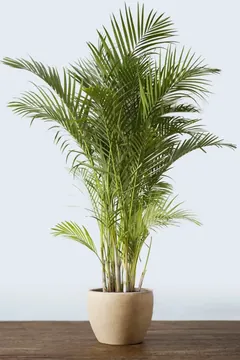
LightAreca Palm thrives in bright, indirect light measuring 150…
WaterWater Areca Palm when the topsoil feels dry. Check below…
ToxicitySafe for cats & dogs
Mature sizeIndoors, it can reach 6 to 10 feet / 1
Areca Palm grows as a dense clump of smooth, ringed trunks with a golden-yellow tone. Long, arching fronds divide into narrow green leaflets, creating a soft, feathery look similar to bamboo. It can become a large floor plant and needs room to spread. This palm suits bright interiors where moisture remains steady. Dry air, excess salts, and poor drainage can damage the leaf tips.
LightArrowhead Plant accepts low to medium light between 50 to…
WaterKeep Arrowhead Plant consistently moist, but never soggy…
ToxicityToxic to pets
Mature sizeIt can reach 1 to 2 ft / 30 to 60 cm…
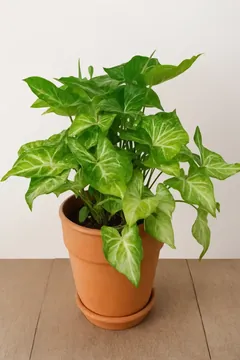
Arrowhead Plant is a tropical vine with glossy leaves that begin in a clear arrow shape. Foliage may be solid green or patterned with white, cream, or pink. Young plants stay compact, while older stems climb or trail. It is adaptable and easy to grow in lower indoor light. This plant suits shelves, hanging pots, or supports, but its toxic tissues require careful placement around pets and children.
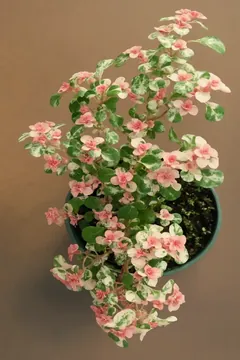
Artillery Plant is a small, spreading Pilea with many rounded leaves on fine stems. Its foliage may combine green and white, creating a soft, textured mound. Tiny flowers release pollen with a sudden burst, which inspired the common name. The plant fits terrariums, small pots, and mixed displays. It is easy to grow when kept warm, evenly moist, and protected from harsh direct sunlight.
LightAsparagus Fern grows best in bright, indirect light…
WaterKeep Asparagus Fern evenly moist, but do not leave the…
ToxicityToxic to pets
Mature sizeDepending on support and pruning, it…
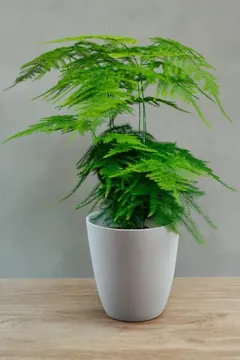
Asparagus Fern has fine, lacy foliage carried on long arching or trailing stems. Although it resembles a fern, it belongs to the asparagus family. Its airy shape works in hanging baskets, tabletop pots, or larger floor displays. It is fairly easy to grow with steady moisture and filtered light. Mature stems may become long and tangled, while dry conditions can make the delicate foliage shed.
LightAzalea prefers bright, indirect light measuring 150 to 250…
WaterWater Azalea when the topsoil feels dry. Check moisture…
ToxicityToxic to pets
Mature sizeIndoors, it can grow 2 to 4 ft / 60 to…
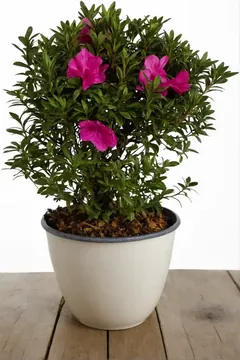
Azalea is an evergreen shrub grown indoors for its abundant spring flowers. Some plants produce a smaller second display in fall. Glossy, dark green leaves create a dense background for blooms in several colors. It suits cool, bright rooms where moisture and soil acidity can be managed. Warm, dry conditions shorten flowering, so it may require more attention than a typical foliage houseplant.
WaterWater Baby Rubber Plant when the topsoil feels dry. Check…
ToxicitySafe for cats & dogs
Mature sizesee care guide
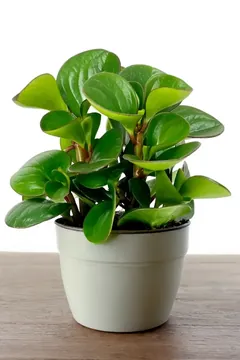
Baby Rubber Plant is a compact houseplant with thick, glossy leaves shaped like rounded spoons. The fleshy foliage stores some moisture, helping the plant handle an occasional missed watering. Its tidy, upright form fits shelves, desks, and small rooms. It is easy to maintain under bright filtered light and normal indoor conditions. Several cultivars add white, yellow, or lime markings to the leaves.
WaterKeep Baby’s Tears consistently moist, but not soggy. Check…
ToxicitySafe for cats & dogs
Mature sizesee care guide
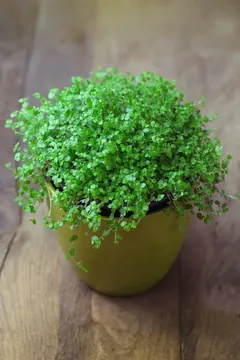
Baby’s Tears is a mat-forming tropical perennial with countless small leaves. Each round or bean-shaped leaf grows on a short, fleshy stem, creating a dense carpet. The plant spills gently over pot edges and also suits humid terrariums. It is easy to grow when moisture never swings too far. Dry soil can damage the fine growth quickly, while poor drainage may cause stems and roots to rot.
LightBanana Plant prefers bright, indirect light between 150 to…
WaterKeep Banana Plant's soil consistently moist, but never…
ToxicitySafe for cats & dogs
Mature sizeIndoors, it may grow 6 to 8 feet / 1
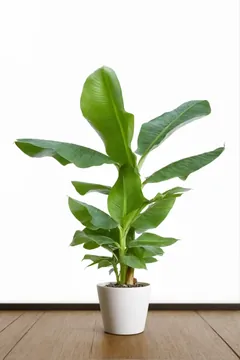
Banana Plant is a large tropical perennial with huge, glossy leaves shaped like paddles. The foliage rises from a sturdy central form and gives a room a bold canopy. Mature indoor plants may produce orange or purple flowers followed by small, inedible bananas. It needs generous space, warmth, humidity, and steady moisture. Its fast, substantial growth suits bright rooms better than cramped shelves or narrow walkways.
LightBird of Paradise needs bright direct light at 250 to 1000…
WaterLet most of the potting mix dry before watering Bird of…
ToxicitySafe for cats & dogs
Mature sizeIndoors, it eventually reaches 3 to 6…
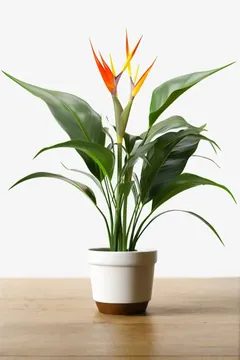
Bird of Paradise is a bold tropical plant with broad, glossy, dark green leaves shaped like banana foliage. Mature plants can produce vivid orange and blue flowers that resemble birds in flight. Its upright form adds height and structure indoors. Grow it if you have strong sunlight, generous floor space, and patience for flowering. Large leaves may need occasional cleaning to show their natural shine.
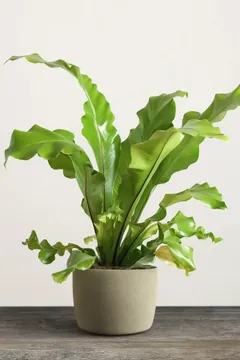
LightBird’s Nest Fern prefers medium to bright indirect light at…
WaterKeep the mix evenly moist for Bird’s Nest Fern, but never…
ToxicitySafe for cats & dogs
Mature sizeThe fern may eventually stand 3 to 6 ft…
Bird’s Nest Fern forms a neat rosette of bright green, sword-shaped fronds. New growth rises from the central crown and gradually opens outward. Its smooth, undivided leaves give it a cleaner look than many feathery ferns. This plant suits shelves, tables, and shaded rooms with steady warmth. It is manageable for beginners who can provide consistent moisture without soaking the crown or roots.
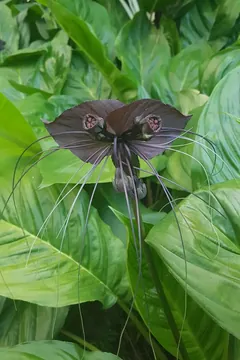
LightBlack Bat Flower needs bright indirect light at 150 to 250…
WaterBlack Bat Flower needs consistently moist soil, but its…
ToxicityNot ASPCA-listed
Mature sizeIts eventual height is 2 to 3 ft / 60…
Black Bat Flower is an upright perennial grown for its extraordinary blooms. Broad, dark bracts spread like a bat’s wings around the true flowers, while long whisker-like structures add drama. Green foliage creates a lush base beneath the blooms. This tropical plant appeals to collectors seeking an unusual flowering specimen. It is more demanding than a typical houseplant and needs stable warmth, moisture, humidity, and filtered light.
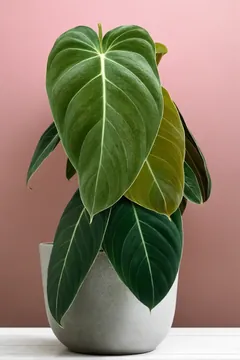
LightBlack Gold Philodendron grows best in bright indirect light…
WaterWater Black Gold Philodendron when the topsoil feels dry…
ToxicityToxic to pets
Mature sizeIts stated eventual height is 2 ft / 30…
Black Gold Philodendron is a climbing vine with large, heart-shaped leaves. The foliage has a soft velvet surface and deep green to nearly black coloring. Golden veins and highlights become more striking as leaves mature. Give the vine a support if you want larger foliage and a tidy upright shape. It suits collectors who can provide bright filtered light, warmth, humidity, and careful watering.
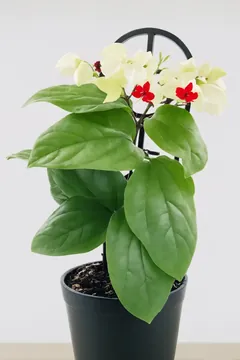
LightBleeding Heart Vine performs best in bright indirect light…
WaterKeep Bleeding Heart Vine evenly moist, but never leave its…
ToxicityNot ASPCA-listed
Mature sizeIts stems may reach 6 to 10 ft / 1
Bleeding Heart Vine is an evergreen climber with glossy green leaves and showy, heart-shaped flowers. Its contrasting blooms appear in clusters and stand out clearly against the foliage. Flexible stems can climb a support or be trained around a frame. This plant suits growers who want a flowering indoor vine and can provide filtered light, steady moisture, and regular shaping as the stems lengthen.
LightStrawberry Begonia prefers bright indirect light at 150 to…
WaterWater Strawberry Begonia when the top third of its soil has…
ToxicitySafe for cats & dogs
Mature sizeIts low foliage reaches 3 to 9 in / 7
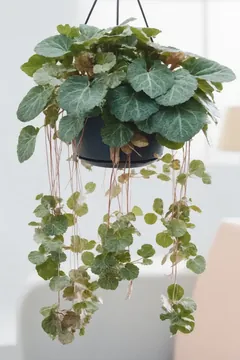
Strawberry Begonia forms low rosettes of rounded, hairy leaves. The upper surfaces are dark green with silver markings, while the undersides are reddish. Slender stems carry tiny white, star-shaped flowers in summer. The plant also produces trailing growth that works well near a pot edge. Despite its common name, it is not a true begonia. It suits growers who can balance filtered light with moderate, even moisture.
LightString of Pearls prefers bright, indirect light at 150 to…
WaterWait until the soil has dried completely before watering…
ToxicityToxic to pets
Mature sizeThe plant eventually spreads about 1 to…
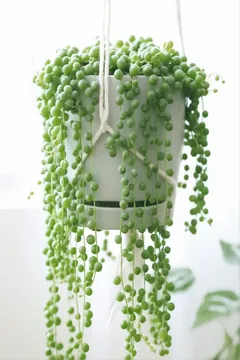
String of Pearls is a trailing succulent with long stems covered in rounded, pearl-like leaves. The bead-shaped foliage stores water and gives the plant its unusual texture. It looks best spilling from a hanging basket or raised shelf. This easy-care houseplant suits growers who have bright filtered light and can resist watering too often. Its delicate stems need gentle handling during watering and repotting.
LightGive String of Tears bright, indirect light in the 150 to…
WaterAllow the entire potting mix to dry before watering String…
ToxicitySafe for cats & dogs
Mature sizesee care guide
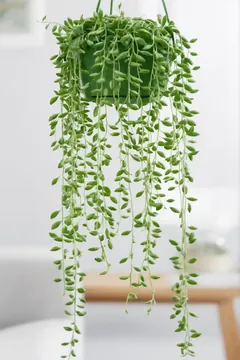
String of Tears is a trailing succulent known for fleshy, tear-shaped leaves arranged along slender stems. Its cascading form works well in hanging baskets and on shelves where the growth can fall freely. The leaves store moisture, making this an easy plant for careful waterers. It is a practical choice for smaller indoor spaces with bright filtered light, though the fragile stems should be handled gently.
LightVenus Flytrap needs bright, direct light measuring 250 to…
WaterKeep the Venus Flytrap growing medium wet at all times…
ToxicitySafe for cats & dogs
Mature sizeA mature plant can measure 15 to 30 cm…
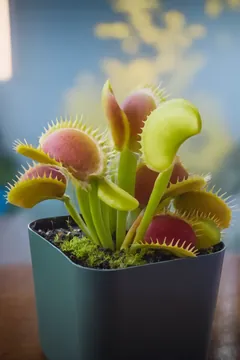
Venus Flytrap is a small carnivorous plant with a low rosette of flat green leaves. Each leaf ends in hinged lobes that form an insect-catching trap. When triggered, the lobes close around suitable prey. Its unusual feeding method makes it popular with curious growers, but it needs intense direct light and mineral-free water. It suits anyone prepared to keep the growing medium wet and avoid normal houseplant fertilizer.
How can I tell if an indoor plant needs fertilizer?
Consider whether it is actively growing and receiving suitable light before blaming slow growth on nutrients. Check the plant page because similar symptoms can also come from root, water or light problems.
What are signs of too much fertilizer?
Possible signs include damaged leaf edges, residue on the soil or pot, wilting despite moisture and declining roots. Stop feeding while you assess drainage, roots and other care factors.
How do I fix overfertilising?
Pause feeding and, where suitable for the plant and mix, allow excess salts to drain out with thorough watering. Repot if the mix or roots are badly affected.
Should I fertilise a stressed or newly repotted plant?
Usually diagnose and correct the source of stress first. Fresh potting mix may already contain nutrients, so check its label and the plant’s care page.
Do all indoor plants need the same fertilizer?
No. Nutrient needs differ between foliage plants, flowering plants, succulents and specialised plants such as Venus Flytrap.
How can I prevent fertilizer problems?
Feed according to the plant’s growth and specific guidance, measure products carefully and avoid adding extra to compensate for poor light. Periodically check for residue and root stress.
Care data checked 25 September 2026 · Dany · A-Z Plants