A-Z Plants

Home › Plants that start with A

Indoor plants A-Z

Plants That Start With A

12 indoor plants begin with A: African Mask Plant, African Milk Tree, African Violet, Air Plant, Alocasia Silver Dragon, Aloe Vera. Every entry below shows the facts you came for first: light, water, toxicity and mature size, with the full care guide one click away. 5 of them are safe for cats and dogs.

PlantLightWaterPet-safe
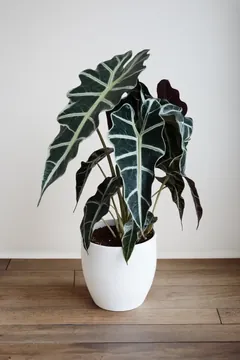
African Mask PlantAfrican Mask Plant grows best in bKeep African Mask Plant evenlyToxic to petsCare guide
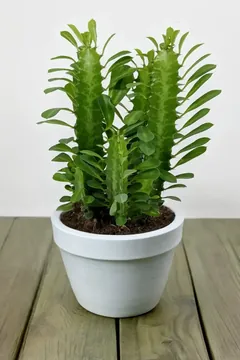
African Milk TreeAfrican Milk Tree prefers bright, Let the potting mix dry compleToxic to petsCare guide
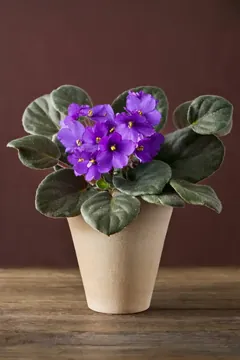
African VioletAfrican Violet flowers best in briWater African Violet when the Safe for cats & dogsCare guide
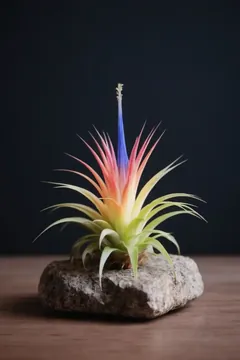
Air PlantAir Plant prefers bright, indirectAir Plant needs a complete soaSafe for cats & dogsCare guide
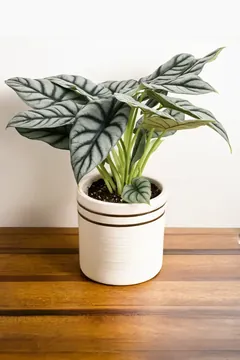
Alocasia Silver DragonAlocasia Silver Dragon needs brighWater Alocasia Silver Dragon wToxic to petsCare guide
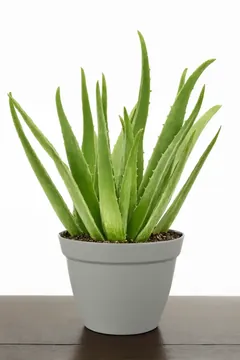
Aloe VeraAloe Vera needs bright, direct ligAllow Aloe Vera's soil to dry Toxic to petsCare guide
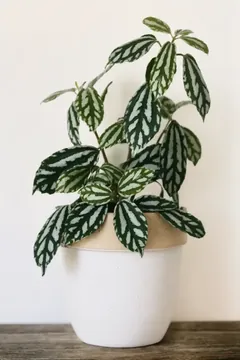
Aluminum PlantAluminum Plant prefers bright, indWater Aluminum Plant when the Safe for cats & dogsCare guide
Areca PalmAreca Palm thrives in bright, indiWater Areca Palm when the topsSafe for cats & dogsCare guide
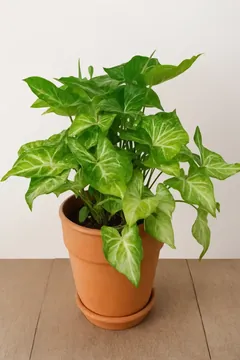
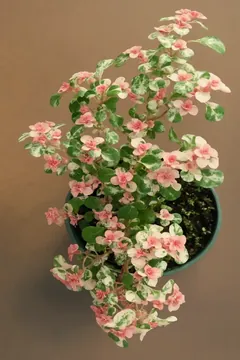
Arrowhead PlantArrowhead Plant accepts low to medKeep Arrowhead Plant consistenToxic to petsCare guide
Artillery PlantArtillery Plant prefers bright, inKeep Artillery Plant's soil coSafe for cats & dogsCare guide
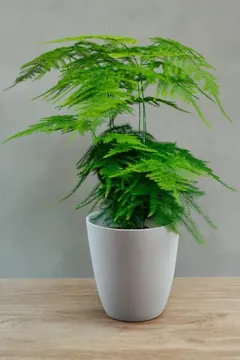
Asparagus FernAsparagus Fern grows best in brighKeep Asparagus Fern evenly moiToxic to petsCare guide
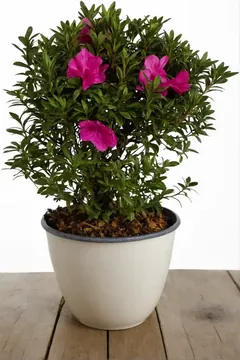
AzaleaAzalea prefers bright, indirect liWater Azalea when the topsoil Toxic to petsCare guide

African Mask Plant

Alocasia × mortfontanensis

  • LightAfrican Mask Plant grows best in bright, indirect light…
  • WaterKeep African Mask Plant evenly moist, but never leave the…
  • ToxicityToxic to pets
  • Mature sizeIndoors, it can grow 2 to 3 ft / 60 to…

African Mask Plant is a bold tropical foliage plant with broad, glossy, arrow-shaped leaves. Deep green surfaces highlight strong silver-white veins. Its upright form brings structure and contrast to an indoor collection. It suits growers who can provide steady moisture, warmth, humidity, and filtered light. Care is more demanding than for many common houseplants, especially during winter dormancy.

Shop this plant Full care guide →
Care notes

African Mask Plant grows best in bright, indirect light measuring 150 to 250 μmol·m⁻²·s⁻¹.

  • Place it 5 ft / 1.5 m from a south, west, or east-facing window, without a direct view of the sky.
  • If sunlight reaches the foliage, soften it with a sheer curtain. Strong direct sun can scorch or bleach the leaves.
  • Too little light slows growth and may lead to smaller leaves.
  • A PAR meter or PAR meter app can measure photosynthetically active radiation as PPFD (μmol·m⁻²·s⁻¹).

African Milk Tree

Euphorbia trigona

  • LightAfrican Milk Tree prefers bright, indirect light at 150 to…
  • WaterLet the potting mix dry completely before watering African…
  • ToxicityToxic to pets
  • Mature sizeIndoors, it can eventually reach 6 to 9…

African Milk Tree is a tall succulent with upright, branching stems. Each stem has three angled sides, raised ridges, and small leaves that do not last long. Mature plants may also produce small white flowers. Its sculptural shape works well in bright rooms with limited floor space. It is easy to maintain when given strong filtered light, dry soil, and careful handling.

Shop this plant Full care guide →
Care notes

African Milk Tree prefers bright, indirect light at 150 to 250 μmol·m⁻²·s⁻¹.

  • Set it 5 ft / 1.5 m from a south, west, or east-facing window, where it lacks a direct view of the sky.
  • Filter unavoidable direct sunlight with a sheer curtain. Sudden exposure can scorch stems and leaves.
  • Weak light may cause thin, leaning, or stretched growth.
  • A PAR meter or PAR meter app can check photosynthetically active radiation as PPFD (μmol·m⁻²·s⁻¹).

African Violet

Saintpaulia ionantha

  • LightAfrican Violet flowers best in bright, indirect light…
  • WaterWater African Violet when the topsoil feels dry. Bottom…
  • ToxicitySafe for cats & dogs
  • Mature sizeA full-grown plant generally reaches 6…

African Violet is a compact perennial that forms a neat rosette of soft, velvety leaves. Colorful flowers rise above the foliage and may appear in many shades. Its small size suits shelves, desks, and bright windowsills. It can bloom for long periods when light, moisture, and temperature remain stable. Beginners can grow it, although careful watering helps prevent marked or damaged leaves.

Shop this plant Full care guide →
Care notes

African Violet flowers best in bright, indirect light measuring 150 to 250 μmol·m⁻²·s⁻¹.

  • Place it 5 ft / 1.5 m from a south, west, or east-facing window, without a direct view of the sky.
  • Use a sheer curtain if direct sun reaches the leaves. Harsh light can bleach foliage or create scorched patches.
  • Too little light reduces blooming and encourages stretched growth.
  • A PAR meter or PAR meter app can measure photosynthetically active radiation as PPFD (μmol·m⁻²·s⁻¹).

Air Plant

Tillandsia ionantha

  • LightAir Plant prefers bright, indirect light at 150 to 250…
  • WaterAir Plant needs a complete soak rather than conventional…
  • ToxicitySafe for cats & dogs
  • Mature sizeIt may grow 6 to 8 in / 15 to 20 cm…

Air Plant is a small bromeliad that forms a tidy rosette without growing in soil. Its narrow, silvery-green leaves absorb moisture and nutrients from the air. The foliage turns red as flowering approaches, adding seasonal color. It suits open displays, mounted arrangements, and small spaces. Care is simple if the plant receives bright filtered light, regular soaking, and enough airflow to dry fully afterward.

Shop this plant Full care guide →
Care notes

Air Plant prefers bright, indirect light at 150 to 250 μmol·m⁻²·s⁻¹.

  • Position it 5 ft / 1.5 m from a south, west, or east-facing window, without an open view of the sky.
  • Filter direct sunlight with a sheer curtain. Strong sun can dry and scorch the thin leaves.
  • Too little light may slow growth, delay flowering, and weaken the rosette.
  • Check photosynthetically active radiation as PPFD (μmol·m⁻²·s⁻¹) with a PAR meter or PAR meter app.

Alocasia Silver Dragon

Alocasia baginda

  • LightAlocasia Silver Dragon needs bright, indirect light…
  • WaterWater Alocasia Silver Dragon when the topsoil feels dry…
  • ToxicityToxic to pets
  • Mature sizesee care guide

Alocasia Silver Dragon is grown for thick, heart-shaped leaves with a metallic silvery-green surface. Dark green veins form a raised pattern across each blade. Its compact, sculptural foliage stands out on a table or plant shelf. This Alocasia suits experienced growers who can maintain warmth, high humidity, filtered light, and careful watering. Sudden changes in moisture or temperature may quickly affect its leaves.

Shop this plant Full care guide →
Care notes

Alocasia Silver Dragon needs bright, indirect light measuring 150 to 250 μmol·m⁻²·s⁻¹.

  • Keep it 5 ft / 1.5 m from a south, west, or east-facing window, with no direct view of the sky.
  • Filter unavoidable sun through a sheer curtain. Direct rays may bleach or scorch its textured foliage.
  • Insufficient light causes slow growth, smaller leaves, and longer stems.
  • A PAR meter or PAR meter app can measure photosynthetically active radiation as PPFD (μmol·m⁻²·s⁻¹).

Aloe Vera

Aloe vera

  • LightAloe Vera needs bright, direct light between 250 to 1000…
  • WaterAllow Aloe Vera's soil to dry completely before watering…
  • ToxicityToxic to pets
  • Mature sizeIndoors, it can grow 1 to 2 ft / 30 to…

Aloe Vera is a sturdy succulent that forms a rosette of thick green leaves. Each fleshy leaf has small spikes along its edges and stores water for dry periods. Its clean shape works well on sunny windowsills and in bright rooms. It is easy to grow when given strong light, a draining mix, and infrequent watering. Owners should also consider its toxicity before placing it near pets or children.

Shop this plant Full care guide →
Care notes

Aloe Vera needs bright, direct light between 250 to 1000 μmol·m⁻²·s⁻¹ and at least 6 hours of direct sun each day.

  • Place it within 2 ft / 60 cm of a south or southwest-facing window, with an unobstructed view of the sky.
  • Introduce stronger sun gradually. Sudden intense exposure can scorch leaves, while poor light causes weak, stretched growth.
  • A grow light can supplement shorter winter days.
  • Use a PAR meter or PAR meter app to check photosynthetically active radiation as PPFD (μmol·m⁻²·s⁻¹).

Aluminum Plant

Pilea cadierei

  • LightAluminum Plant prefers bright, indirect light between 150…
  • WaterWater Aluminum Plant when the topsoil feels dry. Check the…
  • ToxicitySafe for cats & dogs
  • Mature sizeIt reaches about 1 ft / 30 cm tall and…

Aluminum Plant is a compact evergreen perennial with bushy, upright growth. Its green leaves carry bright silver markings that resemble brushed metal. Stems may spread or droop as they lengthen, making the plant useful in pots or mixed displays. It is easy to maintain under stable indoor conditions. Regular pinching keeps growth dense, while filtered light preserves the strong contrast in its patterned foliage.

Shop this plant Full care guide →
Care notes

Aluminum Plant prefers bright, indirect light between 150 to 250 μmol·m⁻²·s⁻¹.

  • Position it 5 ft / 1.5 m from a south, west, or east-facing window, without a direct view of the sky.
  • Filter unavoidable sunlight through a sheer curtain. Harsh direct rays can fade markings or scorch leaves.
  • Too little light leads to long stems, sparse growth, and weaker silver coloring.
  • A PAR meter or PAR meter app can measure photosynthetically active radiation as PPFD (μmol·m⁻²·s⁻¹).

Areca Palm

Dypsis lutescens

  • LightAreca Palm thrives in bright, indirect light measuring 150…
  • WaterWater Areca Palm when the topsoil feels dry. Check below…
  • ToxicitySafe for cats & dogs
  • Mature sizeIndoors, it can reach 6 to 10 feet / 1

Areca Palm grows as a dense clump of smooth, ringed trunks with a golden-yellow tone. Long, arching fronds divide into narrow green leaflets, creating a soft, feathery look similar to bamboo. It can become a large floor plant and needs room to spread. This palm suits bright interiors where moisture remains steady. Dry air, excess salts, and poor drainage can damage the leaf tips.

Shop this plant Full care guide →
Care notes

Areca Palm thrives in bright, indirect light measuring 150 to 250 μmol·m⁻²·s⁻¹.

  • Place it 5 ft / 1.5 m from a south, west, or east-facing window, where it has no direct view of the sky.
  • Use a sheer curtain if direct sunlight reaches the fronds. Strong rays may bleach or scorch them.
  • Too little light slows growth and can produce sparse, weak fronds.
  • Measure photosynthetically active radiation as PPFD (μmol·m⁻²·s⁻¹) with a PAR meter or PAR meter app.

Arrowhead Plant

Syngonium podophyllum

  • LightArrowhead Plant accepts low to medium light between 50 to…
  • WaterKeep Arrowhead Plant consistently moist, but never soggy…
  • ToxicityToxic to pets
  • Mature sizeIt can reach 1 to 2 ft / 30 to 60 cm…

Arrowhead Plant is a tropical vine with glossy leaves that begin in a clear arrow shape. Foliage may be solid green or patterned with white, cream, or pink. Young plants stay compact, while older stems climb or trail. It is adaptable and easy to grow in lower indoor light. This plant suits shelves, hanging pots, or supports, but its toxic tissues require careful placement around pets and children.

Shop this plant Full care guide →
Care notes

Arrowhead Plant accepts low to medium light between 50 to 150 μmol·m⁻²·s⁻¹.

  • Place it 8 ft / 2.5 m from a north, east, or west-facing window.
  • It suits a low-light position where you can comfortably read a book without artificial lighting.
  • Strong direct sun may bleach or scorch its leaves. Very dim light can slow growth and weaken variegation.
  • A PAR meter or PAR meter app can measure photosynthetically active radiation as PPFD (μmol·m⁻²·s⁻¹).

Artillery Plant

Pilea microphylla

  • LightArtillery Plant prefers bright, indirect light between 150…
  • WaterKeep Artillery Plant's soil consistently moist without…
  • ToxicitySafe for cats & dogs
  • Mature sizeIt reaches 6 to 12 in / 15 to 30 cm…

Artillery Plant is a small, spreading Pilea with many rounded leaves on fine stems. Its foliage may combine green and white, creating a soft, textured mound. Tiny flowers release pollen with a sudden burst, which inspired the common name. The plant fits terrariums, small pots, and mixed displays. It is easy to grow when kept warm, evenly moist, and protected from harsh direct sunlight.

Shop this plant Full care guide →
Care notes

Artillery Plant prefers bright, indirect light between 150 to 250 μmol·m⁻²·s⁻¹.

  • Set it 5 ft / 1.5 m from a south, west, or east-facing window, without a direct view of the sky.
  • Use a sheer curtain where direct sun is unavoidable. Strong sunlight may scorch or bleach the tiny leaves.
  • Too little light can produce thin stems, sparse growth, and weaker variegation.
  • Use a PAR meter or PAR meter app to measure photosynthetically active radiation as PPFD (μmol·m⁻²·s⁻¹).

Asparagus Fern

Asparagus setaceus

  • LightAsparagus Fern grows best in bright, indirect light…
  • WaterKeep Asparagus Fern evenly moist, but do not leave the…
  • ToxicityToxic to pets
  • Mature sizeDepending on support and pruning, it…

Asparagus Fern has fine, lacy foliage carried on long arching or trailing stems. Although it resembles a fern, it belongs to the asparagus family. Its airy shape works in hanging baskets, tabletop pots, or larger floor displays. It is fairly easy to grow with steady moisture and filtered light. Mature stems may become long and tangled, while dry conditions can make the delicate foliage shed.

Shop this plant Full care guide →
Care notes

Asparagus Fern grows best in bright, indirect light measuring 150 to 250 μmol·m⁻²·s⁻¹.

  • Position it 5 ft / 1.5 m from a south, west, or east-facing window, without a direct view of the sky.
  • Use a sheer curtain to filter unavoidable direct sun. Harsh rays can yellow or scorch the fine foliage.
  • Too little light creates weak, sparse, or stretched stems.
  • A PAR meter or PAR meter app can check photosynthetically active radiation as PPFD (μmol·m⁻²·s⁻¹).

Azalea

Rhododendron

  • LightAzalea prefers bright, indirect light measuring 150 to 250…
  • WaterWater Azalea when the topsoil feels dry. Check moisture…
  • ToxicityToxic to pets
  • Mature sizeIndoors, it can grow 2 to 4 ft / 60 to…

Azalea is an evergreen shrub grown indoors for its abundant spring flowers. Some plants produce a smaller second display in fall. Glossy, dark green leaves create a dense background for blooms in several colors. It suits cool, bright rooms where moisture and soil acidity can be managed. Warm, dry conditions shorten flowering, so it may require more attention than a typical foliage houseplant.

Shop this plant Full care guide →
Care notes

Azalea prefers bright, indirect light measuring 150 to 250 μmol·m⁻²·s⁻¹.

  • Place it 5 ft / 1.5 m from a south, west, or east-facing window, without a direct view of the sky.
  • Filter direct sunlight through a sheer curtain. Strong rays may scorch foliage and shorten the flower display.
  • Too little light reduces blooming and leads to weak, sparse growth.
  • Use a PAR meter or PAR meter app to measure photosynthetically active radiation as PPFD (μmol·m⁻²·s⁻¹).

Questions about plants that start with A

How many indoor plants start with A?

12, as listed on this page.

Is African Mask Plant safe for cats and dogs?

Toxic to pets. African Mask Plant is toxic to people, cats, and dogs. The ASPCA lists Alocasia plants as toxic to cats and dogs. Their tissues contain insoluble calcium oxalate crystals. Chewing may cause mouth pain, drooling, swelling, or vomiting. Keep it away from children and pets.

How much light does an African Mask Plant need?

African Mask Plant grows best in bright, indirect light measuring 150 to 250 μmol·m⁻²·s⁻¹.Place it 5 ft / 1.5 m from a south, west, or east-facing window, without a direct view of the sky. If sunlight reaches the foliage, soften it with a sheer curtain. Strong direct sun can scorch or bleach the lea

How do I know which of these plants suits my room?

Sort by the facts strip: low-light plants for north-facing rooms, pet-safe names if you have a cat or dog, and the smaller species for shelves and desks.