This indoor plant pests guide helps readers recognise common signs of infestation, separate pest damage from care problems and choose a sensible response. It covers inspection, isolation, cleaning and follow-up rather than relying on a single treatment for every symptom. Use the guide to narrow down what you see, then consult the relevant plant page to account for that species’ light, water and care needs. The associated pages include African Milk Tree, Dragon Tree, English Ivy and Staghorn Fern. Correct identification matters because spots, yellowing or leaf loss can also result from watering, light, temperature or root problems rather than insects.
LightAfrican Milk Tree prefers bright, indirect light at 150 to…
WaterLet the potting mix dry completely before watering African…
ToxicityToxic to pets
Mature sizeIndoors, it can eventually reach 6 to 9…
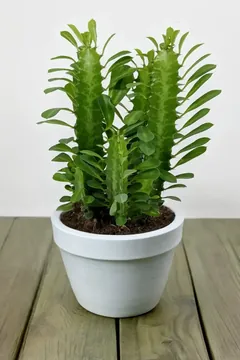
African Milk Tree is a tall succulent with upright, branching stems. Each stem has three angled sides, raised ridges, and small leaves that do not last long. Mature plants may also produce small white flowers. Its sculptural shape works well in bright rooms with limited floor space. It is easy to maintain when given strong filtered light, dry soil, and careful handling.
LightCape Jasmine needs bright indirect light at 150 to 250…
WaterKeep Cape Jasmine soil consistently moist, but not soggy…
ToxicityToxic to pets
Mature sizeIndoors, it may eventually reach 3 to 6…
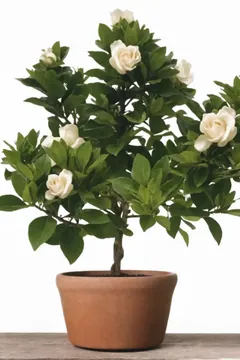
Cape Jasmine is a compact, bushy evergreen shrub with glossy green leaves. Its fragrant white flowers provide the main attraction and stand out against the dark foliage. The plant can become a refined indoor specimen when its light, moisture, acidity, warmth, and humidity remain stable. It suits experienced growers who enjoy fragrant blooms and do not mind monitoring conditions closely. Sudden environmental changes can affect buds and leaves.
LightCooper’s Haworthia prefers bright indirect light of 150 to…
WaterLet the soil dry out completely before watering Cooper’s…
ToxicitySafe for cats & dogs
Mature sizesee care guide
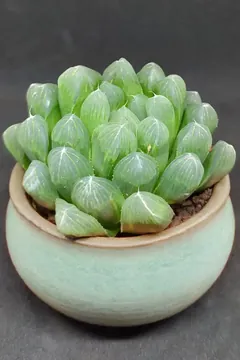
Cooper’s Haworthia is a small succulent that forms tidy clumps of fleshy leaves. Each triangular leaf sits within a compact rosette, often showing a translucent tip that lets light enter. Its limited size makes it useful on windowsills, desks, or narrow shelves. It is easy to maintain when given filtered light, gritty soil, and long drying periods.
LightDragon Tree grows best in bright indirect light at 150 to…
WaterWater Dragon Tree when the top half of the soil has dried…
ToxicityToxic to pets
Mature sizeIts eventual spread is 2 to 3 ft / 0
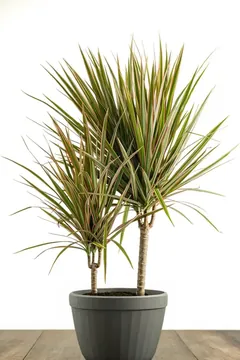
Dragon Tree is an upright houseplant with one or several slender trunks. Narrow, sword-shaped leaves form tufts near the tops, and red edges add subtle color. Its tall, spare outline works well where floor space is limited. It is widely grown for its easy care, tree-like shape, and ability to serve as a strong vertical accent indoors.
LightDwarf Elephant Ear prefers bright indirect light at 150 to…
WaterWater Dwarf Elephant Ear when the topsoil becomes dry to…
ToxicityToxic to pets
Mature sizeIt can eventually reach 3 to 4 ft / 90…
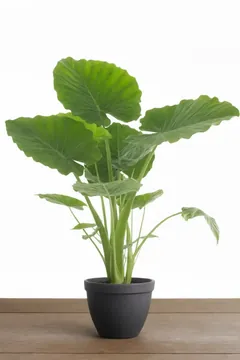
Dwarf Elephant Ear is an evergreen perennial with broad leaves shaped like elephant ears. Each leaf rises on a green petiole, creating a full tropical clump. Its smaller scale makes it easier to place indoors than many large Alocasias. It suits attentive growers who can maintain warm conditions, high humidity, bright filtered light, and evenly managed soil moisture.
LightEnglish Ivy prefers medium to bright indirect light at 150…
WaterWater English Ivy when the topsoil feels dry to the touch…
ToxicityToxic to pets
Mature sizesee care guide
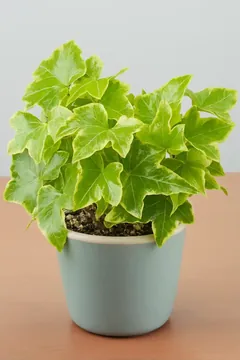
English Ivy is a climbing or trailing vine with glossy, lobed leaves. Cultivars offer many leaf shapes and combinations of green, white, gray, or yellow. Its flexible stems can spill from baskets or climb a support. It suits growers who can provide cool conditions, bright filtered light, and regular pruning. Its toxic foliage makes careful placement important in homes with children or pets.
LightFiddle Leaf Fig needs bright indirect light at 150 to 250…
WaterDuring active growth, water Fiddle Leaf Fig when the top…
ToxicityToxic to pets
Mature sizeIndoors, it can grow 6 to 10 ft / 1
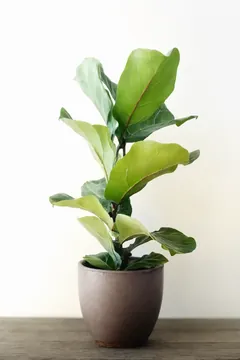
Fiddle Leaf Fig is an upright, single-stemmed indoor tree with large, glossy leaves. Their broad shape narrows through the middle, resembling a fiddle. Deep green foliage and a strong vertical form make it a dramatic floor plant. It suits experienced growers who can provide consistent light, careful watering, stable warmth, and enough room for its broad canopy.
WaterWater Mini Monstera when the topsoil feels dry. Check the…
ToxicityToxic to pets
Mature sizeSupported vines can grow 6 to 10 ft / 1
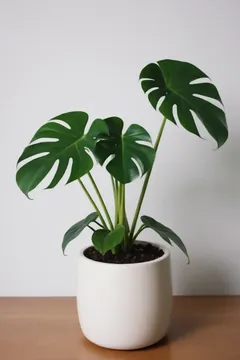
Mini Monstera is a fast-climbing tropical vine with glossy green leaves and deep natural splits. Its foliage resembles a smaller Monstera deliciosa, though the plants are not the same species. The vine benefits from a pole, trellis, or other vertical support. It suits growers who want a dramatic climber without the huge leaves of a mature Swiss Cheese Plant, but its sap and foliage are toxic.
LightPurple Heart Plant needs bright, direct light from 250 to…
WaterWater Purple Heart Plant when the topsoil feels dry. Check…
ToxicityToxic to pets
Mature sizeIt grows 1 to 2 ft / 30 to 60 cm tall…
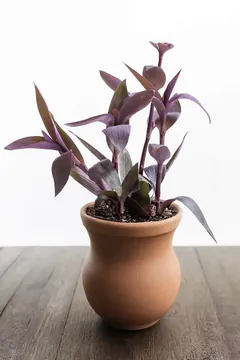
Purple Heart Plant is a trailing evergreen with narrow, boat-shaped leaves in a rich purple shade. Its stems spread readily, creating a dense cascade in pots or hanging containers. Strong light helps maintain the deepest foliage color. It suits growers seeking a fast-growing vine, but its toxic and irritating plant material makes placement important around pets and children.
LightStaghorn Fern grows best in bright indirect light at 150 to…
WaterSoak the entire Staghorn Fern in rainwater for 20 to 30…
ToxicitySafe for cats & dogs
Mature sizesee care guide
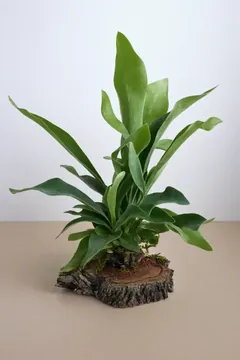
Staghorn Fern is an epiphytic fern with two very different frond types. Flat, rounded sterile fronds cover its base and help gather moisture and nutrients. Large fertile fronds grow upward and divide into antler-like forks. Mature plants make striking wall-mounted displays, while young plants can begin in an epiphyte mix. This easy fern suits growers who can provide regular soaking, filtered light, humidity, and airflow.
Inspect leaf undersides, stems, growing tips and the surface of the mix for insects, webbing, sticky residue, bumps or distorted new growth. Compare those signs with recent changes in care.
What should I do first when I find pests?
Move the affected plant away from others and inspect nearby plants. Remove visible pests where practical and identify the problem before choosing a treatment.
Can yellow leaves be caused by something other than pests?
Yes. Watering errors, unsuitable light, root stress and temperature changes can also cause yellowing.
How can I treat an infestation without harming the plant?
Choose a treatment appropriate to both the identified pest and the plant, test it on a small area and follow its directions. Repeat inspections because one application may not reach every life stage.
How can I prevent indoor plant pests?
Inspect new plants before placing them with a collection, keep foliage and pots clean, and avoid care conditions that leave plants stressed. Check regularly so small problems are noticed early.
Why do pests return after treatment?
Eggs or hidden insects may have survived, nearby plants may also be affected, or follow-up treatment may have been missed. Reinspect the whole collection and continue the appropriate control cycle.
Care data checked 25 September 2026 · Dany · A-Z Plants