A-Z Plants

Home › Plants that start with S

Indoor plants A-Z

Plants That Start With S

19 indoor plants begin with S: Sago Palm, Satin Pothos, Scarlet Star, Silver Torch, Snake Plant, Spanish Moss. Every entry below shows the facts you came for first: light, water, toxicity and mature size, with the full care guide one click away. 8 of them are safe for cats and dogs.

PlantLightWaterPet-safe
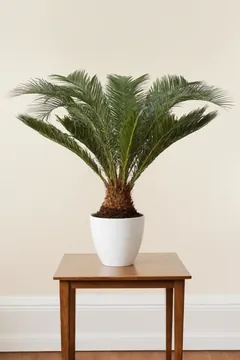
Sago PalmSago Palm prefers bright indirect Allow the soil to dry completeToxic to petsCare guide
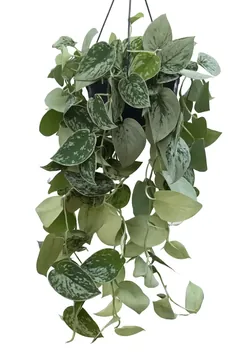
Satin PothosSatin Pothos grows best in bright Water Satin Pothos when the toToxic to petsCare guide
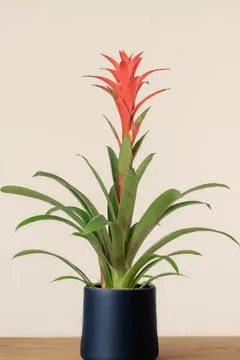
Scarlet StarScarlet Star prefers bright indireKeep fresh water in the centraSafe for cats & dogsCare guide
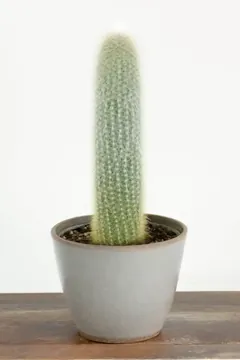
Silver TorchSilver Torch requires bright direcLet the soil dry completely beNot ASPCA-listedCare guide
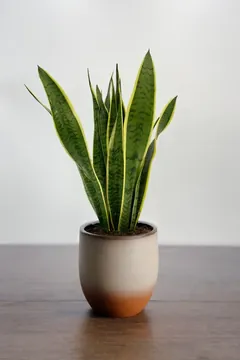
Snake PlantBright, indirect light in the 50 tLet the Snake Plant's soil dryToxic to petsCare guide
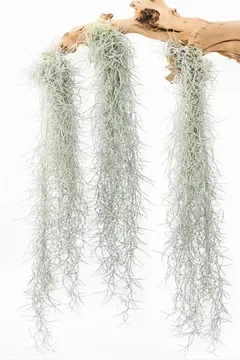
Spanish MossSpanish Moss prefers bright indireSoak the entire Spanish Moss pSafe for cats & dogsCare guide
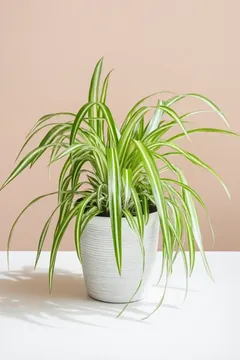
Spider PlantSpider Plant prefers bright indireKeep Spider Plant consistentlySafe for cats & dogsCare guide
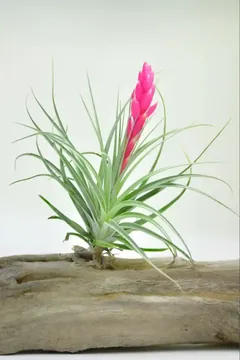
Spotted Air PlantSpotted Air Plant needs bright indSoak the entire Spotted Air PlNot ASPCA-listedCare guide
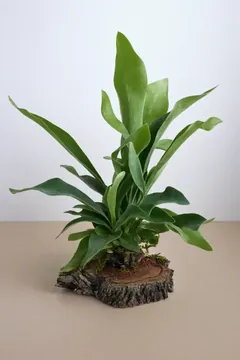
Staghorn FernStaghorn Fern grows best in brightSoak the entire Staghorn Fern Safe for cats & dogsCare guide
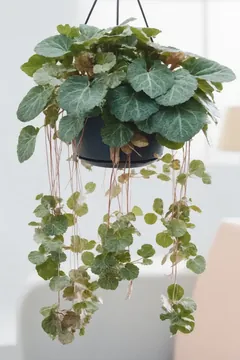
Strawberry BegoniaStrawberry Begonia prefers bright Water Strawberry Begonia when Safe for cats & dogsCare guide
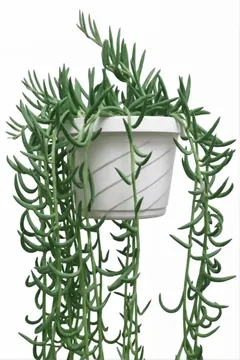
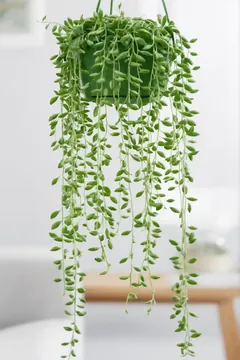
String of BananasString of Bananas needs bright indAllow the potting mix to dry cToxic to petsCare guide
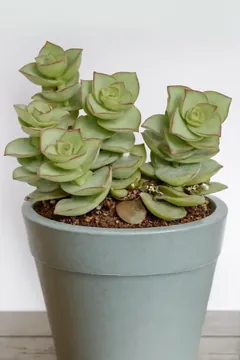
String of ButtonsString of Buttons prefers bright iAllow the soil to dry completeToxic to petsCare guide
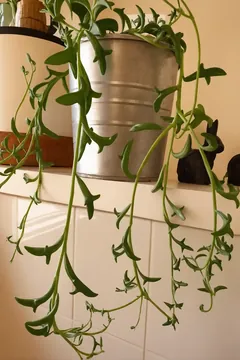
String of DolphinsString of Dolphins requires brightAllow the potting mix to dry cToxic to petsCare guide
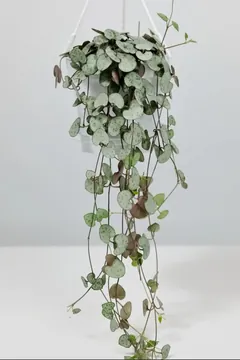
String of HeartsString of Hearts grows best in briLet the potting mix dry compleSafe for cats & dogsCare guide
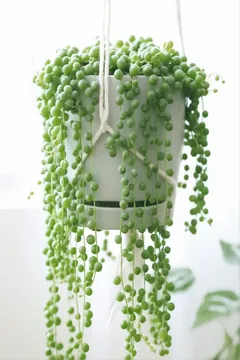
String of PearlsString of Pearls prefers bright, iWait until the soil has dried Toxic to petsCare guide
String of TearsGive String of Tears bright, indirAllow the entire potting mix tSafe for cats & dogsCare guide
Swedish IvySwedish Ivy performs best in brighLet the soil become almost drySafe for cats & dogsCare guide
Swiss Cheese PlantSwiss Cheese Plant prefers bright,Water Swiss Cheese Plant afterToxic to petsCare guide
Swiss Cheese VineSwiss Cheese Vine grows well underWater Swiss Cheese Vine when tToxic to petsCare guide

Sago Palm

Cycas revoluta

  • LightSago Palm prefers bright indirect light at 150 to 250…
  • WaterAllow the soil to dry completely before watering Sago Palm…
  • ToxicityToxic to pets
  • Mature sizeA mature specimen may eventually stand…

Sago Palm is an evergreen cycad, not a true palm. It develops a balanced rosette of stiff, glossy, dark green leaves with a feather-like form. Growth is extremely slow, so it changes little from year to year indoors. The structured shape works well as a long-term floor plant. It suits patient growers, but its serious toxicity makes it unsuitable for homes where children or pets can reach it.

Shop this plant Full care guide →
Care notes

Sago Palm prefers bright indirect light at 150 to 250 μmol·m⁻²·s⁻¹ PPFD. Use a PAR meter or app if you need to confirm the level.

  • Placement: set it 5 ft / 1.5 m from a south, west, or east-facing window.
  • Keep the leaves from having a direct view of the sky. A sheer curtain can filter unavoidable sun.
  • Too much light: sudden, strong exposure may bleach or burn the fronds.
  • Too little light: new leaves may become weak, sparse, or stretched toward the window.

Satin Pothos

Scindapsus pictus

  • LightSatin Pothos grows best in bright indirect light at 150 to…
  • WaterWater Satin Pothos when the topsoil feels dry. Check below…
  • ToxicityToxic to pets
  • Mature sizeIts climbing or trailing stems can…

Satin Pothos is a trailing vine with soft-looking, heart-shaped leaves. The dark green foliage has a velvety surface and silvery-grey splashes that catch the light. Stems can trail from a shelf or hanging planter, or climb a support. It is easy to grow when drainage is good. This plant suits beginners seeking patterned foliage, but it must be kept away from children and pets because it is toxic.

Shop this plant Full care guide →
Care notes

Satin Pothos grows best in bright indirect light at 150 to 250 μmol·m⁻²·s⁻¹ PPFD. A PAR meter or app can confirm whether the site is bright enough.

  • Placement: keep it 5 ft / 1.5 m from a south, west, or east-facing window.
  • Avoid a direct view of the sky. Add a sheer curtain if sun reaches the foliage.
  • Too much light: strong direct rays can bleach the silver pattern and scorch leaves.
  • Too little light: growth slows, gaps lengthen between leaves, and variegation may become less distinct.

Scarlet Star

Guzmania lingulata

  • LightScarlet Star prefers bright indirect light at 150 to 250…
  • WaterKeep fresh water in the central cup of Scarlet Star. Flush…
  • ToxicitySafe for cats & dogs
  • Mature sizeA full rosette can reach 1 to 2 ft / 30…

Scarlet Star is a bromeliad that forms a central rosette of stiff, sword-shaped leaves. The overlapping bases create a cup that naturally holds water. A bright central bract, which is a modified leaf, provides the display commonly mistaken for a flower. Its tidy shape and long-lasting color suit tabletops and shelves. It is easy indoors when the cup stays fresh and the root mix remains airy.

Shop this plant Full care guide →
Care notes

Scarlet Star prefers bright indirect light at 150 to 250 μmol·m⁻²·s⁻¹ PPFD. A PAR meter or app can help check the site.

  • Placement: keep it 5 ft / 1.5 m from a south, west, or east-facing window.
  • The leaves should not have a direct view of the sky. Filter unavoidable sunlight through a sheer curtain.
  • Too much light: foliage and colorful bracts can fade or scorch.
  • Too little light: growth slows, the rosette weakens, and future color may be poor.

Silver Torch

Cleistocactus strausii

  • LightSilver Torch requires bright direct light at 250 to 1000…
  • WaterLet the soil dry completely before watering Silver Torch…
  • ToxicityNot ASPCA-listed
  • Mature sizeIndoors, established columns can reach…

Silver Torch is a columnar cactus with slender silver-grey stems covered by dense, short white spines. Mature specimens may produce deep red-magenta flowers during spring and summer. Its upright form brings height without broad foliage, although older clumps eventually need substantial room. This cactus suits bright, dry indoor sites and growers who prefer infrequent watering. The sharp covering makes careful placement and handling important.

Shop this plant Full care guide →
Care notes

Silver Torch requires bright direct light at 250 to 1000 μmol·m⁻²·s⁻¹ PPFD. Provide 6+ hours of direct sunlight each day.

  • Placement: keep it within 2 ft / 60 cm of a south or southwest-facing window.
  • Give the cactus an unobstructed view of the sky. A PAR meter or app can verify light levels.
  • Too much light: a sudden move into harsh sun may scorch the columns.
  • Too little light: stems may become thin or stretched. Grow lights can support it during shorter winter days.

Snake Plant

Sansevieria trifasciata

  • LightBright, indirect light in the 50 to 250 μmol·m⁻²·s⁻¹ PPFD…
  • WaterLet the Snake Plant's soil dry completely before watering…
  • ToxicityToxic to pets
  • Mature sizeExpect an eventual height of 2 to 4 ft…

The Snake Plant, Sansevieria trifasciata, is an upright succulent grown for its stiff, sword-like foliage. Leaves may be solid green or patterned with yellow or white variegation. Its strong vertical shape fits narrow indoor spaces, while its easy care suits new plant owners. It grows slowly and tolerates low light, though brighter indirect light supports better color and growth.

Shop this plant Full care guide →
Care notes

Bright, indirect light in the 50 to 250 μmol·m⁻²·s⁻¹ PPFD range supports healthy Snake Plant growth, though it can tolerate low light.

  • Placement: set it 5 to 8 ft / 1.5 to 2.5 m from a north, south, west or east-facing window. Position it without a direct view of the sky.
  • Too much light: direct sunlight can scorch the leaves. If exposure is unavoidable, filter it through a sheer curtain.
  • Too little light: the plant may survive, but growth slows and variegated colors can fade.
  • A PAR meter or PAR meter app can measure photosynthetically active radiation as PPFD (μmol·m⁻²·s⁻¹).

Spanish Moss

Tillandsia usneoides

  • LightSpanish Moss prefers bright indirect light at 150 to 250…
  • WaterSoak the entire Spanish Moss plant in rainwater for 20 to…
  • ToxicitySafe for cats & dogs
  • Mature sizeA hanging mass may spread about 12 to…

Spanish Moss is an epiphytic air plant with long, cascading strands of silvery-green foliage. It grows without soil and takes moisture from the air and regular soaking. Although often seen hanging from trees in tropical and subtropical areas, it is non-parasitic and does not feed on its support. Indoors, it suits hanging displays where air can move freely through the strands and excess water can drain away.

Shop this plant Full care guide →
Care notes

Spanish Moss prefers bright indirect light at 150 to 250 μmol·m⁻²·s⁻¹ PPFD. A PAR meter or app can check the available intensity.

  • Placement: hang it about 5 ft / 1.5 m from a south, west, or east-facing window.
  • Avoid a direct view of the sky. Use a sheer curtain when direct sunlight cannot be avoided.
  • Too much light: exposed strands may bleach, dry, or scorch.
  • Too little light: growth becomes sparse and moisture evaporates too slowly, increasing the risk of decline.

Spider Plant

Chlorophytum comosum

  • LightSpider Plant prefers bright indirect light but tolerates…
  • WaterKeep Spider Plant consistently moist, but never leave the…
  • ToxicitySafe for cats & dogs
  • Mature sizeThe central foliage reaches about 1 to…

Spider Plant forms a fountain of narrow, arching leaves that are often striped with white. Mature plants send out long stems bearing small white flowers and young plantlets called spiderettes. These offsets make the plant especially useful in hanging baskets or on high shelves. It tolerates a range of indoor light and is easy to propagate, making it a practical choice for beginners and busy growers.

Shop this plant Full care guide →
Care notes

Spider Plant prefers bright indirect light but tolerates low light, within 50 to 250 μmol·m⁻²·s⁻¹ PPFD. A PAR meter or app can confirm the level.

  • Placement: keep it 5 to 8 ft / 1.5 to 2.5 m from a north, south, west, or east-facing window.
  • Avoid an open view of the sky. Use a sheer curtain if direct sun reaches the leaves.
  • Too much light: foliage may bleach or develop scorched patches.
  • Too little light: growth slows, variegation weakens, and fewer flowers or spiderettes may appear.

Spotted Air Plant

Tillandsia stricta

  • LightSpotted Air Plant needs bright indirect light at 150 to 250…
  • WaterSoak the entire Spotted Air Plant in rainwater for 20 to 30…
  • ToxicityNot ASPCA-listed
  • Mature sizeDepending on the form and conditions…

Spotted Air Plant is a clump-forming epiphyte that grows without potting soil. Its green to grayish-green leaves form a neat rosette and absorb moisture through their surfaces. In early summer, mature plants can produce bright red or pink flower spikes with blue flowers. This compact species suits mounted displays and small indoor collections. It is easy when given filtered light, weekly soaking, and enough airflow to dry properly.

Shop this plant Full care guide →
Care notes

Spotted Air Plant needs bright indirect light at 150 to 250 μmol·m⁻²·s⁻¹ PPFD. A PAR meter or app can help measure the site.

  • Placement: display it 5 ft / 1.5 m from a south, west, or east-facing window.
  • Do not give the rosette a direct view of the sky. Filter unavoidable sunlight with a sheer curtain.
  • Too much light: leaf tips can bleach, dry, or scorch.
  • Too little light: growth slows, flowering may decline, and the plant can remain wet for too long after soaking.

Staghorn Fern

Platycerium bifurcatum

  • LightStaghorn Fern grows best in bright indirect light at 150 to…
  • WaterSoak the entire Staghorn Fern in rainwater for 20 to 30…
  • ToxicitySafe for cats & dogs
  • Mature sizesee care guide

Staghorn Fern is an epiphytic fern with two very different frond types. Flat, rounded sterile fronds cover its base and help gather moisture and nutrients. Large fertile fronds grow upward and divide into antler-like forks. Mature plants make striking wall-mounted displays, while young plants can begin in an epiphyte mix. This easy fern suits growers who can provide regular soaking, filtered light, humidity, and airflow.

Shop this plant Full care guide →
Care notes

Staghorn Fern grows best in bright indirect light at 150 to 250 μmol·m⁻²·s⁻¹ PPFD. A PAR meter or app can be used to verify the level.

  • Placement: keep it 5 ft / 1.5 m from a south, west, or east-facing window.
  • Do not provide a direct view of the sky. Filter unavoidable sunlight with a sheer curtain.
  • Too much light: exposed fronds may bleach, dry, or develop scorched areas.
  • Too little light: fertile fronds grow weakly, and a wet plant dries too slowly after soaking.

Strawberry Begonia

Saxifraga stolonifera

  • LightStrawberry Begonia prefers bright indirect light at 150 to…
  • WaterWater Strawberry Begonia when the top third of its soil has…
  • ToxicitySafe for cats & dogs
  • Mature sizeIts low foliage reaches 3 to 9 in / 7

Strawberry Begonia forms low rosettes of rounded, hairy leaves. The upper surfaces are dark green with silver markings, while the undersides are reddish. Slender stems carry tiny white, star-shaped flowers in summer. The plant also produces trailing growth that works well near a pot edge. Despite its common name, it is not a true begonia. It suits growers who can balance filtered light with moderate, even moisture.

Shop this plant Full care guide →
Care notes

Strawberry Begonia prefers bright indirect light at 150 to 250 μmol·m⁻²·s⁻¹ PPFD. Use a PAR meter or app if you need to measure the site.

  • Placement: set it 5 ft / 1.5 m from a south, west, or east-facing window.
  • Prevent a direct view of the sky. A sheer curtain can soften unavoidable direct sunlight.
  • Too much light: hairy leaves may bleach, scorch, or develop dry patches.
  • Too little light: stems stretch, silver markings fade, and summer flowering may become sparse.

String of Bananas

Senecio radicans

  • LightString of Bananas needs bright indirect light at 150 to 250…
  • WaterAllow the potting mix to dry completely before watering…
  • ToxicityToxic to pets
  • Mature sizeIts stems reach 1 to 2 ft / 30 to 60 cm…

String of Bananas is a trailing succulent with glossy leaves shaped like tiny bananas. Its long tendrils cascade over shelves and hanging planters, creating a dense curtain of green growth. Small white or light pink flowers may appear in spring. The plant suits bright rooms and growers who prefer the soil to dry fully between waterings. Its toxicity requires placement beyond the reach of children and pets.

Shop this plant Full care guide →
Care notes

String of Bananas needs bright indirect light at 150 to 250 μmol·m⁻²·s⁻¹ PPFD. A PAR meter or app can help confirm this range.

  • Placement: keep it 5 ft / 1.5 m from a south, west, or east-facing window.
  • Avoid giving the leaves a direct view of the sky. Filter unavoidable sun through a sheer curtain.
  • Too much light: strong direct rays may bleach or scorch the fleshy leaves.
  • Too little light: stems become sparse and stretched, with larger gaps between banana-shaped leaves.

String of Buttons

Crassula perforata

  • LightString of Buttons prefers bright indirect light but…
  • WaterAllow the soil to dry completely before watering String of…
  • ToxicityToxic to pets
  • Mature sizeIts stems can create an eventual height…

String of Buttons is a trailing succulent with plump blue-green leaves arranged closely along cascading stems. The small, rounded leaves resemble stacked buttons and create a geometric texture. It works well in hanging containers or near a shelf edge where the stems can spread. This easy plant suits growers who can offer filtered light and let the soil dry completely. Its toxicity makes careful indoor placement necessary.

Shop this plant Full care guide →
Care notes

String of Buttons prefers bright indirect light but tolerates low light, within 50 to 250 μmol·m⁻²·s⁻¹ PPFD. A PAR meter or app can measure the available level.

  • Placement: keep it 5 to 8 ft / 1.5 to 2.5 m from a north, south, west, or east-facing window.
  • Avoid an open view of the sky. Filter unavoidable direct sun with a sheer curtain.
  • Too much light: sudden strong exposure may scorch or bleach the leaves.
  • Too little light: stems stretch, spacing widens, and the compact button-like pattern becomes loose.

String of Dolphins

Senecio peregrinus

  • LightString of Dolphins requires bright direct light at 250 to…
  • WaterAllow the potting mix to dry completely before watering…
  • ToxicityToxic to pets
  • Mature sizeIts trailing growth reaches an eventual…

String of Dolphins is a trailing succulent known for leaves shaped like leaping dolphins. The unusual leaves line long, hanging tendrils that show best from a shelf or suspended planter. Its sculptural form remains compact at the crown while the stems extend downward. This easy plant suits very bright indoor spaces and growers who prefer infrequent watering. Keep it away from children and pets because the foliage is toxic.

Shop this plant Full care guide →
Care notes

String of Dolphins requires bright direct light at 250 to 1000 μmol·m⁻²·s⁻¹ PPFD. Provide 6+ hours of direct sunlight per day.

  • Placement: set it within 2 ft / 60 cm of a south or southwest-facing window.
  • Give the plant an unobstructed view of the sky. A PAR meter or app can verify the intensity.
  • Too much light: sudden exposure to harsh sun can scorch the fleshy leaves.
  • Too little light: stems stretch and the dolphin-shaped leaves may grow less distinct. Grow lights can help during shorter winter days.

String of Hearts

Ceropegia woodii

  • LightString of Hearts grows best in bright, indirect light…
  • WaterLet the potting mix dry completely before watering String…
  • ToxicitySafe for cats & dogs
  • Mature sizeIts trailing stems eventually measure 1…

String of Hearts is a trailing succulent grown for its long, cascading stems. Each stem carries plump, heart-shaped leaves with green upper surfaces. Pinkish-purple coloring appears beneath the leaves and along the stems. Its flowing habit suits hanging baskets, tall shelves, and plant stands. This easy-care choice works well for anyone who can provide bright filtered light and let the soil dry fully between waterings.

Shop this plant Full care guide →
Care notes

String of Hearts grows best in bright, indirect light measuring 150 to 250 μmol·m⁻²·s⁻¹. Enough light helps maintain compact leaves and strong trailing growth.

  • Place it 5 ft / 1.5m from a south, west or east-facing window.
  • Choose a position without a direct view of the sky. If sun reaches the foliage, soften it with a sheer curtain.
  • Weak light may cause sparse growth and wider gaps between leaves.
  • A PAR meter or PAR meter app can measure photosynthetically active radiation as PPFD (μmol·m⁻²·s⁻¹).

String of Pearls

Senecio rowleyanus

  • LightString of Pearls prefers bright, indirect light at 150 to…
  • WaterWait until the soil has dried completely before watering…
  • ToxicityToxic to pets
  • Mature sizeThe plant eventually spreads about 1 to…

String of Pearls is a trailing succulent with long stems covered in rounded, pearl-like leaves. The bead-shaped foliage stores water and gives the plant its unusual texture. It looks best spilling from a hanging basket or raised shelf. This easy-care houseplant suits growers who have bright filtered light and can resist watering too often. Its delicate stems need gentle handling during watering and repotting.

Shop this plant Full care guide →
Care notes

String of Pearls prefers bright, indirect light at 150 to 250 μmol·m⁻²·s⁻¹. Consistent light helps the stems stay full rather than bare near the pot.

  • Set the plant 5 ft / 1.5m from a south, west or east-facing window.
  • The foliage should not have a direct view of the sky. Filter unavoidable direct sunlight with a sheer curtain.
  • Strong direct sun may scorch the beads, while dim conditions can produce thin, stretched growth.
  • Check photosynthetically active radiation as PPFD (μmol·m⁻²·s⁻¹) with a PAR meter or PAR meter app.

String of Tears

Senecio herreianus

  • LightGive String of Tears bright, indirect light in the 150 to…
  • WaterAllow the entire potting mix to dry before watering String…
  • ToxicitySafe for cats & dogs
  • Mature sizesee care guide

String of Tears is a trailing succulent known for fleshy, tear-shaped leaves arranged along slender stems. Its cascading form works well in hanging baskets and on shelves where the growth can fall freely. The leaves store moisture, making this an easy plant for careful waterers. It is a practical choice for smaller indoor spaces with bright filtered light, though the fragile stems should be handled gently.

Shop this plant Full care guide →
Care notes

Give String of Tears bright, indirect light in the 150 to 250 μmol·m⁻²·s⁻¹ range. Good exposure supports dense leaves along the trailing stems.

  • Position the pot 5 ft / 1.5m from a south, west or east-facing window.
  • Use a place where the plant lacks a direct view of the sky. Hang a sheer curtain if direct sunlight cannot be avoided.
  • Harsh sun can mark or scorch the leaves. Insufficient light may make the stems thin and widely spaced.
  • Measure photosynthetically active radiation as PPFD (μmol·m⁻²·s⁻¹) with a PAR meter or PAR meter app.

Swedish Ivy

Plectranthus australis

  • LightSwedish Ivy performs best in bright, indirect light of 150…
  • WaterLet the soil become almost dry before watering Swedish Ivy…
  • ToxicitySafe for cats & dogs
  • Mature sizeIts eventual height is 2 to 3 ft / 60…

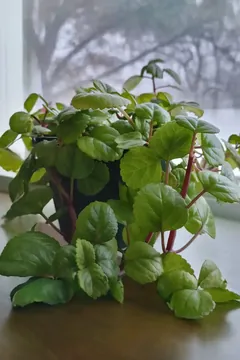
Swedish Ivy is a trailing evergreen perennial with glossy green foliage and softly scalloped edges. Flexible stems spread outward and spill over container rims, making it useful for hanging baskets and high shelves. Small purple flowers may appear during fall. This easy houseplant offers quick visual coverage without needing complex care. It suits growers who can provide bright filtered light and allow the soil to become nearly dry.

Shop this plant Full care guide →
Care notes

Swedish Ivy performs best in bright, indirect light of 150 to 250 μmol·m⁻²·s⁻¹. Steady filtered light helps keep the trailing growth full.

  • Keep the plant about 5 ft / 1.5m from a south, west or east-facing window.
  • Select a spot without a direct view of the sky. Use a sheer curtain when sunlight would otherwise strike the leaves.
  • Excess direct sun may scorch the glossy foliage. Too little light can weaken growth and reduce flowering.
  • A PAR meter or PAR meter app can read photosynthetically active radiation as PPFD (μmol·m⁻²·s⁻¹).

Swiss Cheese Plant

Monstera deliciosa

  • LightSwiss Cheese Plant prefers bright, indirect light between…
  • WaterWater Swiss Cheese Plant after the topsoil becomes dry to…
  • ToxicityToxic to pets
  • Mature sizeIndoors, it can reach 6 to 8 ft / 1

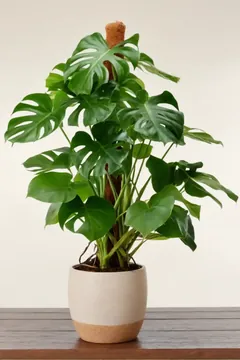
Swiss Cheese Plant is a tropical climbing vine with large, glossy green leaves. As the foliage matures, it forms deep splits and internal holes called fenestrations. A support allows the stems to climb and display larger leaves. This easy houseplant creates a bold indoor feature, but its eventual size needs planning. It suits a bright room where there is enough floor space and vertical support for mature growth.

Shop this plant Full care guide →
Care notes

Swiss Cheese Plant prefers bright, indirect light between 150 and 250 μmol·m⁻²·s⁻¹. Strong filtered exposure supports larger leaves and mature fenestrations.

  • Place it 5 ft / 1.5m from a south, west or east-facing window.
  • Choose a location where the foliage has no direct view of the sky. Filter unavoidable sun with a sheer curtain.
  • Direct sunlight may scorch broad leaves. Low light can slow growth and produce smaller, less divided foliage.
  • Use a PAR meter or PAR meter app to measure photosynthetically active radiation as PPFD (μmol·m⁻²·s⁻¹).

Swiss Cheese Vine

Monstera adansonii

  • LightSwiss Cheese Vine grows well under bright, indirect light…
  • WaterWater Swiss Cheese Vine when the topsoil feels dry. Check…
  • ToxicityToxic to pets
  • Mature sizeDepending on its support, it can grow 3…

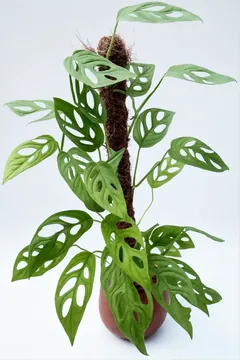
Swiss Cheese Vine is a tropical climber with green leaves pierced by natural holes. These fenestrations give the foliage its familiar Swiss cheese appearance. The ‘Narrow Form’ has smooth, elongated leaves and a lighter visual texture. Stems can climb a support or trail from a hanging container. This easy houseplant suits smaller rooms better than larger Monsteras, though it still needs bright filtered light and regular pruning or guidance.

Shop this plant Full care guide →
Care notes

Swiss Cheese Vine grows well under bright, indirect light measuring 150 to 250 μmol·m⁻²·s⁻¹. Balanced light keeps its vine leafy and supports attractive fenestrations.

  • Set the pot 5 ft / 1.5m from a south, west or east-facing window.
  • Avoid a position with a direct view of the sky. Soften unavoidable direct sun with a sheer curtain.
  • Intense sun can scorch the thin leaves, while weak light may create long bare spaces along the vine.
  • A PAR meter or PAR meter app can check photosynthetically active radiation as PPFD (μmol·m⁻²·s⁻¹).

Questions about plants that start with S

How many indoor plants start with S?

19, as listed on this page.

Is Sago Palm safe for cats and dogs?

Toxic to pets. The ASPCA lists Sago Palm as toxic to cats and dogs, and it is also toxic to people. Treat every accessible plant part as a poisoning risk. Keep the plant, fallen material, and any debris well beyond the reach of children and animals.

How much light does a Sago Palm need?

Sago Palm prefers bright indirect light at 150 to 250 μmol·m⁻²·s⁻¹ PPFD. Use a PAR meter or app if you need to confirm the level.Placement: set it 5 ft / 1.5 m from a south, west, or east-facing window. Keep the leaves from having a direct view of the sky. A sheer curtain can filter unavoidable sun.

How do I know which of these plants suits my room?

Sort by the facts strip: low-light plants for north-facing rooms, pet-safe names if you have a cat or dog, and the smaller species for shelves and desks.