This indoor plant humidity guide explains how moisture in the air and room temperature influence foliage, water use and general plant condition. It covers signs that may be associated with dry air, excess dampness, draughts or sudden temperature changes, while recognising that these symptoms can overlap with watering and root problems. Use the guide for diagnosis and practical adjustments, then check the associated plant page for species-specific needs. Boston Fern, Bird’s Nest Fern, Coffee Plant and Dwarf Date Palm may respond differently to the same room. Monitor the whole environment before adding humidity, and avoid creating persistently wet foliage or poorly ventilated conditions.
LightAreca Palm thrives in bright, indirect light measuring 150…
WaterWater Areca Palm when the topsoil feels dry. Check below…
ToxicitySafe for cats & dogs
Mature sizeIndoors, it can reach 6 to 10 feet / 1
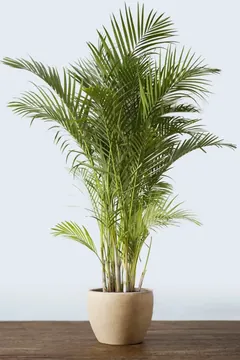
Areca Palm grows as a dense clump of smooth, ringed trunks with a golden-yellow tone. Long, arching fronds divide into narrow green leaflets, creating a soft, feathery look similar to bamboo. It can become a large floor plant and needs room to spread. This palm suits bright interiors where moisture remains steady. Dry air, excess salts, and poor drainage can damage the leaf tips.
LightBird’s Nest Fern prefers medium to bright indirect light at…
WaterKeep the mix evenly moist for Bird’s Nest Fern, but never…
ToxicitySafe for cats & dogs
Mature sizeThe fern may eventually stand 3 to 6 ft…
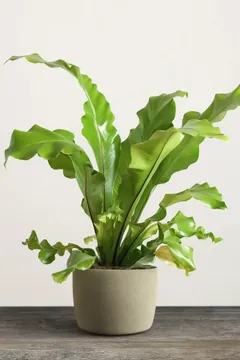
Bird’s Nest Fern forms a neat rosette of bright green, sword-shaped fronds. New growth rises from the central crown and gradually opens outward. Its smooth, undivided leaves give it a cleaner look than many feathery ferns. This plant suits shelves, tables, and shaded rooms with steady warmth. It is manageable for beginners who can provide consistent moisture without soaking the crown or roots.
LightBlack Bat Flower needs bright indirect light at 150 to 250…
WaterBlack Bat Flower needs consistently moist soil, but its…
ToxicityNot ASPCA-listed
Mature sizeIts eventual height is 2 to 3 ft / 60…
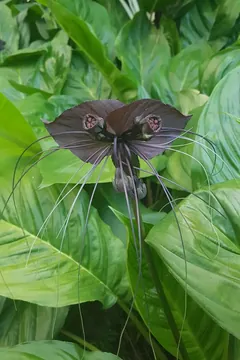
Black Bat Flower is an upright perennial grown for its extraordinary blooms. Broad, dark bracts spread like a bat’s wings around the true flowers, while long whisker-like structures add drama. Green foliage creates a lush base beneath the blooms. This tropical plant appeals to collectors seeking an unusual flowering specimen. It is more demanding than a typical houseplant and needs stable warmth, moisture, humidity, and filtered light.
LightBoston Fern needs bright indirect light at 150 to 250…
WaterKeep Boston Fern soil consistently moist without leaving it…
ToxicitySafe for cats & dogs
Mature sizeIts fronds can stand or trail 1 to 3 ft…
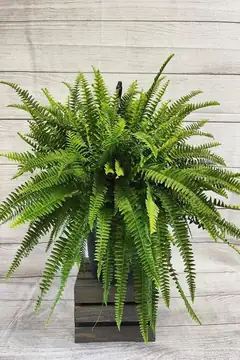
Boston Fern forms a lush fountain of arching fronds covered with many fine leaflets. Mature foliage spills over the pot, making this fern useful on plant stands or in hanging planters. Its soft green texture adds volume without a rigid outline. It suits growers who enjoy full, cascading foliage and can maintain consistent moisture, filtered light, and moderate to high humidity throughout the year.
LightChinese Fan Palm grows best in bright indirect light of 150…
WaterWater the Chinese Fan Palm when the topsoil feels dry…
ToxicitySafe for cats & dogs
Mature sizeIt may eventually reach 6 to 10 feet / 1
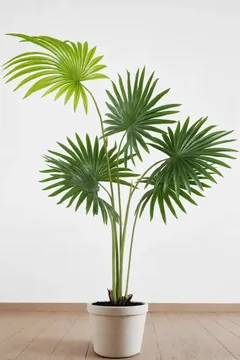
The Chinese Fan Palm has large, glossy fronds divided into broad fan-like sections. A mature frond can measure up to 2 ft / 60 cm across, creating a bold tropical outline. Indoors, it becomes a substantial floor plant without needing complicated care. It suits bright rooms with enough space for its widening crown and arching foliage.
LightClubmoss prefers low to medium indirect light of 50 to 150…
WaterKeep Clubmoss consistently moist without making the soil…
ToxicitySafe for cats & dogs
Mature sizeIt reaches 4 to 6 in / 10 to 15 cm…
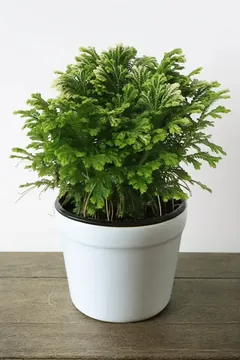
Clubmoss is a low-growing relative of ferns with tiny, bright green leaves that resemble moss. Its creeping stems knit together into dense mats, adding soft texture without much height. It fits humid terrariums, shallow containers, and mixed indoor displays. This easy plant is best for growers who can provide steady moisture and moderate humidity.
LightCoffee Plant needs bright indirect light of 150 to 250…
WaterKeep Coffee Plant soil consistently moist but not soggy…
ToxicityToxic to pets
Mature sizeIt can grow 3 to 6 ft / 1 to 2 m tall…
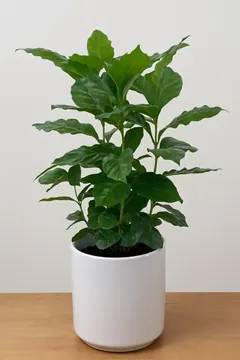
Coffee Plant is an evergreen shrub with glossy green leaves and a neat, upright form. Mature specimens may produce fragrant white flowers followed by red fruits called coffee cherries. It brings rich foliage and an unusual crop plant story indoors. Care is moderately demanding because the roots need steady moisture, while the leaves prefer bright filtered light and higher humidity.
LightCorn Plant prefers medium to bright indirect light of 150…
WaterWater Corn Plant when the topsoil feels dry. Check with a…
ToxicityToxic to pets
Mature sizeIt can reach 6 to 8 ft / 1
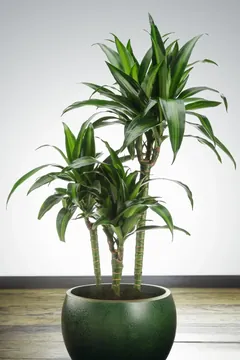
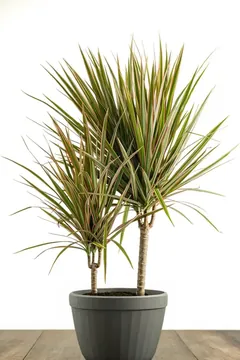
Corn Plant is an upright indoor tree with one or more sturdy trunks. Long, sword-shaped leaves emerge in broad tufts and resemble the foliage of corn stalks. Its strong vertical form works well as a floor plant in homes or offices. It is fairly forgiving, though careful watering and filtered light reduce brown tips and leaf loss.
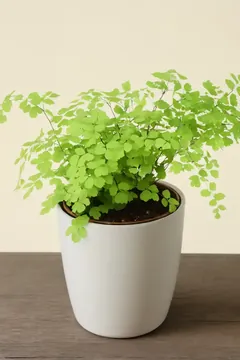
Delta Maidenhair Fern forms delicate triangular fronds carried on arching black stems. Its finely laced foliage creates a soft look while the plant remains naturally compact. It works well on a shaded stand, in a bright bathroom, or inside a humid plant display. Care is intermediate because the thin fronds react quickly to dry soil and dry air.
LightDragon Tree grows best in bright indirect light at 150 to…
WaterWater Dragon Tree when the top half of the soil has dried…
ToxicityToxic to pets
Mature sizeIts eventual spread is 2 to 3 ft / 0
Dragon Tree is an upright houseplant with one or several slender trunks. Narrow, sword-shaped leaves form tufts near the tops, and red edges add subtle color. Its tall, spare outline works well where floor space is limited. It is widely grown for its easy care, tree-like shape, and ability to serve as a strong vertical accent indoors.
LightDwarf Date Palm needs bright indirect light at 150 to 250…
WaterWater Dwarf Date Palm when the topsoil feels dry. Check the…
ToxicitySafe for cats & dogs
Mature sizeIndoors, it can reach 6 to 8 ft / 1
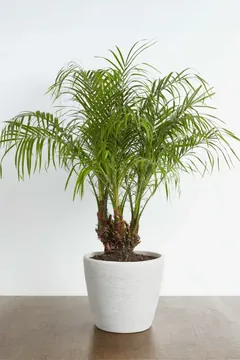
Dwarf Date Palm is a slow-growing palm with a slim trunk and a full crown of dark green fronds. Each frond arches outward and carries many fine, feathery leaflets. Its graceful shape brings a tropical look to bright indoor spaces. It suits growers who can provide steady moisture, filtered light, and enough room for the spreading crown.
LightDwarf Umbrella Tree grows best in bright indirect light at…
WaterWater Dwarf Umbrella Tree when the topsoil feels dry. Test…
ToxicityToxic to pets
Mature sizeIndoors, it can grow 4 to 8 ft / 1
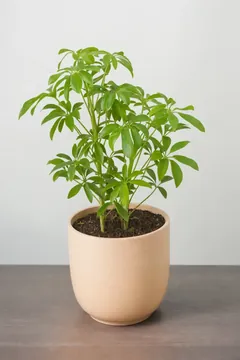
Dwarf Umbrella Tree is a glossy-leaved houseplant with leaflets that spread like the ribs of an umbrella. Its finger-like foliage forms a dense canopy above branching stems. It can grow as a bushy floor plant or be trained into a small tree shape. This plant suits growers who can offer bright filtered light and regular care without keeping the soil constantly wet.
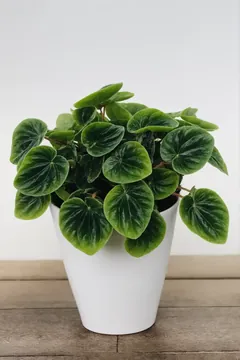
WaterWater Emerald Ripple Peperomia when the topsoil feels dry…
ToxicitySafe for cats & dogs
Mature sizeIts eventual height is 12 to 18 in / 30…
Emerald Ripple Peperomia is a compact evergreen perennial with heart-shaped leaves. Their deeply puckered surfaces catch the light and create a metallic sheen. The plant forms a tidy mound that fits easily on desks, shelves, and small tables. It is a good indoor choice for growers who want textured foliage without the space demands of a large floor plant.
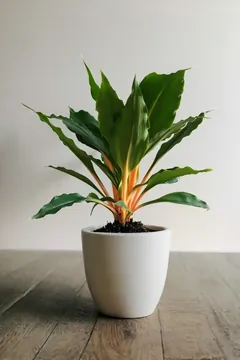
LightFire Flash Plant prefers bright indirect light at 150 to…
WaterWater Fire Flash Plant when the topsoil feels dry to the…
ToxicitySafe for cats & dogs
Mature sizeIt can grow 12 to 18 in / 30 to 45 cm…
Fire Flash Plant is a clumping houseplant with arching green leaves and vivid orange stems. Mature plants may send out long runners tipped with small plantlets called spiderettes. The contrast between green foliage and orange growth gives it a bright tropical look. Its manageable size and straightforward care suit shelves, stands, or tabletops with strong filtered light.
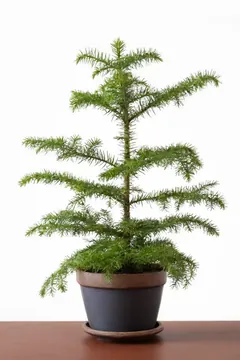
LightNorfolk Island Pine prefers bright, indirect light at 150…
WaterWater Norfolk Island Pine when the topsoil feels dry. Check…
ToxicitySafe for cats & dogs
Mature sizeIt may eventually reach 6 to 8 ft / 1
Norfolk Island Pine is an evergreen conifer with soft foliage arranged on evenly spaced, feathery branches. Its symmetrical tiers create the outline of a small traditional tree. Indoors, it is often used as a living Christmas tree alternative, but it can remain a year-round foliage plant. It suits bright rooms with moderate humidity and space for a broad, upright specimen as it matures.
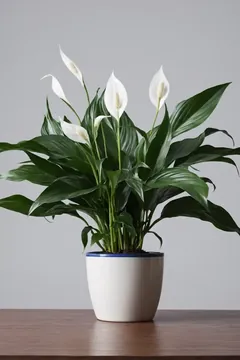
LightPeace Lily performs best in bright, indirect light…
WaterKeep Peace Lily soil consistently moist without making it…
ToxicityToxic to pets
Mature sizeDepending on the variety, it may grow 1…
The Peace Lily is a leafy tropical grown for glossy, dark green foliage and upright white spathes. These flower-like structures are modified leaves surrounding the true flowers. Its full shape works well on floors, desks, and shaded indoor displays. It is easy to maintain when moisture stays steady, though its toxicity makes careful placement important in homes with pets or young children.
LightPink Quill needs bright, indirect light between 150 and 250…
WaterPink Quill absorbs much of its water through its foliage…
ToxicitySafe for cats & dogs
Mature sizesee care guide
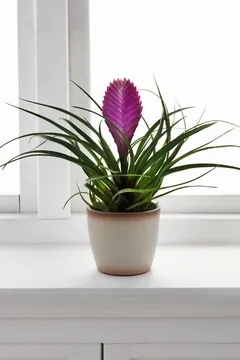
Pink Quill is a small evergreen air plant with arching green leaves and a flat, long-lasting pink bract. Its shape resembles a decorative quill. Violet flowers emerge from the bract during summer. The plant needs no conventional soil, so it works well on mounts, in coarse media, or as part of a compact indoor display with bright filtered light.
LightRattlesnake Plant grows best in bright indirect light at…
WaterKeep Rattlesnake Plant consistently moist without making…
ToxicitySafe for cats & dogs
Mature sizeAt full size, it stands about 1 to 2 ft…
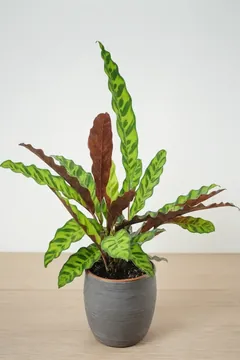
Rattlesnake Plant is an evergreen foliage plant with long, lance-shaped leaves. Dark green markings lie over an olive-toned surface, while each leaf has a vivid purple underside. The bold contrast makes it useful as a decorative floor or tabletop plant. It suits growers who can maintain steady moisture, warm temperatures, and raised humidity. Its care is less forgiving than many common houseplants.
LightSatin Pothos grows best in bright indirect light at 150 to…
WaterWater Satin Pothos when the topsoil feels dry. Check below…
ToxicityToxic to pets
Mature sizeIts climbing or trailing stems can…
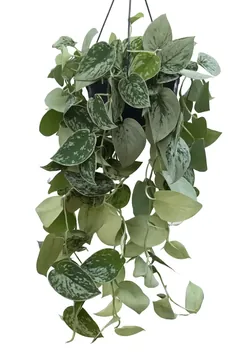
Satin Pothos is a trailing vine with soft-looking, heart-shaped leaves. The dark green foliage has a velvety surface and silvery-grey splashes that catch the light. Stems can trail from a shelf or hanging planter, or climb a support. It is easy to grow when drainage is good. This plant suits beginners seeking patterned foliage, but it must be kept away from children and pets because it is toxic.
LightSpider Plant prefers bright indirect light but tolerates…
WaterKeep Spider Plant consistently moist, but never leave the…
ToxicitySafe for cats & dogs
Mature sizeThe central foliage reaches about 1 to…
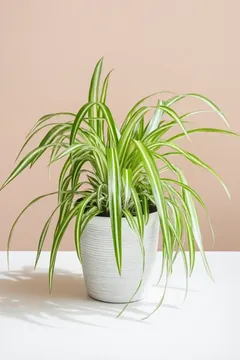
Spider Plant forms a fountain of narrow, arching leaves that are often striped with white. Mature plants send out long stems bearing small white flowers and young plantlets called spiderettes. These offsets make the plant especially useful in hanging baskets or on high shelves. It tolerates a range of indoor light and is easy to propagate, making it a practical choice for beginners and busy growers.
LightStrawberry Begonia prefers bright indirect light at 150 to…
WaterWater Strawberry Begonia when the top third of its soil has…
ToxicitySafe for cats & dogs
Mature sizeIts low foliage reaches 3 to 9 in / 7
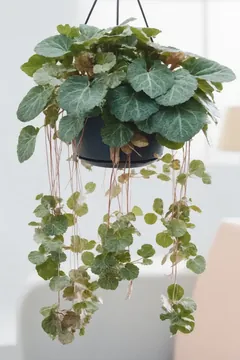
Strawberry Begonia forms low rosettes of rounded, hairy leaves. The upper surfaces are dark green with silver markings, while the undersides are reddish. Slender stems carry tiny white, star-shaped flowers in summer. The plant also produces trailing growth that works well near a pot edge. Despite its common name, it is not a true begonia. It suits growers who can balance filtered light with moderate, even moisture.
LightString of Bananas needs bright indirect light at 150 to 250…
WaterAllow the potting mix to dry completely before watering…
ToxicityToxic to pets
Mature sizeIts stems reach 1 to 2 ft / 30 to 60 cm…
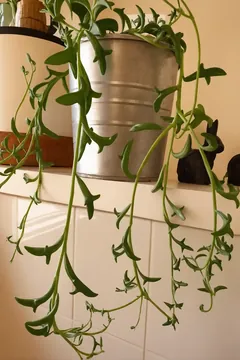
String of Bananas is a trailing succulent with glossy leaves shaped like tiny bananas. Its long tendrils cascade over shelves and hanging planters, creating a dense curtain of green growth. Small white or light pink flowers may appear in spring. The plant suits bright rooms and growers who prefer the soil to dry fully between waterings. Its toxicity requires placement beyond the reach of children and pets.
LightString of Buttons prefers bright indirect light but…
WaterAllow the soil to dry completely before watering String of…
ToxicityToxic to pets
Mature sizeIts stems can create an eventual height…
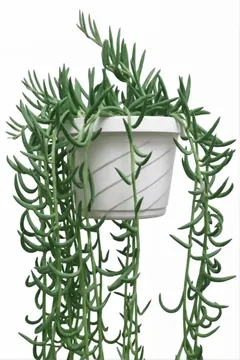
String of Buttons is a trailing succulent with plump blue-green leaves arranged closely along cascading stems. The small, rounded leaves resemble stacked buttons and create a geometric texture. It works well in hanging containers or near a shelf edge where the stems can spread. This easy plant suits growers who can offer filtered light and let the soil dry completely. Its toxicity makes careful indoor placement necessary.
LightString of Dolphins requires bright direct light at 250 to…
WaterAllow the potting mix to dry completely before watering…
ToxicityToxic to pets
Mature sizeIts trailing growth reaches an eventual…
String of Dolphins is a trailing succulent known for leaves shaped like leaping dolphins. The unusual leaves line long, hanging tendrils that show best from a shelf or suspended planter. Its sculptural form remains compact at the crown while the stems extend downward. This easy plant suits very bright indoor spaces and growers who prefer infrequent watering. Keep it away from children and pets because the foliage is toxic.
How can I tell if indoor air is too dry for a plant?
Crisp edges, curling or rapid drying may suggest dry air, but they can also result from watering, salts or root trouble. Compare the symptoms with the plant’s care needs.
How can I increase humidity around a plant?
Group compatible plants or use a room humidifier while maintaining airflow. Monitor conditions so nearby surfaces and foliage do not remain persistently wet.
Does misting solve low humidity?
Misting gives only temporary surface moisture and may not meaningfully change the room’s humidity. Wet leaves can also create problems for some plants.
What should I do if humidity is too high?
Improve airflow, reduce unnecessary moisture sources and allow wet surfaces to dry. Check the plant and potting mix for signs of rot or fungal trouble.
How do temperature changes affect indoor plants?
Cold draughts, hot air and sudden shifts can stress foliage and change how quickly a pot dries. Keep sensitive plants away from unstable positions.
How can I prevent humidity and temperature stress?
Place plants away from direct heating, cooling vents and cold draughts, then monitor seasonal changes. Match each species to the room rather than forcing one environment to suit every plant.
Care data checked 25 September 2026 · Dany · A-Z Plants