15 indoor plants begin with M: Macho Fern, Madagascar Palm, Maidenhair Fern, Majesty Palm, Marble Peperomia, Marble Queen Pothos. Every entry below shows the facts you came for first: light, water, toxicity and mature size, with the full care guide one click away. 5 of them are safe for cats and dogs.
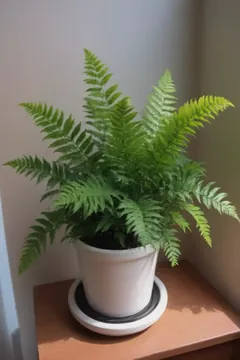
Nephrolepis biserrata
- LightMacho Fern prefers medium to bright indirect light at 150…
- WaterKeep Macho Fern soil consistently moist, but do not let it…
- ToxicityNot ASPCA-listed
- Mature sizeIts eventual height is 3 to 4 feet / 0
Macho Fern is a large, clumping fern with long, bright green fronds that curve downward as they mature. Its bold size creates a fuller display than compact indoor ferns. It works best where the arching foliage has room to spread without being brushed. This easy fern suits growers who can provide steady moisture, indirect light, and space for a broad mature plant.
Shop this plant
Full care guide →
Care notes
Macho Fern prefers medium to bright indirect light at 150 to 200 μmol·m⁻²·s⁻¹.
- Set the plant 6 ft / 1.8 m from a south, west, or east-facing window.
- Keep the fronds from having a clear view of the sky. Filter unavoidable direct sun through a sheer curtain.
- Excess light can scorch the broad fronds. Too little light may weaken growth and thin the clump.
- Check photosynthetically active radiation with a PAR meter or PAR meter app, measured as PPFD (μmol·m⁻²·s⁻¹).
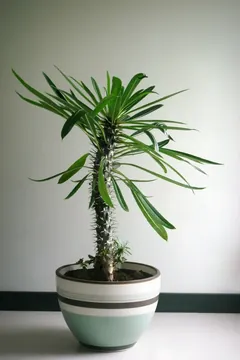
Pachypodium lamerei
- LightMadagascar Palm needs bright, direct light at 250 to 1000…
- WaterAllow Madagascar Palm soil to dry completely before…
- ToxicityNot ASPCA-listed
- Mature sizeIts mature spread remains much narrower…
Madagascar Palm is a succulent rather than a true palm. It develops a thick, swollen caudex that forms its trunk, with sharp spines along the surface. A crown of dark green leaves grows at the top. Its dramatic upright shape suits a bright floor position, but it needs careful handling, strong direct light, and room to reach a substantial indoor height.
Shop this plant
Full care guide →
Care notes
Madagascar Palm needs bright, direct light at 250 to 1000 μmol·m⁻²·s⁻¹ and at least 6+ hours of direct sunlight each day.
- Place it within 2 ft / 60 cm of a south or southwest-facing window.
- Give the plant an unobstructed view of the sky for maximum light.
- Consider grow lights during wintertime when daylight hours are shorter. Too little light can weaken or stretch growth.
- A PAR meter or PAR meter app can measure photosynthetically active radiation as PPFD (μmol·m⁻²·s⁻¹).
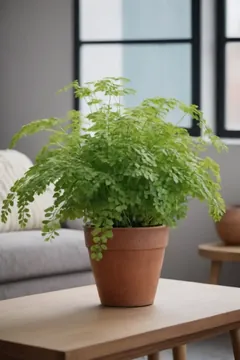
Adiantum
- LightMaidenhair Fern prefers bright, indirect light measuring…
- WaterKeep Maidenhair Fern soil consistently moist but never…
- ToxicityNot ASPCA-listed
- Mature size5 ft / 30 to 75 cm tall
Maidenhair Fern has airy, fan-shaped fronds held on thin, black, wiry stems. The delicate foliage creates a soft texture but reacts quickly when the root zone becomes dry. It favors warm rooms with humid air and steady moisture. This intermediate plant suits attentive growers who can monitor its pot often and protect the fragile fronds from direct sunlight and dry drafts.
Shop this plant
Full care guide →
Care notes
Maidenhair Fern prefers bright, indirect light measuring 150 to 250 μmol·m⁻²·s⁻¹. It tolerates lower light, but growth may slow.
- Position it 5 ft / 1.5 m from a south, west, or east-facing window.
- Do not give the fern a direct view of the sky. Use a sheer curtain if sunlight would otherwise touch the fronds.
- Excess sun can scorch the delicate foliage. Deep shade produces slower, weaker growth.
- A PAR meter or PAR meter app can measure photosynthetically active radiation as PPFD (μmol·m⁻²·s⁻¹).
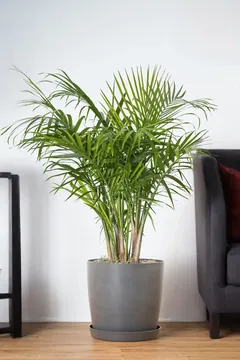
Ravenea rivularis
- LightMajesty Palm grows best in bright, indirect light at 150 to…
- WaterKeep Majesty Palm soil consistently moist without making it…
- ToxicityNot ASPCA-listed
- Mature sizeIts broad fronds may create a mature…
Majesty Palm is a tropical palm with large, feathery fronds that form a graceful indoor canopy. It comes from Madagascar, where it naturally grows near riverbanks and across swampy lowlands. That background explains its preference for steady moisture and humid air. This intermediate plant suits a roomy, bright position and a grower prepared to monitor both watering and humidity closely.
Shop this plant
Full care guide →
Care notes
Majesty Palm grows best in bright, indirect light at 150 to 250 μmol·m⁻²·s⁻¹.
- Position it 5 ft / 1.5 m from a south, west, or east-facing window.
- Avoid giving the fronds an unobstructed view of the sky. Filter unavoidable direct sunlight through a sheer curtain.
- Harsh sun can scorch the leaflets. Too little light may weaken growth and reduce the palm's full shape.
- Measure photosynthetically active radiation with a PAR meter or PAR meter app, using PPFD (μmol·m⁻²·s⁻¹).
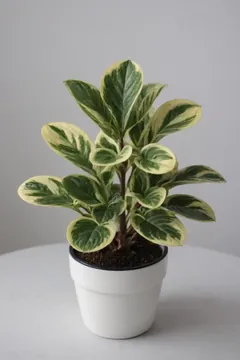
Peperomia obtusifolia
- LightMarble Peperomia grows best in bright, indirect light…
- WaterLet the potting mix become almost dry before watering…
- ToxicitySafe for cats & dogs
- Mature sizeExpect an eventual height of 8 to 12 in…
Marble Peperomia is a compact, semi-succulent houseplant with thick, rounded leaves. Its glossy foliage blends green and white in soft marbled patterns. The plant stays small, so it fits shelves, desks, and tight rooms. It also stores some moisture in its leaves, which makes occasional missed watering less serious. Grow it for easy care, neat growth, and year-round color.
Shop this plant
Full care guide →
Care notes
Marble Peperomia grows best in bright, indirect light measuring 150 to 250 μmol·m⁻²·s⁻¹ as PPFD. Lower light is tolerated, but the pale leaf pattern may become less distinct.
- Placement: set it about 5 ft / 1.5 m from a south, west, or east-facing window.
- Direct sun: keep the plant from having a clear view of the sky. Add a sheer curtain if sunlight reaches the leaves.
- Low light: growth slows and new foliage may contain more green.
- A PAR meter or PAR meter app can measure photosynthetically active radiation as PPFD (μmol·m⁻²·s⁻¹).
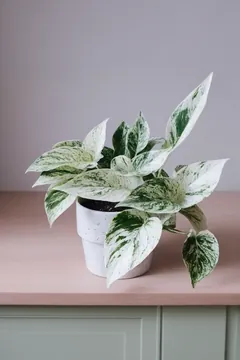
Epipremnum aureum
- LightMarble Queen Pothos needs medium to bright indirect light…
- WaterWater Marble Queen Pothos after the topsoil becomes dry to…
- ToxicityToxic to pets
- Mature sizeIts eventual spread is 2 to 3 ft / 0
Marble Queen Pothos is a trailing or climbing houseplant with heart-shaped foliage. Each leaf carries a different blend of green and creamy white marbling. Its long vines suit hanging baskets, shelves, or a climbing support. It tolerates normal indoor conditions, though the pale areas need useful light. Choose it for bold variegation and flexible growth, but keep it away from children and pets.
Shop this plant
Full care guide →
Care notes
Marble Queen Pothos needs medium to bright indirect light at 150 to 200 μmol·m⁻²·s⁻¹ as PPFD. Good light helps maintain its white and green marbling.
- Placement: keep it about 6 ft / 1.8 m from a south, west, or east-facing window.
- Direct sun: do not give the leaves an open view of the sky. Filter unavoidable sun with a sheer curtain.
- Too much light: pale leaf sections may scorch or bleach.
- Too little light: growth slows and new leaves may become greener. A PAR meter or PAR meter app can measure photosynthetically active radiation as PPFD (μmol·m⁻²·s⁻¹).
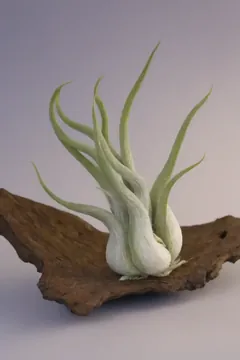
Tillandsia caput-medusae
- LightMedusa’s Head prefers bright, indirect light at 150 to 250…
- WaterMedusa’s Head absorbs moisture through its leaves rather…
- ToxicitySafe for cats & dogs
- Mature sizeA mature plant is usually 6 to 8 in /…
Medusa’s Head is a soil-free air plant with silvery-green leaves that curl and twist outward. Their snake-like form gives the plant its memorable common name. A vivid pink flower can appear during summer. Its small size works well on mounted displays, shelves, or open terrariums. It is easy to place, but regular soaking and good air movement remain important for healthy growth.
Shop this plant
Full care guide →
Care notes
Medusa’s Head prefers bright, indirect light at 150 to 250 μmol·m⁻²·s⁻¹ as PPFD. Useful light supports firm growth and summer flowering without scorching its silvery foliage.
- Placement: position it about 5 ft / 1.5 m from a south, west, or east-facing window.
- Direct sun: avoid an open view of the sky. Use a sheer curtain when sunlight would otherwise strike the leaves.
- Too much light: foliage may bleach, dry, or develop scorched areas.
- Too little light: growth and flowering may slow. A PAR meter or PAR meter app can measure photosynthetically active radiation as PPFD (μmol·m⁻²·s⁻¹).
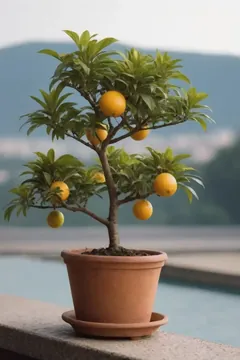
Citrus
- LightMeyer Lemon Tree needs bright direct light at 250 to 1000…
- WaterWater a Meyer Lemon Tree when the topsoil feels dry. Check…
- ToxicityToxic to pets
- Mature sizeIts eventual indoor height is 5 to 10…
Meyer Lemon Tree is a compact evergreen citrus with glossy dark green leaves and some spines. Fragrant white blossoms can develop into rounded orange-yellow fruit. Its lemons taste sweeter and less acidic than common lemons. The tree can grow in a large indoor container, but fruiting demands abundant direct sun. It suits growers who can provide a bright window, seasonal feeding, and room for a small tree.
Shop this plant
Full care guide →
Care notes
Meyer Lemon Tree needs bright direct light at 250 to 1000 μmol·m⁻²·s⁻¹ as PPFD. It requires 6+ hours of direct sunlight each day for strong growth and fruit production.
- Placement: keep it within 2 ft / 60 cm of a south or southwest-facing window.
- Give the tree an unobstructed view of the sky so it receives maximum available light.
- Too little light: flowering and fruiting decline, while growth may become weak.
- Consider grow lights during wintertime when daylight hours are shorter. A PAR meter or PAR meter app can measure photosynthetically active radiation as PPFD (μmol·m⁻²·s⁻¹).
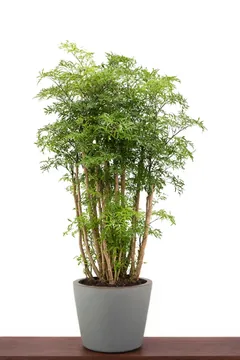
Polyscias fruticosa
- LightMing Aralia grows best in bright, indirect light at 150 to…
- WaterKeep Ming Aralia’s soil consistently moist, but never…
- ToxicityToxic to pets
- Mature sizeIndoors, it may reach 6 to 8 ft / 1
Ming Aralia is an elegant indoor tree with glossy leaves divided into many fern-like segments. Its narrow trunk often twists and may be sold braided for added structure. The airy foliage gives rooms a soft, finely textured look without forming a broad canopy. It needs steadier moisture and humidity than many easy houseplants, so it best suits growers who check soil regularly and avoid sudden changes.
Shop this plant
Full care guide →
Care notes
Ming Aralia grows best in bright, indirect light at 150 to 250 μmol·m⁻²·s⁻¹ as PPFD. Stable light helps it hold its finely divided foliage.
- Placement: set it about 5 ft / 1.5 m from a south, west, or east-facing window.
- Direct sun: prevent an open view of the sky. Filter unavoidable sunlight with a sheer curtain.
- Too much light: leaves may bleach or scorch, especially after a sudden move.
- Too little light: stems stretch and foliage may thin. A PAR meter or PAR meter app can measure photosynthetically active radiation as PPFD (μmol·m⁻²·s⁻¹).
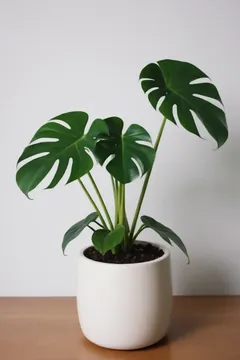
Rhaphidophora tetrasperma
- LightMini Monstera prefers bright, indirect light measuring 150…
- WaterWater Mini Monstera when the topsoil feels dry. Check the…
- ToxicityToxic to pets
- Mature sizeSupported vines can grow 6 to 10 ft / 1
Mini Monstera is a fast-climbing tropical vine with glossy green leaves and deep natural splits. Its foliage resembles a smaller Monstera deliciosa, though the plants are not the same species. The vine benefits from a pole, trellis, or other vertical support. It suits growers who want a dramatic climber without the huge leaves of a mature Swiss Cheese Plant, but its sap and foliage are toxic.
Shop this plant
Full care guide →
Care notes
Mini Monstera prefers bright, indirect light measuring 150 to 250 μmol·m⁻²·s⁻¹ as PPFD. Good light supports larger leaves and stronger natural splits.
- Placement: position it around 5 ft / 1.5 m from a south, west, or east-facing window.
- Direct sun: avoid a clear view of the sky. Use a sheer curtain if sunlight would fall directly on the leaves.
- Too much light: glossy foliage may bleach or develop scorched patches.
- Too little light: stems stretch and leaves may stay small or less divided. A PAR meter or PAR meter app can measure photosynthetically active radiation as PPFD (μmol·m⁻²·s⁻¹).
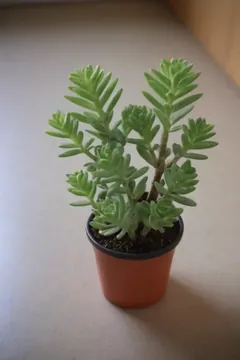
Crassula tetragona
- LightMiniature Pine Tree grows best in bright, indirect light at…
- WaterAllow the soil around Miniature Pine Tree to dry out…
- ToxicitySafe for cats & dogs
- Mature sizeIt can reach 3 feet / 1 m tall and…
Miniature Pine Tree is a succulent rather than a true pine. Its fleshy, triangular leaves resemble short pine needles, while older stems turn woody and form a small tree-like shape. Mature plants may produce small white or cream flowers during spring and summer. It suits sunny indoor displays and growers who prefer letting soil dry fully between waterings. Pruning can help preserve its branching form.
Shop this plant
Full care guide →
Care notes
Miniature Pine Tree grows best in bright, indirect light at 150 to 250 μmol·m⁻²·s⁻¹ as PPFD. Strong filtered light supports dense, tree-like growth.
- Placement: keep it around 5 ft / 1.5 m from a south, west, or east-facing window.
- Direct sun: avoid an open view of the sky unless the plant has been carefully acclimated. Filter unavoidable sunlight with a sheer curtain.
- Too much light: leaves may bleach, scorch, or develop dry marks.
- Too little light: stems stretch and the compact pine-like shape weakens. A PAR meter or PAR meter app can measure photosynthetically active radiation as PPFD (μmol·m⁻²·s⁻¹).
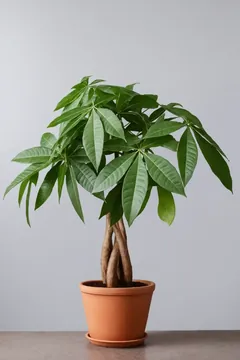
Pachira aquatica
- LightMoney Tree prefers bright, indirect light at 150 to 250…
- WaterWater Money Tree once the topsoil feels dry. Check the soil…
- ToxicitySafe for cats & dogs
- Mature sizeIt eventually reaches 3 to 6 ft / 0
Money Tree is a small indoor tree with glossy leaves divided into hand-like clusters. Several young trunks are often braided to create the familiar decorative form. The plant is linked with prosperity and good luck, making it a common gift. It grows well in bright filtered light and fits floor pots or large tabletops while young. Choose it for tropical foliage, an upright shape, and manageable indoor care.
Shop this plant
Full care guide →
Care notes
Money Tree prefers bright, indirect light at 150 to 250 μmol·m⁻²·s⁻¹ as PPFD. Even lighting helps the canopy grow without leaning strongly toward a window.
- Placement: set it about 5 ft / 1.5 m from a south, west, or east-facing window.
- Direct sun: avoid giving the foliage a clear view of the sky. Add a sheer curtain if sunlight strikes the leaves.
- Too much light: leaves may fade, bleach, or develop scorched areas.
- Too little light: stems stretch and leaf growth slows. A PAR meter or PAR meter app can measure photosynthetically active radiation as PPFD (μmol·m⁻²·s⁻¹).
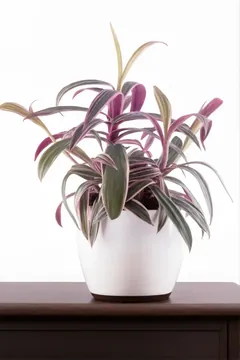
Tradescantia spathacea
- LightMoses in the Cradle prefers bright, indirect light at 150…
- WaterKeep the soil around Moses in the Cradle consistently moist…
- ToxicityToxic to pets
- Mature sizesee care guide
Moses in the Cradle is an evergreen perennial that forms upright rosettes of long, sword-shaped leaves. Their upper surfaces are glossy green, while the undersides are rich purple. Small white flowers with three petals appear inside purple, boat-like bracts among the foliage. The plant offers strong color without relying on blooms and stays compact enough for windowsills, tables, or mixed indoor displays.
Shop this plant
Full care guide →
Care notes
Moses in the Cradle prefers bright, indirect light at 150 to 250 μmol·m⁻²·s⁻¹ as PPFD. Useful filtered light helps maintain the green and purple leaf color.
- Placement: keep it around 5 ft / 1.5 m from a south, west, or east-facing window.
- Direct sun: prevent an open view of the sky. Filter unavoidable sunlight with a sheer curtain.
- Too much light: leaves may bleach or develop dry, scorched patches.
- Too little light: growth slows and the purple coloring may weaken. A PAR meter or PAR meter app can measure photosynthetically active radiation as PPFD (μmol·m⁻²·s⁻¹).
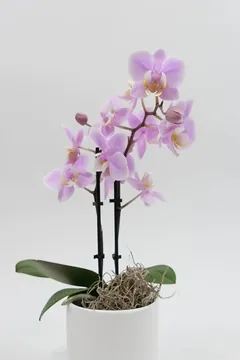
Phalaenopsis
- LightMoth Orchid grows best in bright, indirect light at 150 to…
- WaterWater Moth Orchid when the top of the medium feels dry or…
- ToxicitySafe for cats & dogs
- Mature sizeA mature plant stands about 1 to 2 ft /…
Moth Orchid is a popular flowering orchid with broad, leathery dark green leaves. Long arching spikes carry elegant blooms in many colors and patterns. The flowers often remain attractive for an extended period, making this orchid a common indoor display plant. It suits growers who can provide filtered light, an airy bark mix, and careful watering based on root color rather than a rigid calendar.
Shop this plant
Full care guide →
Care notes
Moth Orchid grows best in bright, indirect light at 150 to 250 μmol·m⁻²·s⁻¹ as PPFD. Filtered light supports flowering while protecting its broad leaves.
- Placement: position it about 5 ft / 1.5 m from a south, west, or east-facing window.
- Direct sun: do not give the leaves a clear view of the sky. Use a sheer curtain if sunlight would reach them.
- Too much light: foliage may turn pale or develop scorched spots.
- Too little light: leaves may become very dark and flowering may stop. A PAR meter or PAR meter app can measure photosynthetically active radiation as PPFD (μmol·m⁻²·s⁻¹).
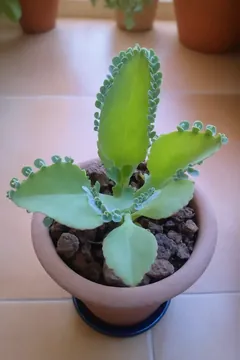
Kalanchoe daigremontiana
- LightMother of Thousands prefers bright, indirect light at 150…
- WaterAllow the soil around Mother of Thousands to dry out…
- ToxicityToxic to pets
- Mature sizeIt can reach 2 to 3 ft / 60 to 90 cm…
Mother of Thousands is a succulent with upright, lance-shaped leaves and scalloped edges. Tiny plantlets form along those edges and drop readily, allowing the plant to spread into nearby pots. The leaves are emerald green, and small grayish-lavender flowers may appear in winter. It is easy to propagate and tolerate dry soil, but its toxicity and prolific plantlets require careful placement around children, pets, and other containers.
Shop this plant
Full care guide →
Care notes
Mother of Thousands prefers bright, indirect light at 150 to 250 μmol·m⁻²·s⁻¹ as PPFD. Strong filtered light supports compact growth without burning the succulent leaves.
- Placement: set it about 5 ft / 1.5 m from a south, west, or east-facing window.
- Direct sun: avoid an open view of the sky. Use a sheer curtain if direct sunlight cannot be avoided.
- Too much light: leaves may bleach, scorch, or develop dry brown patches.
- Too little light: the stem stretches and plantlet production may weaken. A PAR meter or PAR meter app can measure photosynthetically active radiation as PPFD (μmol·m⁻²·s⁻¹).
Questions about plants that start with M
How many indoor plants start with M?
15, as listed on this page.
Is Macho Fern safe for cats and dogs?
Not ASPCA-listed. The supplied safety information describes Macho Fern as non-toxic to people and pets. No ASPCA listing is provided here, so no ASPCA safety ruling can be stated. It cannot be labelled pet safe on the basis of this information alone.
How much light does a Macho Fern need?
Macho Fern prefers medium to bright indirect light at 150 to 200 μmol·m⁻²·s⁻¹.Set the plant 6 ft / 1.8 m from a south, west, or east-facing window. Keep the fronds from having a clear view of the sky. Filter unavoidable direct sun through a sheer curtain. Excess light can scorch the broad fronds. To
How do I know which of these plants suits my room?
Sort by the facts strip: low-light plants for north-facing rooms, pet-safe names if you have a cat or dog, and the smaller species for shelves and desks.